BCCI Faces Pressure: Laxman Sivaramakrishnan Speaks Out on Racial Abuse in Cricket
Contents
A Brewing Storm in Indian Cricket
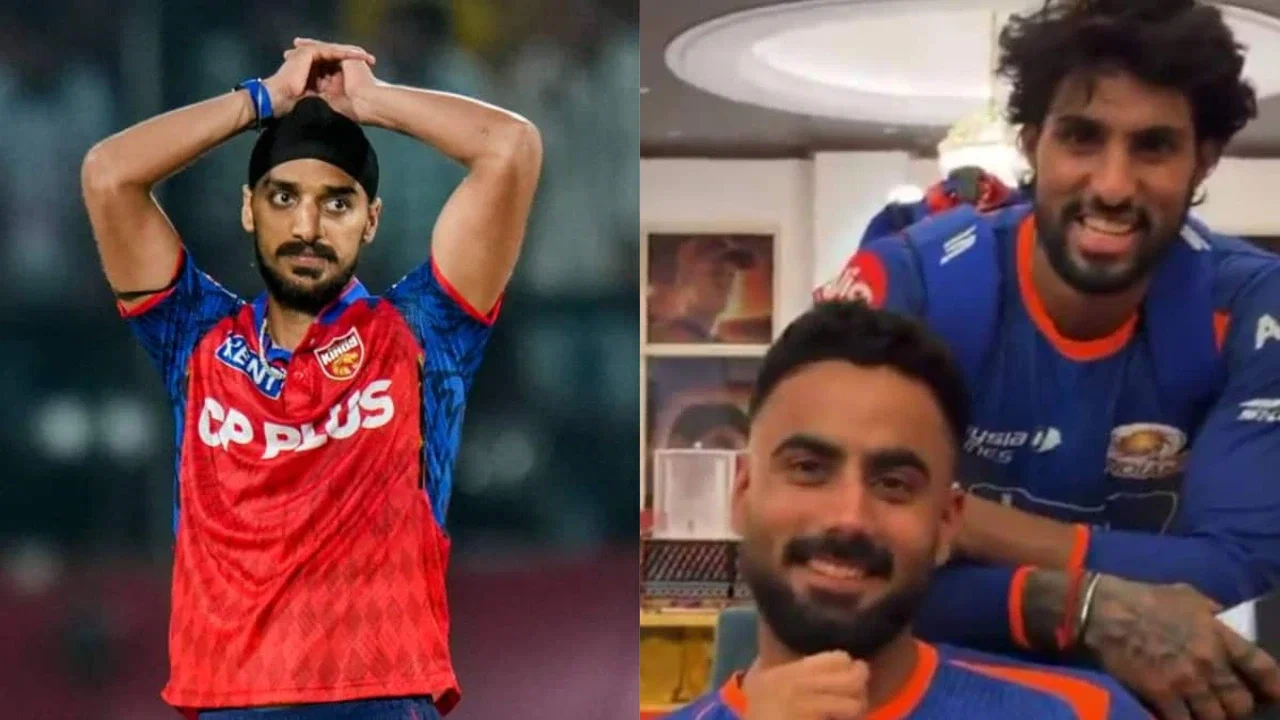
The landscape of Indian cricket, usually dominated by discussions of technique and tactical acumen, has been overshadowed by a significant controversy. Punjab Kings (PBKS) fast bowler Arshdeep Singh has found himself at the center of a firestorm following a social media interaction that has drawn widespread condemnation. The incident, which took place ahead of the IPL 2026 clash between the Punjab Kings and the Mumbai Indians in Dharamshala, has ignited a much-needed conversation regarding racial insensitivity within the professional game.
The Viral Incident
The controversy stems from a Snapchat live session recorded by Arshdeep Singh at a team hotel. In the footage, which quickly circulated across digital platforms, Arshdeep was seen in the company of Mumbai Indians youngster Naman Dhir. As Tilak Varma walked past the pair, Arshdeep engaged in a series of remarks directed at his teammate. The content of these comments, which specifically targeted Varma’s skin color, has been labeled by many observers as derogatory and insensitive.
Specifically, Arshdeep was heard addressing Varma as ‘oye andhere’—a comment directly referencing his complexion. The exchange continued with Arshdeep suggesting that the Mumbai Indians star should apply sunscreen to avoid getting darker. While Varma attempted to diffuse the tension with a smile and a lighthearted mention of his skincare routine, the incident left many fans and commentators deeply uncomfortable with the normalization of such remarks.
Laxman Sivaramakrishnan’s Bold Stand
The situation escalated significantly when former Indian spinner Laxman Sivaramakrishnan intervened. Known for his outspoken nature, the former cricketer took to social media to express his frustration, emphasizing that young players like Varma often feel compelled to remain silent to protect their budding careers. Sivaramakrishnan pointed out that the fear of jeopardizing their spots in the national setup prevents many players from calling out behavior they find demeaning.
Sivaramakrishnan’s stance is not merely a reaction to the current incident; it is a challenge to the administrative body of the sport. He has explicitly warned the Board of Control for Cricket in India (BCCI) that if they choose to conduct a serious investigation into this matter, he is prepared to go even further. The former spinner threatened to reveal the names of prominent former Indian cricketers who he claims racially abused him during his own playing career, provided the BCCI takes tangible action against the current offender.
The Call for Accountability
The intensity of Sivaramakrishnan’s response highlights a deep-seated grievance regarding the culture within Indian cricket. In his social media posts, he stated, ‘I told you guys. Tilak can’t say anything now as he is in the early part of his career. But the BCCI, with this proof, can take action. If BCCI takes action, I will name people who racially abused me if BCCI takes action against them.’ This ultimatum places the BCCI in a precarious position, forcing them to address whether they are willing to confront past and present issues of discrimination.
Furthermore, Sivaramakrishnan has advocated for strict disciplinary measures, suggesting that Arshdeep should face a ban for the remainder of the season and that his pay should be adjusted on a pro-rata basis. His argument is that players must face professional consequences that ‘hit them where it hurts the most’ to deter future instances of such behavior.
Reflecting on the Culture of the Game
The debate surrounding this incident is multifaceted. On one hand, some may argue that the interaction was intended as ‘banter’ between teammates. However, critics, including Sivaramakrishnan, argue that such behavior has no place in a professional environment, regardless of the relationship between the individuals involved. The platform provided by social media only amplifies the impact of these comments, normalizing skin-tone based jokes for a massive audience of impressionable fans.
As the BCCI weighs its next steps, the pressure to maintain a professional and inclusive environment in Indian cricket has never been higher. This incident serves as a stark reminder that the sport is not immune to societal issues and that leadership, both on and off the field, is essential in shaping a respectful culture for the next generation of athletes. Whether the governing body chooses to investigate or remains silent will likely define the tone for discourse on race and professionalism in Indian cricket for years to come.