BCB Legal Crisis: Tamim Iqbal-Led Ad Hoc Committee Under Scrutiny
Contents
A Turbulent Transition in Bangladesh Cricket
While the national side of Bangladesh continues to display competitive spirit on the international stage, particularly against Pakistan, the administrative corridors of the Bangladesh Cricket Board (BCB) have become the center of a significant legal controversy. The governing body, currently operating under an ad hoc committee led by former national captain Tamim Iqbal, is now facing a formal challenge within the High Court Division of the Supreme Court of Bangladesh.
The Nature of the Legal Challenge
A group consisting of 12 prominent cricketing figures, including former players and high-ranking officials, has filed a writ petition seeking to invalidate the recent administrative changes at the helm of the BCB. The petitioners are calling into question the constitutional validity of the dissolution of the previously elected executive committee and the subsequent, rapid installation of an ad hoc governing body.
The legal challenge is particularly focused on the replacement of former BCB President Aminul Islam Bulbul. His removal, which occurred amidst a period of widespread instability within the board, has been a flashpoint for debate among stakeholders. The petitioners contend that the shift from a democratically elected body to an appointed ad hoc committee undermines the foundational democratic principles of cricket administration in the country.
The Rise of the Ad Hoc Committee
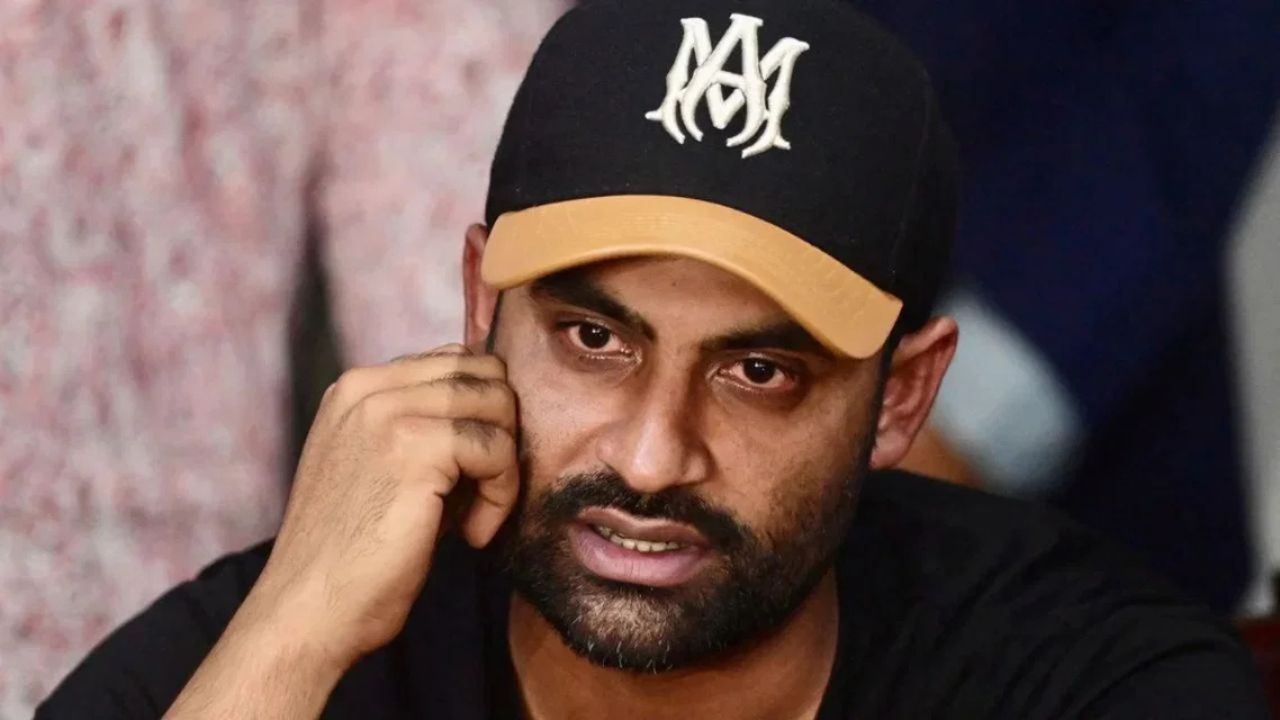
In the wake of Aminul Islam Bulbul’s departure, the BCB appointed Tamim Iqbal to lead the transition. At 37, the former captain became the youngest individual to lead the board. Alongside Iqbal, the committee features several notable figures, including Minhajul Abedin, Athar Ali Khan, Rashna Imam, Mirza Yeasir Abbas, Syed Ibrahim Ahmed, Israfil Khasru, Tanjil Chowdhury, Salman Ispahani, Rafiqul Islam, and Fahim Sinha. While supporters of the move argue that this change was necessary to stabilize a board in crisis, the legal petitioners maintain that the process bypassed established statutes and governance norms.
The Road to the Courtroom
The case has been formally assigned to a bench comprised of Justice Fatema Najib and Justice AFM Saiful Karim. In a significant development, the court has granted permission for the petition to proceed. Legal observers anticipate that the matter will move toward a formal hearing within the coming week, potentially setting a precedent for how sports federations in Bangladesh handle internal restructuring and leadership changes.
Contextualizing the Crisis
The turmoil surrounding the BCB is not a sudden occurrence but rather the culmination of months of internal friction. The removal of Aminul Islam Bulbul followed a series of resignations that hit the board in early April. Furthermore, the board had already been under scrutiny by the National Sports Council (NSC) due to allegations surrounding the integrity of the previous year’s board elections.
Added to this administrative pressure were external complications, including reports of a diplomatic and logistical fallout regarding the 2026 T20 World Cup, involving both the BCCI and the ICC. These factors, combined with the earlier resignation of director Ishtiaque Sadeque in January, created a climate of uncertainty that ultimately led to the dissolution of the elected committee.
What Lies Ahead
As the legal proceedings gain momentum, the cricketing fraternity in Bangladesh watches with bated breath. The primary concern among fans and analysts alike is whether this legal battle will distract from the momentum built by the current national team. The High Court’s impending decision could force a significant restructuring of the BCB, potentially necessitating fresh elections or a complete overhaul of the current interim management structure. For now, the sport remains caught between its on-field triumphs and a complex, intensifying legal battle that will define the future of its governing body.