IPL 2026 Final Behind Closed Doors? Energy Crisis Impacts Tournament Schedule
The Growing Uncertainty Surrounding the IPL 2026 Final
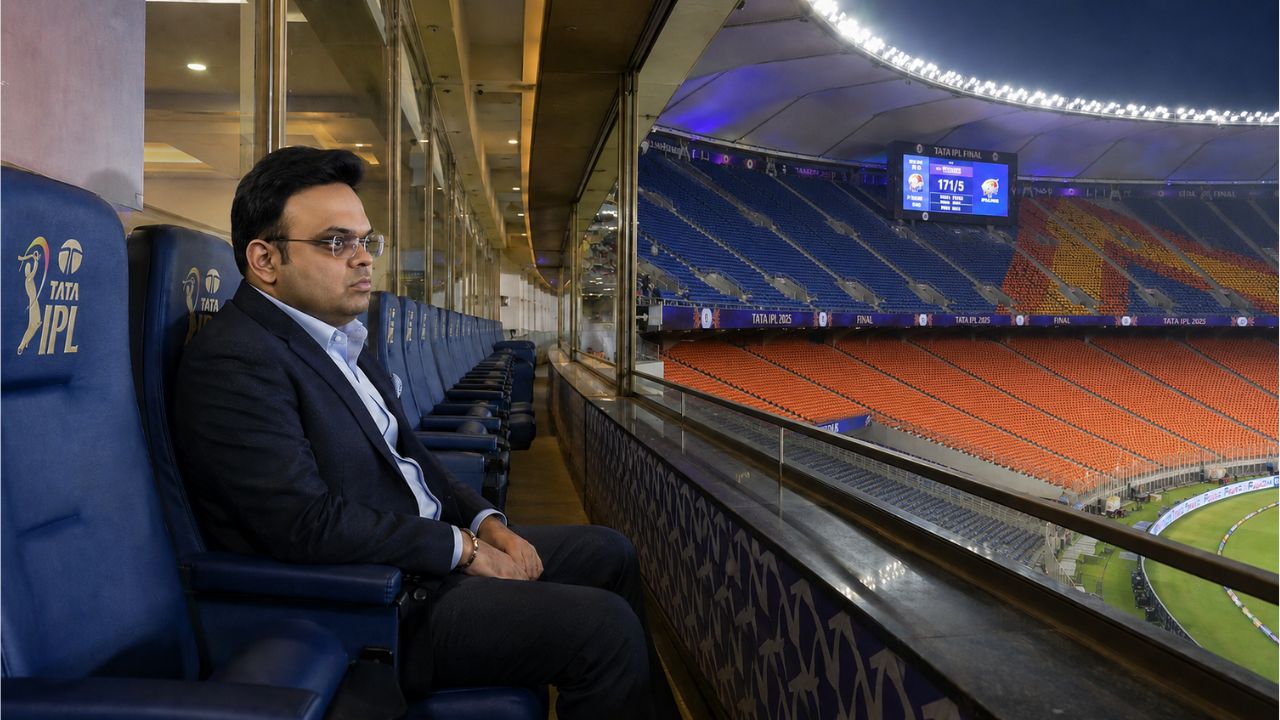
The Indian Premier League (IPL) stands as a monumental pillar of Indian sport and commerce. However, the 2026 edition of the tournament is currently facing a cloud of uncertainty. With the season nearing its climax, reports have surfaced suggesting that the highly anticipated final at the Narendra Modi Stadium in Ahmedabad may be held behind closed doors. This drastic measure is being considered as part of a broader national effort to address emerging geopolitical tensions and critical energy conservation goals.

Government Directives and the BCCI Response
The possibility of restricted access to matches stems from a push for national fuel and energy conservation. Following an appeal by Prime Minister Narendra Modi on May 10, 2026, regarding the necessity of reducing non-essential travel and optimizing fuel consumption, stakeholders have begun to scrutinize the logistical footprint of the IPL. The tournament, which involves constant travel for teams and thousands of spectators, is being viewed as a potential area where significant energy savings could be achieved.
IPL Chairperson Arun Dhumal has addressed these concerns with a professional stance, emphasizing that the Board of Control for Cricket in India (BCCI) remains fully committed to national interests. While the BCCI has yet to receive official communication regarding a change in operations, Dhumal made it clear that the board will follow any instructions issued by the government. “Independent agencies might have their views on certain things, but we are accountable to the Government of India,” Dhumal stated in a recent interview.
The Argument for Energy Conservation
The pressure on the IPL schedule is largely driven by initiatives from groups like the CTI (Confederation of All India Traders). CTI Chairman Brijesh Goyal has formally urged Sports Minister Mansukh Mandaviya to reconsider the current structure of the league. The core argument rests on the massive volume of fuel required to sustain the current tournament format, which involves extensive air and road travel across the country.
Goyal pointed out that during the COVID-19 pandemic, the BCCI successfully transitioned to restricted venues and crowd-less environments to ensure the tournament’s safety and sustainability. He suggests that adopting similar measures—such as limiting venues and restricting spectator access—could save millions of litres of fuel and reduce the national burden during a time of crisis.
Precedents and Future Outlook
The situation mirrors challenges faced by other nations, most notably Pakistan, where severe fuel crises forced the Pakistan Super League to restrict matches to a limited number of venues and hold events behind closed doors. The potential for the IPL to follow a similar path highlights the gravity of the current situation. Should such directives be implemented, it would mark a significant shift in how the league operates, moving from a public spectacle to a broadcast-only model for the final stages of the competition.
At this stage, the situation remains fluid. Fans and stakeholders are waiting for an official word from the Indian government and the BCCI hierarchy. While the prospect of empty stands at the Narendra Modi Stadium would undoubtedly be a disappointment for cricket enthusiasts, the priority appears to be the broader national interest. The IPL organizers are expected to monitor the situation closely as the group stage concludes, ensuring that any decision made aligns with the national conservation goals while maintaining the integrity of the tournament.
What Comes Next?
As the tournament heads toward the playoffs, the question of whether the final will be played before a roaring crowd or in an empty stadium remains unanswered. The IPL has proven to be resilient in the face of adversity, and its ability to adapt has been a hallmark of its success. Whether it involves rescheduling, venue shifts, or restricted attendance, the league’s ability to balance its massive commercial appeal with its duty to national directives will be tested in the coming weeks. For now, the sporting world watches closely, awaiting clarity on the future of the 2026 IPL final.