Will Angkrish Raghuvanshi Play in KKR’s Next Match? IPL Concussion Rules Explained
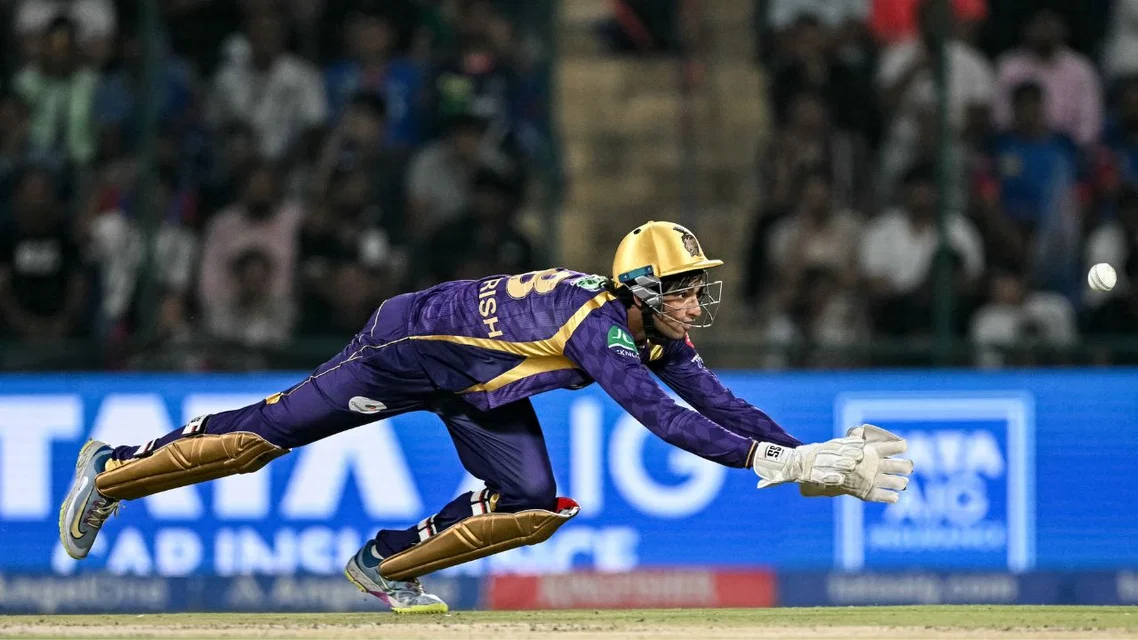
The Uncertainty Surrounding Angkrish Raghuvanshi
The Kolkata Knight Riders (KKR) camp is currently under the spotlight as fans and pundits alike speculate on the status of rising star Angkrish Raghuvanshi. Following a harrowing on-field incident during a high-stakes IPL 2026 encounter against the Mumbai Indians at Eden Gardens, the young keeper-batter’s participation in the upcoming match against the Delhi Capitals remains a subject of intense debate. As KKR pushes for a strong finish in the playoff race, the availability of a key performer like Raghuvanshi is paramount.
The Incident at Eden Gardens
The incident occurred in the 11th over of the clash against Mumbai Indians. As Tilak Varma launched a high ball into the air, both Raghuvanshi and spinner Varun Chakaravarthy converged to take the catch. Despite clear communication, the two players collided mid-air near the stumps, resulting in a heavy impact. While Raghuvanshi initially attempted to stay on the field, he soon began reporting symptoms including neck pain, dizziness, and a headache. By the 14th over, it was evident he could not continue, and he was replaced behind the stumps by Tejasvi Singh.
KKR assistant coach Shane Watson addressed the situation during the post-match press conference, confirming that the medical team identified symptoms consistent with a concussion. This confirmation naturally sparked concerns about the mandatory recovery periods often associated with head injuries in professional cricket.
Comparing ICC Protocols and IPL Regulations
The primary point of confusion for many supporters stems from the discrepancy between international standards and specific tournament regulations. Under ICC protocols, a player diagnosed with a concussion is typically required to observe a mandatory rest period—often cited as seven days—to ensure that the brain has sufficient time to recover before returning to the high-intensity environment of a match. If these global standards were to be enforced strictly for the IPL, Raghuvanshi would almost certainly be ruled out of the May 24, 2026, fixture against Delhi.
However, the Indian Premier League operates under its own set of specific playing conditions. A deep dive into the IPL 2026 handbook reveals a different approach to the aftermath of a concussion. Unlike the rigid seven-day mandate found in ICC tournament structures, the current IPL regulations focus heavily on the immediate management of the injury during the match itself. The protocol provides a framework for identifying and substituting a concussed player, but it does not explicitly mandate a specific recovery window for subsequent matches.
What This Means for KKR
The absence of a set ‘stand-down’ period in the IPL 2026 playing conditions means that the decision regarding Raghuvanshi’s availability lies in the hands of the franchise’s medical staff and the match officials. Rather than being automatically sidelined by a regulation, Raghuvanshi’s return will be dictated by his clinical progress and his ability to pass the internal concussion assessment protocols established by the league.
For the coaching staff, this creates a situation where they must balance the player’s long-term health with the short-term necessity of a win against the Delhi Capitals. The medical team will be monitoring his symptoms closely over the coming hours. If he remains symptom-free and clears the necessary cognitive tests, he may well be deemed fit for selection. Conversely, if there is even the slightest risk of recurring symptoms, the franchise is expected to prioritize his welfare over the immediate needs of the scorecard.
Conclusion
As the cricketing world waits for an official update from the KKR medical board, one thing is clear: the safety of the player is the ultimate priority. While the IPL 2026 rules offer a pathway for a quicker return than those governed by the ICC, the nature of concussion injuries is inherently unpredictable. Fans are advised to keep a close watch on the official team sheet and press communications leading up to the Delhi Capitals match. Regardless of the outcome, the incident serves as a stark reminder of the physical intensity and risks inherent in modern T20 cricket.