“We Won, And That Was The Start Of Modern Cricket” – Lalit Modi opens up on IPL’ – Lalit Modi Reveals How BCCI Power Struggles Sparked the IPL Revolution
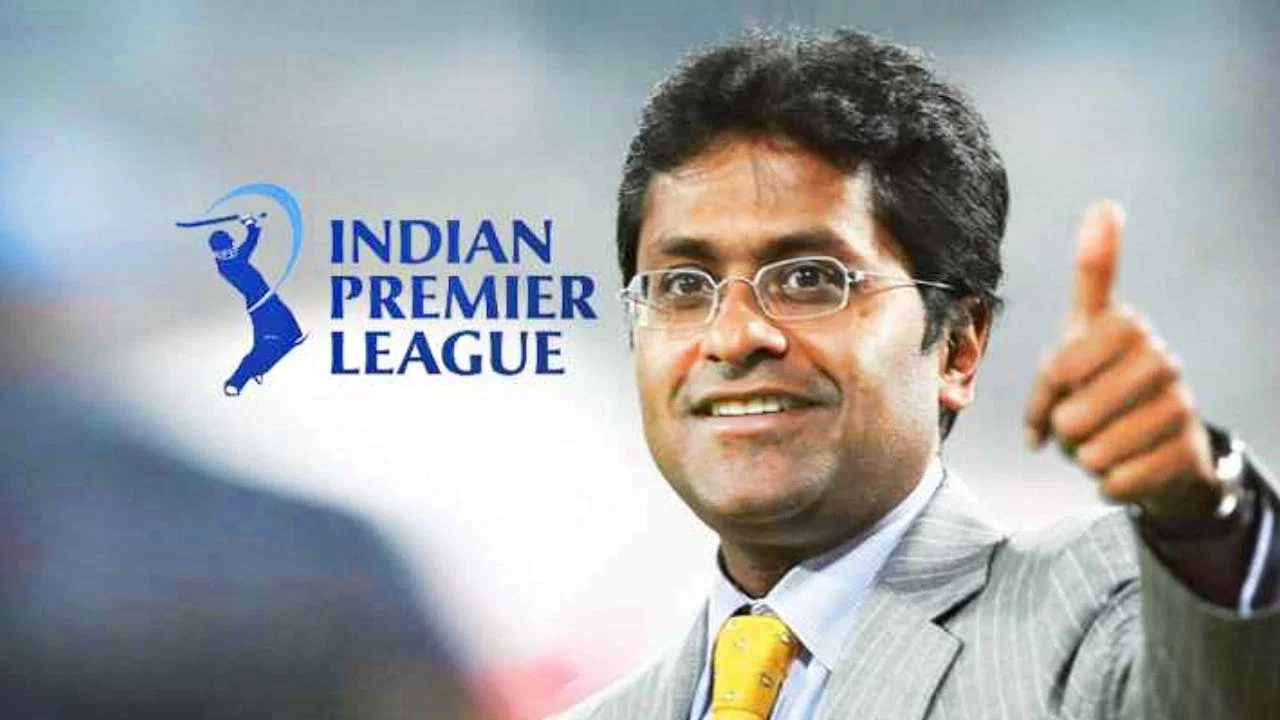
The Architect of Modern Cricket
The Indian Premier League (IPL) stands today as a global sporting powerhouse, a multi-billion-dollar entity that redefined the economics of cricket. However, its origins are rooted in a volatile period of Indian cricket administration during the mid-2000s. Lalit Modi, the visionary behind the league, has recently shed light on the intense political upheaval that served as the catalyst for this transformation.
The Quest for BCCI Control
Lalit Modi’s ambition to establish a franchise-based T20 league initially met resistance from the BCCI establishment. To bring his vision to life, he realized that a fundamental change in leadership was necessary. Consequently, he threw his weight behind Sharad Pawar in a bid to displace the entrenched leadership. Modi recalls the 2005 election as a turning point, defined by intense internal rivalries and unexpected outcomes.
The electoral landscape was brutal. Modi noted that the internal friction within regional associations led to shifting loyalties, ultimately resulting in a narrow loss by a single vote. “We convinced Sharad Pawar to fight for the post. We go for election, confident of winning and we lose by one vote. Because there’s a fight. Within our own people,” Modi explained. This defeat, he claimed, was fueled by aggressive horse-trading and shifting alliances that only intensified in the following year.
The Supreme Court Intervention
Recognizing that the standard electoral process was compromised by political maneuvering, Modi sought legal recourse to ensure fairness. In a move that caught his opponents off-guard, he secured a Supreme Court order to have the election supervised by retired judges. This tactical masterstroke changed the course of the meeting in Kolkata on November 29, 2005.
Recalling the dramatic scenes, Modi described the moment the Supreme Court-appointed judges entered the room: “Mr Dalmia is sitting at the table, and he was going to disqualify quite a few of us. I have the election. At the right time, it’s all about timing. I present the Supreme Court order. Uproar. Close the doors, shut the doors down. Police bandobast had to be done.” The presence of the judges effectively neutralized the influence of the opposition, forcing a change in the established order.
Tactical Warfare: Flights and Alliances
The battle for the BCCI was not fought in boardrooms alone. It involved logistical warfare, with both camps employing aggressive tactics to secure their numbers. Modi admitted that the environment was hyper-competitive, with members being diverted and kept isolated in hotels to prevent poaching. “People are coming in from different parts of India for the meeting. Members of the BCCI. There are people being held up in their hotel rooms. People whose flights are being diverted. And I must say, we diverted a few flights also of their members,” he confessed.
The Birth of a Revolution
The successful election of the Pawar-led faction on November 29, 2005, signaled the end of an era and the beginning of a modern chapter for the sport. With the board under new management, the path was cleared for the innovations Modi had envisioned. By blending the successful franchise models of American sports with the massive, untapped enthusiasm for cricket in India, the IPL was born.
Modi remains firm in his belief that this period of conflict was essential. According to him, the transition from a traditional structure to one based on merit and commercial growth allowed the game to evolve. “And that’s how we won. And that’s how we came into power on November 29th. And you see, that was the beginning and the start of the revolution of modern cricket today,” he concluded. This period remains a testament to how high-stakes administration can drastically alter the trajectory of a global sport, moving it toward the spectacle that fans enjoy today.