Ravindra Jadeja At No.4? The Tactical Thinking Behind RR’s Surprise IPL Playoffs – Ravindra Jadeja at No. 4: Decoding RR’s Tactical Gamble vs GT
An Unexpected Promotion in the IPL Playoffs
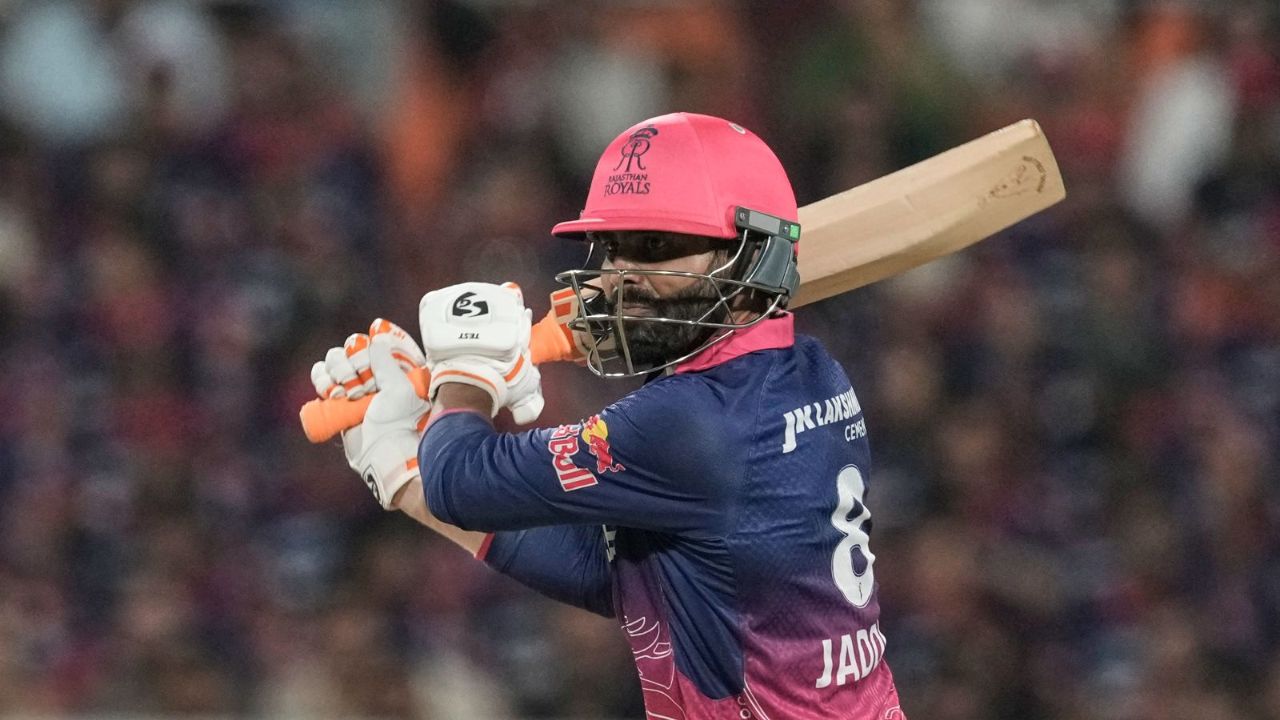
In the high-pressure environment of the IPL 2026 Qualifier 2, Rajasthan Royals opted for a move that sent shockwaves through the stadium and social media alike. With the tournament on the line, the team management promoted Ravindra Jadeja to the No. 4 position within the powerplay, leapfrogging captain Riyan Parag. To the casual observer, this appeared to be an impulsive decision or perhaps a sign of desperation. However, when peeling back the layers of match context, player versatility, and tactical planning, the decision reveals itself as a deeply calculated maneuver.
The Statistical Case for Jadeja at No. 4
Critics of the decision often overlook the raw data supporting Jadeja’s utility in the middle order. Before this match, Jadeja had amassed 414 runs in 15 innings at the No. 4 position in the IPL. An average of 41.4 combined with a strike rate of 140.82 paints a picture of a batter who is not merely a utility player but a genuine threat in the middle stages of an innings. His high score of 77 not out off 45 balls in that same role serves as a testament to his ability to anchor an innings while maintaining aggressive intent.
By utilizing Jadeja as a ‘floater,’ Rajasthan Royals demonstrated an understanding of modern T20 trends. Much like how other successful franchises have employed tactical flexibility to handle early-wickets, RR utilized Jadeja to stabilize a potential collapse, ensuring the team did not sacrifice momentum during the crucial early exchanges.
Navigating the Powerplay Crisis
The match situation against Gujarat Titans was dire from the start. With both Yashasvi Jaiswal and Dhruv Jurel removed within the opening two overs, the batting unit was facing the most potent new-ball attack in the tournament. The pressure to consolidate was immense, and sending a struggling or less experienced player into such an environment could have proven fatal to their hopes of reaching the final.
Furthermore, there was the critical factor of team health. Riyan Parag, while leading the side, has been managing fitness concerns throughout the latter stages of the tournament. Exposing a captain who is not at 100% physical capacity to the toughest phase of the game—the hard new ball moving under the lights—would have been a strategic error. By holding Parag back, the management allowed him to enter the crease once the ball had lost some of its initial shine and the opposition’s primary strike bowlers had finished their opening spells.
Strategic Intent Behind the Chaos
The reasoning for this promotion goes beyond just protecting a player. Parag’s primary strength lies in his ability to manipulate the field during the middle overs, rotate the strike, and take on spin bowlers. Rajasthan Royals likely identified that the best way to utilize their captain was to bridge the gap between the powerplay and the middle-overs using Jadeja’s calm demeanor. Jadeja, a veteran of numerous high-stakes encounters, provided the stability necessary to steer the ship during the turbulence of the first six overs.
Ultimately, while the move was unconventional, it was far from random. It highlighted a level of tactical maturity within the Rajasthan Royals camp, prioritizing the health of their leader and the statistical advantage of their most versatile assets. Whether such gambles pay off in the final scorecard or not, they represent a nuanced approach to the complexities of modern T20 cricket, where every ball presents a new tactical puzzle to solve.
In the world of the IPL, where margins between victory and defeat are often razor-thin, such decisions often separate the teams that merely participate from those that contend for the title. By looking past the surprise of the moment, it becomes clear that Rajasthan Royals were playing a much longer game than the audience initially perceived.