Shaheen Afridi on Pakistan quicks losing speed: ‘Machines deteriorate with time’ – Shaheen Afridi Addresses Pakistan Fast Bowling Pace Concerns
The Quest for Lost Pace: A National Concern
In the high-stakes world of international cricket, Pakistan has long been synonymous with raw, express pace. From the legendary eras of Wasim and Waqar to more recent times, the sight of a Pakistani quick rattling the stumps at speeds exceeding 145kph was a staple of the sport. However, a cloud of concern has gathered over the current bowling attack. As the team prepares for the upcoming ODI series, the topic of dwindling speeds has taken center stage, prompting the National Cricket Academy (NCA) to formulate a long-term plan to address the issue.
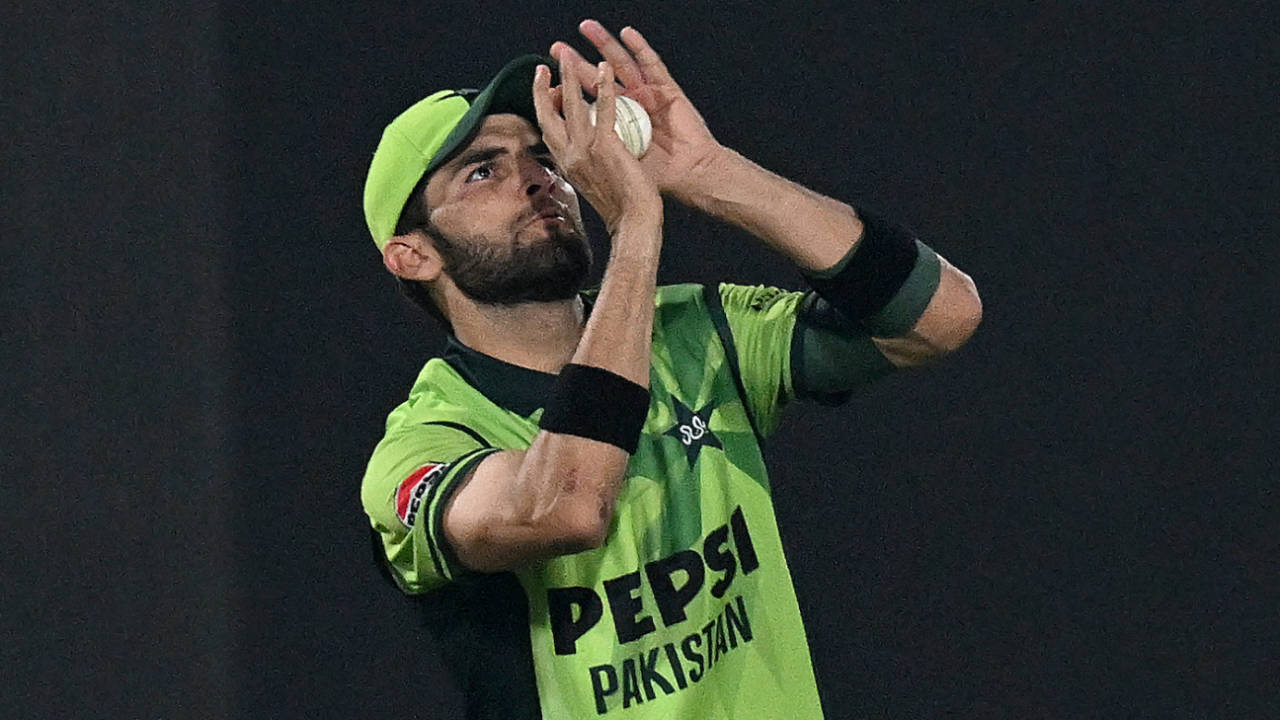
ODI captain Shaheen Shah Afridi, speaking on the eve of the series opener in Rawalpindi, acknowledged the scrutiny surrounding the current crop of fast bowlers. The drop in velocity has not just been a talking point for fans and pundits; it has directly impacted the team’s ability to take 20 wickets in Test matches, a struggle that was painfully evident during the recent 0-2 series defeat against Bangladesh.
The Reality of Wear and Tear
Perhaps the most candid insight came from Shaheen himself, who drew a pragmatic comparison regarding the human body. When asked about the drop in pace, he remarked, “It is a norm that machines deteriorate with time. We are trying to recharge ourselves.” This perspective highlights the heavy workload carried by Pakistan’s frontline bowlers. Unlike many international counterparts, Pakistan’s premier quicks are often expected to be available for all formats, leaving little room for the recovery and conditioning required to maintain peak physical performance.
Shaheen further elaborated, “You can put more pace in the ball when your body has had rest, but our bodies remain always at Pakistan’s disposal. All the bowlers are thinking about how they can increase their speeds.” The NCA is reportedly working on load management strategies to ensure that the bowlers remain fresh, as the current cycle of constant travel and match play has left little time for the rigorous strength and conditioning training needed to sustain high-velocity bowling.
The Statistical Decline and Recovery
The decline in speed has affected Shaheen personally. Since his comeback from a significant knee injury in 2022, the tall left-armer has found it difficult to consistently clock 140kph. The impact on his effectiveness has been stark: having taken 99 wickets at an impressive average of 24.86 before his injury, his subsequent 27 wickets have come at an average exceeding 40. This drop in form led to his omission from the Sylhet Test and the second Rawalpindi Test in 2024, a reality check for a bowler once considered the spearhead of the attack.
When questioned about the contrast between Pakistan’s speed and the performance of young Bangladesh seamer Nahid Rana—who consistently hit the high-140s—Shaheen urged patience. He noted that Rana is still in the early stages of his international journey and has not yet faced the accumulated physical fatigue that veteran bowlers deal with.
Navigating Selection and the Road to the World Cup
Beyond the bowling concerns, the focus has shifted toward the selection policy for the upcoming ODI matches. With the ODI World Cup on the horizon in 16 months, the selectors are prioritizing the expansion of the player pool. This has led to the inclusion of promising youngsters like Rohail Nazir, Arafat Minhas, and Ahmed Danyal, while senior stalwarts like Babar Azam, Naseem Shah, and Shadab Khan have returned to the fold.
A major talking point has been the omission of Mohammad Rizwan, one of Pakistan’s most consistent batters in the current cycle. Despite his impressive average of 42.42, his recent struggles in the Test arena have cast doubt on his immediate future. Addressing these concerns, Shaheen emphasized that an omission is not an end. “I would suggest you not to jump to conclusions,” he stated. “Babar and I were also dropped from the team but we are back. I have spoken to Rizwan about it.”
The strategy remains clear: the team management is looking at a broader horizon. By rotating players and giving opportunities to the next generation, Pakistan aims to build a robust and versatile squad capable of challenging for the World Cup title. As the series in Lahore approaches, the focus for the fans remains: can the pacers find their rhythm again, and will these new experiments yield a championship-winning core?