Michael Vaughan fires back at critics: “People tried to cancel me, but it hasn’t” – A Candid Look
Reflecting on a Storied Career
Michael Vaughan remains one of the most polarizing and respected figures in English cricket. Often cited as one of the greatest captains to lead the Three Lions, his legacy is firmly cemented in history, most notably for his role in the historic 2005 Ashes triumph. That series victory did more than just secure a trophy; it ended an 18-year drought of Ashes success, sparking a newfound passion for the sport across the nation. Yet, as Vaughan looks back on his journey, his perspective remains uniquely grounded in the reality of the game.
The Reality of Captaincy
Despite his accolades, Vaughan’s playing career was marked by its own set of contradictions. While he amassed an impressive 5,719 runs across 82 Test matches, including 18 centuries, he famously never notched a white-ball international century. When discussing his tenure as captain, which began after he took the reins from Nasser Hussain, Vaughan offers a surprisingly relaxed take on leadership.
“At times, I was fine, a great captain. But I didn’t take it too seriously,” Vaughan admitted. “That’s a good thing to realize that it’s just a game, but knowing it’s also not.” He emphasized that a captain’s true challenge is managing perceptions within the team. He noted that while a captain must project calm and authority to ensure the squad does not feel terrified, the internal reality is often significantly more stressful than it appears to the public eye.
Interestingly, Vaughan revealed that his leadership style often relied on intuition. Whether participating in team discussions or consulting with selectors, he admitted to “winging it” on many occasions, relying on his instincts rather than rigid, over-calculated planning.
The Joy of Domestic Cricket
While international cricket brings the highest honors, many English players maintain a deep-seated affection for the domestic circuit. For Vaughan, the memories of his time with Yorkshire in the 1990s hold a special place. He described the “county treadmill”—the grind of traveling and playing alongside teammates—as perhaps the happiest period of his professional life. While he acknowledged the immense pressure that comes with the “ultimate bait” of being the England captain, he maintains that his adoration for the game was purest during those formative years.
Life After the Pitch
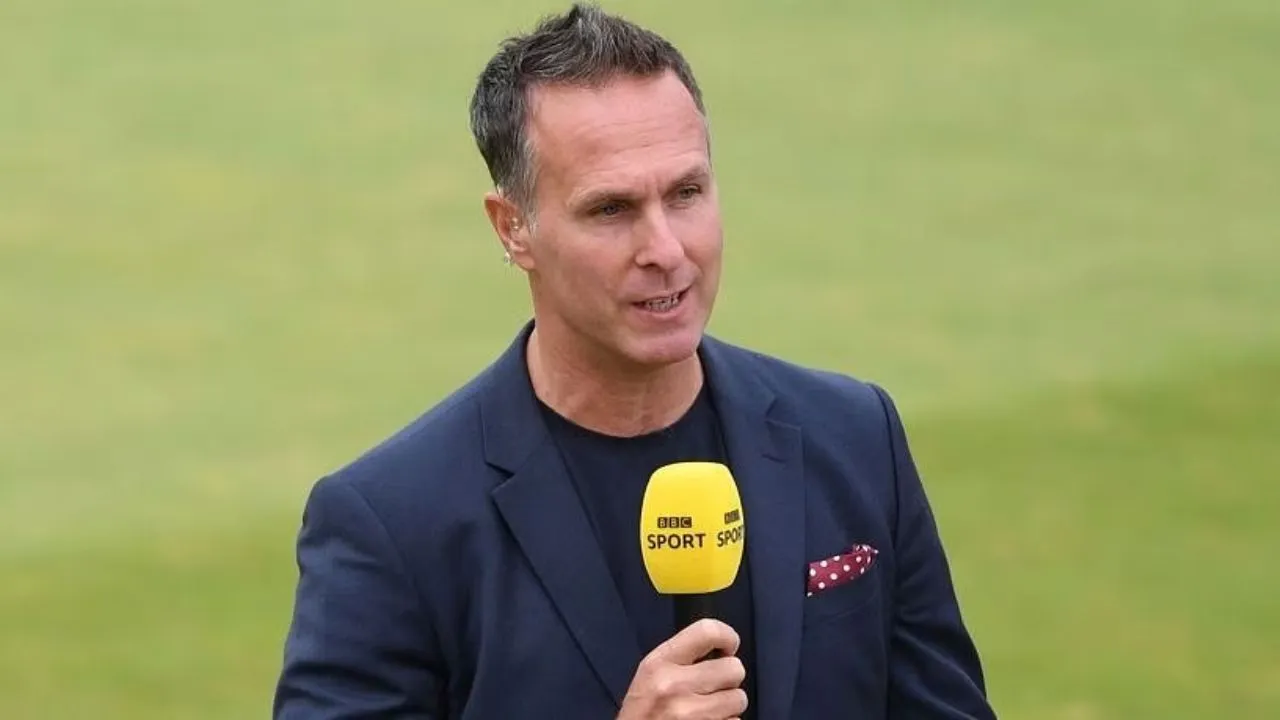
Vaughan’s transition from the field to the commentary box has been seamless, spanning 17 years—a duration nearly equal to his 19-year playing career. As he reflects on his longevity in the media spotlight, he remains defiant against those who have questioned his position. Addressing the turbulence of public opinion, he noted, “I’m only two years away from equalling my 19 years as a player. People still see me as a player. They tried to cancel me, but it hasn’t happened yet.”
This resilience defines his approach to the modern era of the sport. Vaughan recognizes that today’s cricketers face a different set of challenges compared to his generation. With the rise of social media, the scrutiny on players is relentless. However, he acknowledges that the increased rewards available to modern athletes represent a fair trade-off, allowing them to “take the rough with the smooth.”
A Legacy of Resilience
Ultimately, Michael Vaughan remains a central character in the cricket narrative. Whether discussing the intricacies of Test match strategy or his tenure in the media, he speaks with the authority of someone who has navigated the highest peaks and the lowest valleys of the sport. His ability to stay relevant and engaged with the game long after his playing days have concluded speaks to a deep, abiding love for cricket. As he continues to provide his insights, one thing is clear: Vaughan is far from finished, and his influence on the game continues to be felt by fans and players alike.