Urgent meeting called for amid BBL chaos; ACA says merger has caused ‘anxiety’
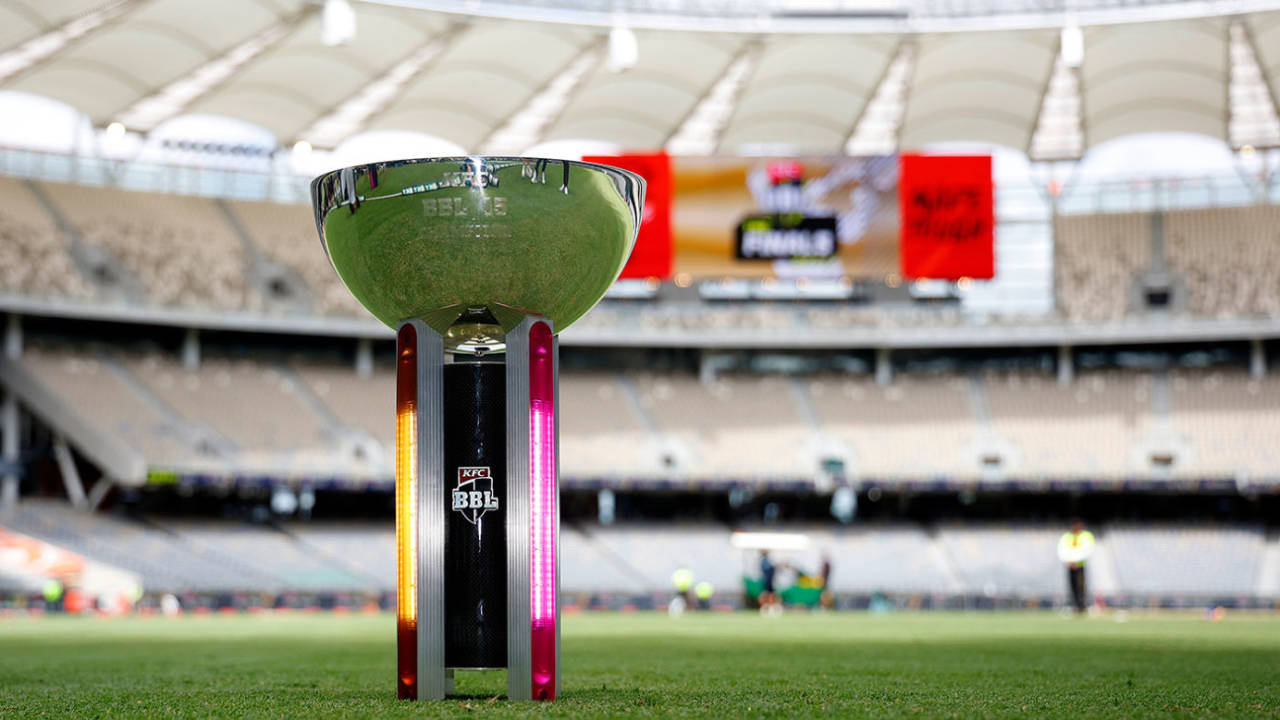
Tensions Rise as BBL Privatisation Plans Spark Chaos
The landscape of Australian cricket is currently facing a period of intense instability. An urgent meeting called for amid BBL chaos; ACA says merger has caused ‘anxiety’ among players and stakeholders, highlighting a growing rift within the sport’s administrative bodies. The situation follows a shock announcement from Cricket Victoria regarding the proposed merger of the Melbourne Stars and the Melbourne Renegades, a move that has sent shockwaves through the Big Bash League ecosystem.
State Associations Demand Answers
The fallout has reached the highest levels of the game. Cricket New South Wales, South Australia, and Queensland have officially requested a formal meeting with Cricket Australia (CA) to address the lack of transparency surrounding the structural changes. Tensions were further exacerbated by reports that NSW executives were excluded from a recent high-level trip to Chennai, where representatives from CA, Victoria, Western Australia, and Tasmania allegedly discussed future BBL international matches and private investment opportunities.
NSW has been vocal about its desire to explore alternative, self-funding models for the BBL, yet they claim their requests for a formal discussion on these proposals have been largely ignored by CA leadership. State executives are now slated to meet in Melbourne next week to align their positions before a crucial meeting of the chairs on June 15.
The ACA Steps In: A Call for Unity
The Australian Cricketers’ Association (ACA) has taken a firm stance, with CEO Paul Marsh issuing a strong critique of the current direction. The union reports being inundated with inquiries from concerned players, many of whom feel left in the dark regarding their professional futures.
“As it stands, Australian cricket is not unified on a way forward and as a result, we are a long way off a solution,” Marsh stated. The ACA has reminded stakeholders that under the existing Memorandum of Understanding (MOU), any move to privatize BBL clubs requires formal agreement with the players’ union. Consequently, the union views the current talk of imminent privatization as premature and disruptive.
Administrative Uncertainty and Player Welfare
While Cricket Australia CEO Todd Greenberg has attempted to dampen the flames by emphasizing that no final decisions have been approved, the operational reality for the Melbourne clubs remains precarious. Cricket Victoria has reached out to contracted players, including high-profile stars like Glenn Maxwell and Meg Lanning, to assure them that existing agreements remain in force despite the administrative upheaval.
However, the internal logistics present a daunting challenge. Both the Stars and Renegades are currently navigating complex roster management. With 18 spots to fill for men and 15 for women across the new structure, the lack of finalized management teams and coaching staff for the upcoming season adds layers of uncertainty. Key personnel shifts, such as James Rosengarten moving to lead the merged entity while other directors transition into caretaker roles, reflect the volatile nature of this transition.
Looking Ahead: Is a Consensus Possible?
The road ahead for the Big Bash League is fraught with political and structural challenges. The push for a hybrid privatization model is clearly meeting resistance from states that feel marginalized by the current process. As the cricketing community awaits the outcome of next week’s meetings, the prevailing sentiment remains one of caution. The success of the BBL hinges not just on private investment, but on the ability of the governing bodies to restore trust, ensure transparency, and prioritize the long-term interests of the game over short-term financial restructuring.
Until a unified vision is established, the future of the BBL remains in a state of flux, leaving fans, players, and state associations bracing for what could be a long and difficult off-season.