ICC delegation visits Bangladesh to ‘review developments linked to the BCB’ – Key Insights
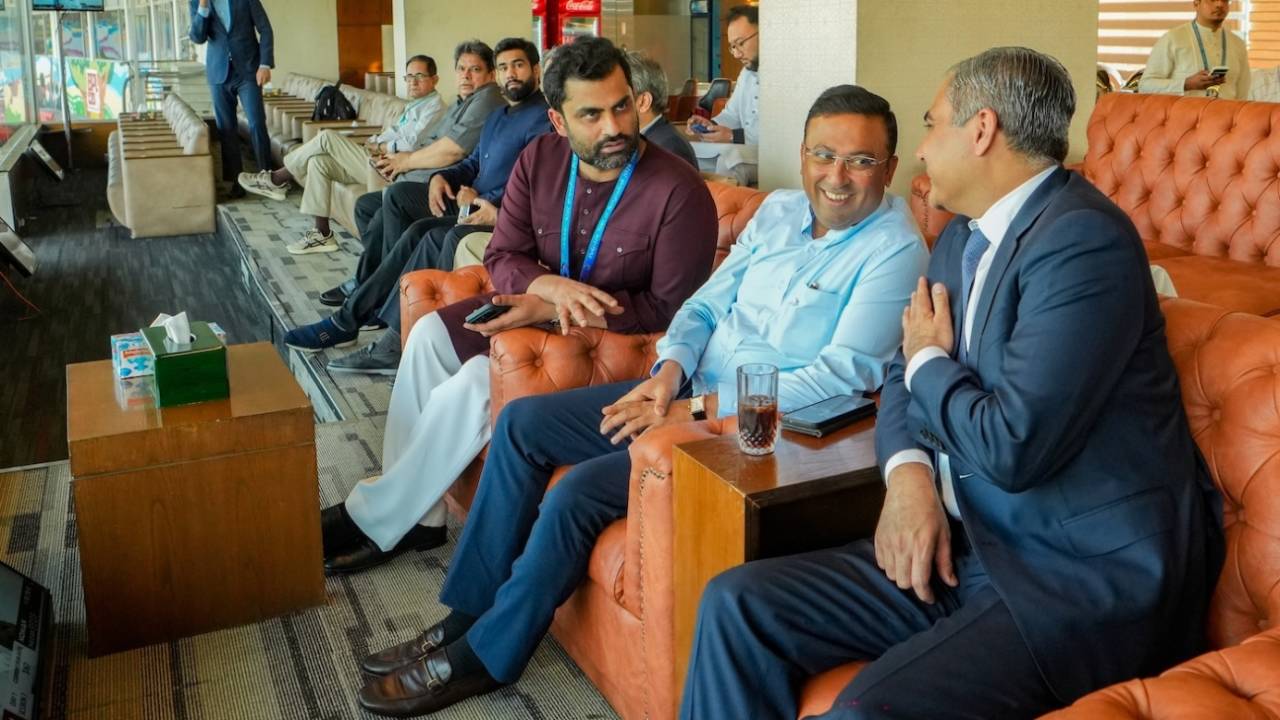
ICC Delegation Concludes Key Visit to Bangladesh Amidst Governance Scrutiny
The International Cricket Council (ICC), the global governing body for cricket, recently dispatched a two-member delegation to Dhaka, Bangladesh, for a critical fact-finding mission. The primary objective of this visit was to thoroughly review the significant developments linked to the Bangladesh Cricket Board (BCB), as announced in an official ICC media release. The delegation, comprising Dr. Mohammed Moosajee and Tavengwa Mukuhlani, engaged with a wide spectrum of stakeholders, reflecting the ICC’s commitment to ensuring robust and transparent governance within its member nations.
Purpose and Scope of the ICC’s Review
The presence of an ICC delegation in Bangladesh underscores the serious nature of the administrative changes and challenges currently faced by the BCB. Such visits are integral to the ICC’s oversight role, ensuring that member boards adhere to established governance principles and democratic processes. The delegation’s mandate was not merely to observe but to actively engage, listen, and gather firsthand accounts from all parties involved in the recent restructuring of the BCB and the preparations for its upcoming elections.
Dr. Moosajee and Mukuhlani commenced their visit on June 1, immediately embarking on a series of crucial meetings. Their schedule included interactions with members of the BCB’s ad-hoc committee, which is currently at the helm of the national cricket body. Prominently among these meetings was an engagement with the committee’s president, Tamim Iqbal, a former captain of the Bangladesh national team. These discussions were pivotal for the ICC delegation to understand the immediate operational and strategic plans under the new leadership. Furthermore, a crucial meeting was held with members of the BCB’s election commission, the body tasked with overseeing the polls scheduled for June 7. This particular interaction would have focused on the modalities, fairness, and transparency of the electoral process.
Engaging Diverse Stakeholders: A Comprehensive Approach
To ensure a balanced and comprehensive understanding of the situation, the ICC delegation extended its outreach beyond the incumbent administration. Information gathered indicates that the delegates also held meetings with BCB directors who had resigned from the previous board. This step highlights the ICC’s intention to hear from those who were part of the former leadership and understand their perspectives on the administrative transitions. Crucially, a separate meeting on June 2 also saw the delegation interact with directors who had not resigned from the previous board, including figures like Asif Akbar and Ahsan Iqbal Chowdhury. This multi-faceted approach allowed the ICC to gain insights into the various viewpoints and concerns surrounding the BCB’s current state of affairs.
Contestation and Legal Challenges
The administrative landscape of Bangladeshi cricket has been marked by significant contention. Following the ICC delegation’s meetings, Aminul Islam, the former Bangladesh captain who had served as the BCB president until April, publicly voiced his concerns. Islam asserted that he still considers himself the legitimate BCB president and alleged that the ad-hoc committee’s formation and subsequent actions were illegitimate. He claimed to have urged the ICC not to recognize any election conducted by or under the authority of the ad-hoc committee on June 7, or at any other time, emphasizing his stance on the invalidity of the current process. Additionally, Islam called upon the BCB’s ad-hoc committee to issue a correction to their May 31 press release concerning the ICC delegation’s visit, suggesting inaccuracies in its representation of events or intentions.
High Court Rejects Election Challenge
Adding another layer of complexity to the administrative turmoil, Bangladesh’s High Court recently weighed in on the legality of the upcoming BCB elections. A writ petition had been filed challenging both the election schedule and the voter list for the June 7 polls. However, a bench comprising Justice Bhishmadev Chakrabortty and Justice Md. Ashif Hasan ultimately rejected the petition. The court’s decision was based on the finding that the petition was not presented properly, indicating a procedural flaw rather than a substantive ruling on the legality of the election process itself. This rejection clears a potential immediate hurdle for the scheduled elections, though it does not necessarily validate the process in the eyes of all stakeholders.
The timeline of these events is crucial. The writ petition was filed on May 18, approximately a month and a half after the country’s sports ministry took the decisive action of dissolving the BCB’s board of directors on April 7. On the very same day of the dissolution, the ministry appointed an 11-member ad-hoc committee, led by Tamim Iqbal, to manage the affairs of the BCB until new elections could be held. This rapid succession of administrative changes set the stage for the current period of scrutiny and legal challenges.
Implications and Forward Path
The findings and observations gathered by the ICC delegation will now be meticulously reviewed and reported to the governing body. The ICC’s ultimate stance on the BCB’s electoral process and overall governance will be critical for the future stability and international standing of Bangladeshi cricket. While the High Court’s procedural rejection of the petition allows the June 7 elections to proceed as planned for now, the ongoing administrative disputes and the former president’s strong objections highlight the need for a definitive resolution that ensures stability and compliance with global cricket standards. The path forward for Bangladeshi cricket remains under the watchful eye of the ICC, with the ultimate goal of establishing a robust and universally accepted governance structure.