‘I’m all good’ – Mooney eases concerns after Voll’s emergency role
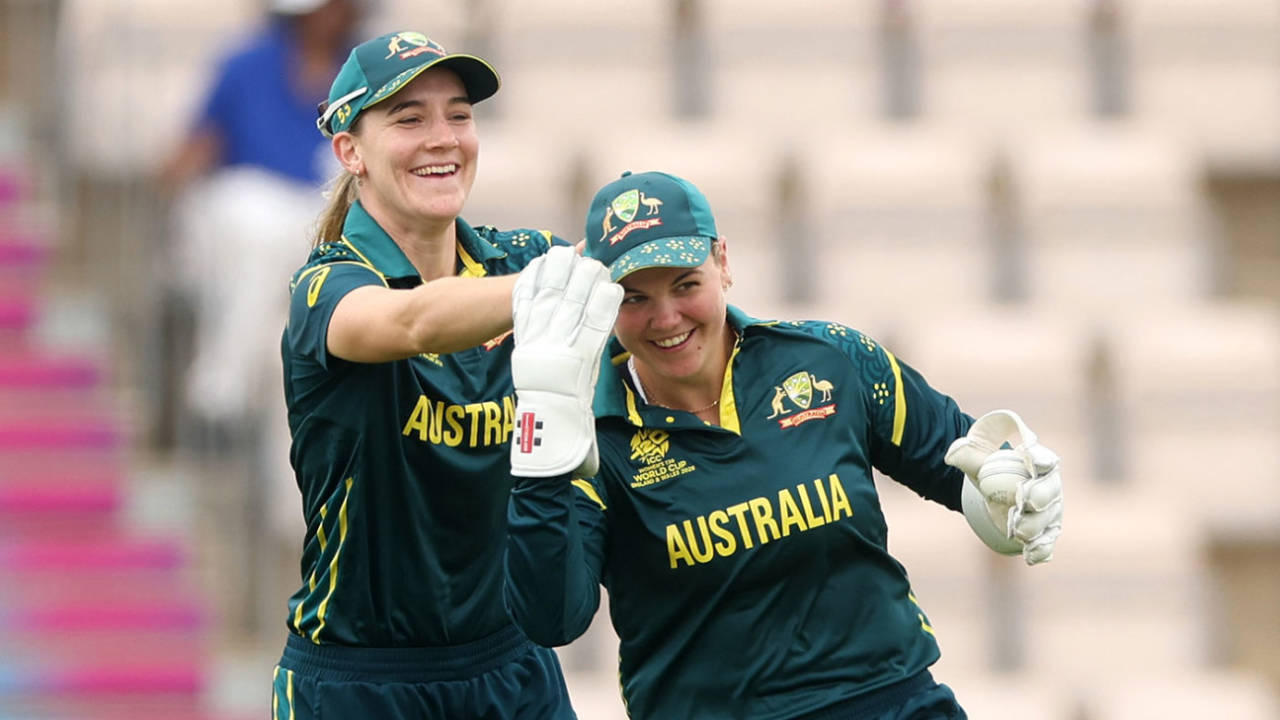
A Scare in the Field
Australia’s T20 World Cup campaign took an unexpected turn during their recent match against the Netherlands when star batter and wicketkeeper Beth Mooney was forced to retire hurt. Mooney, who had been in sublime form, walked off the field at the second drinks break after scoring a brilliant 74 from just 42 balls. Her departure, caused by back stiffness, immediately raised questions about the depth of Australia’s squad, particularly given the absence of a specialist back-up wicketkeeper in the initial 15-player traveling group.
The Emergency Call-Up
With Phoebe Litchfield already sidelined due to a quad injury, the team was forced into an improvised solution. The call went out for Georgia Voll to step behind the stumps, a scenario few expected to see in a high-stakes international tournament. Voll, despite having limited experience in the role, performed with remarkable composure. She managed to keep the Netherlands’ scoring in check, not conceding a single bye throughout the entire 20-over innings. Most impressively, she showcased her athleticism by taking a tidy catch to dismiss Phebe Molkenboer.
Reflecting on the unique experience, Voll admitted it felt surreal. ‘It felt very ugly,’ she remarked. ‘I don’t really know how it looked, but every time it came up on the big screen, I was like, “ew”. It was pretty fun … it did feel a bit odd that I had to keep in a game for Australia, that’s for sure.’
Reassurance from the Camp
Despite the initial alarm, the mood in the Australian camp remained positive. Post-match, Beth Mooney was quick to alleviate concerns regarding her fitness. ‘I’m all good, just precautionary,’ Mooney explained after being named player of the match. ‘Probably just not used to all the bus travel we’ve been doing.’ The team had been managing a demanding travel schedule, moving between Leeds and Southampton, and while the physical toll is real, Mooney’s assessment suggests that this was merely a temporary setback rather than a tournament-ending injury.
Ashleigh Gardner, who made a stellar return to the side with 58 off 32 balls after recovering from an ankle sprain, lauded the squad’s adaptability. ‘Having Moons go down is super unfortunate because she’s such a world-class keeper,’ Gardner noted. ‘But, having to turn to someone who’s not really kept probably ever, but did a tidy enough job, it does show that depth within our side. It’s certainly not something that we had planned for, but when these things pop up, people are really willing to just take whatever’s needed.’
Looking Ahead
The situation highlights a calculated risk taken by the selectors in not naming a dedicated reserve wicketkeeper. While Tahlia Wilson is currently with the squad as a traveling reserve, she cannot take the field unless officially brought into the squad as a permanent replacement. For now, the Australian management will be relieved that Mooney’s injury appears minor.
Gardner, meanwhile, is feeling confident about her own physical state as the tournament progresses. ‘My ankle’s good. I’d made a full recovery to be able to be confident enough to play today,’ she said. ‘It’s certainly still bruised… but all is good. I’m taking a lot of confidence out of that, being able to spend some time out in the middle with Moons.’
With the squad now preparing for their upcoming clash against Pakistan on Tuesday, the focus returns to performance. Australia’s ability to remain calm under pressure and adapt to unforeseen challenges—much like they did with the sudden change behind the stumps—remains a cornerstone of their championship pedigree. They will be looking to build on this momentum as they head toward their final group match against India at Lord’s on Sunday.