ICC Launches Post-Pregnancy Return-to-Play Guidelines for Cricketers
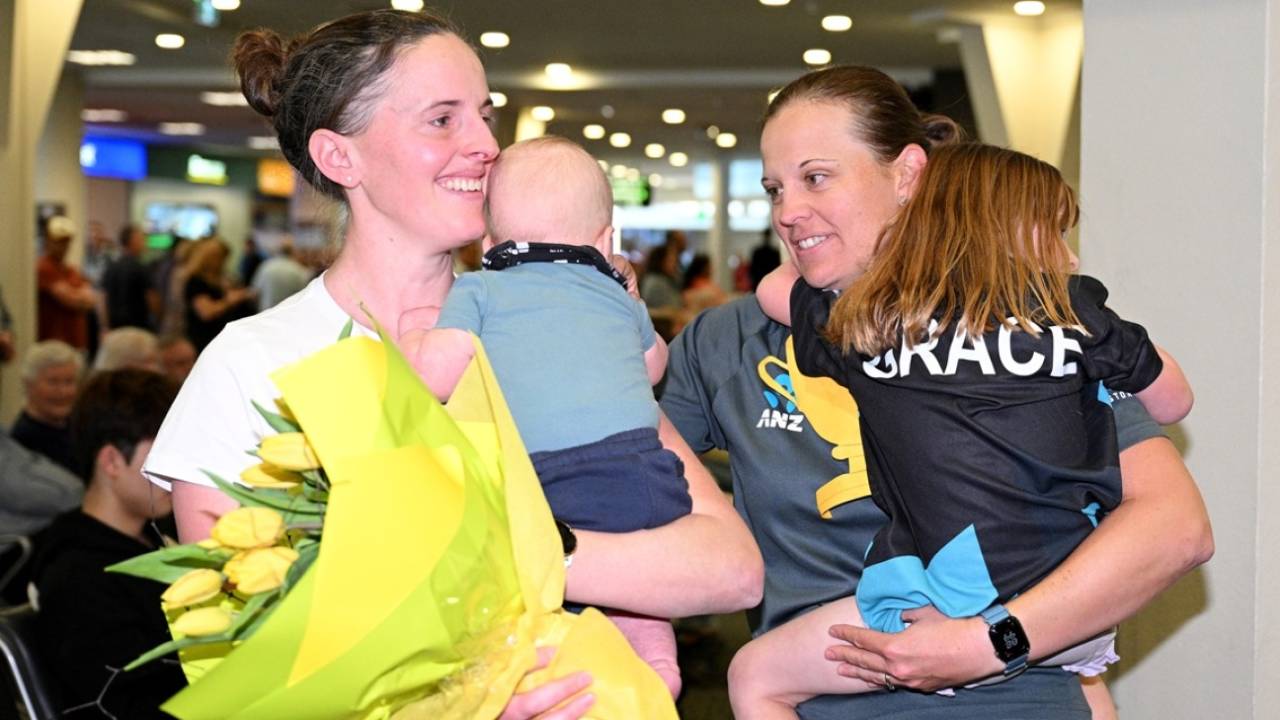
A New Era for Cricketing Mothers: ICC Launches Post-Pregnancy Return-to-Play Guidelines
The International Cricket Council (ICC) has ushered in a significant change for women’s cricket, introducing comprehensive guidelines designed to support players returning to elite-level competition after pregnancy. This monumental step aims to eliminate the historical dilemma faced by female athletes, ensuring that motherhood and representing one’s country are no longer mutually exclusive.
During a rest day amidst the T20 Women’s World Cup, the ICC officially unveiled its ‘Return to Play Post-Pregnancy Guidelines’. This initiative serves as a crucial reference point for female players, national boards, medical professionals, and coaches alike, providing practical assistance to mothers navigating their return to cricket following pregnancy and childbirth.
Empowering National Boards with a Standardized Framework
These new guidelines are strategically designed to assist Member nations in developing and implementing their own tailored pregnancy and return-to-play policies. Crucially, they aim to align with local legislation while prioritizing player welfare from practical, physical, and psychological standpoints. The emphasis is on creating a supportive ecosystem that nurtures both the athlete and the mother.
Dr. Philippa Inge, a respected Australia team doctor and an integral member of the ICC medical advisory committee, spearheaded the drafting of these essential guidelines. Dr. Inge articulated the initiative’s core philosophy, stating that it is “designed to show players that having a baby doesn’t need to be the end of their career.” She further elaborated on the adaptability of the policy, noting, “What we’re aiming to do with this policy is allow Member nations to facilitate the return to cricket for their players. We know that many Members haven’t necessarily had these in the past, and the aim has been to make them adaptable for the unique environments in which our Members need to use them.”
Addressing the Growing Professionalization of Women’s Cricket
The increasing professionalization of women’s cricket has led to a noticeable rise in the number of female players choosing to start families during their active careers and successfully returning to elite cricket after giving birth. While several countries have already implemented individual maternity policies, and a number of prominent players have made successful international comebacks post-childbirth, these ICC guidelines provide a standardized template. This framework is intended to equip all ICC Members with the necessary tools to effectively support their players through this significant life transition.
Real-World Experiences Pave the Way
The challenges and triumphs of several cricketers highlight the pressing need for such comprehensive guidelines. West Indies leg-spinner Afy Fletcher, currently participating in the T20 World Cup, returned to the sport after giving birth to her son in 2021. Similarly, Bismah Maroof, a former Pakistan captain, famously brought her baby daughter, Fatima, to the 2022 World Cup following her return to the national side. Maroof, who retired in 2024, has since welcomed a son, underscoring the ongoing journey of cricketing mothers.
However, the path has not always been smooth. New Zealand allrounder Amy Satterthwaite announced her international retirement in 2022, nearly two years after her comeback from maternity leave, after being overlooked for a central contract. Batter Lauren Down also retired earlier this year, six months after having a baby, despite touring with New Zealand in 2024. These instances underscore the complexities and systemic gaps that the new ICC guidelines aim to address and rectify. South Africa seam bowler Masabata Klaas, a mother since 2013, has played the majority of her international career as a parent, demonstrating resilience in the absence of formalized support structures. Both Fletcher and Klaas have openly shared their experiences, shedding light on the dual demands of elite sport and motherhood.
Even within emerging professional leagues, the journey of cricketing mothers is evolving. India’s Sneha Deepthi, a mother to a toddler, was picked up by Delhi Capitals for the inaugural WPL in 2023 and retained for the 2024 season, though she did not feature in a match. These varied experiences highlight the diverse scenarios and the universal need for a robust support system.
The “6 Rs” Framework: A Holistic Approach to Return-to-Play
Afy Fletcher, who had previously spoken about the unique challenges of balancing an international career with motherhood, lauded the ICC’s move as “one of the best things they could have done for women’s cricket.” She reflected on her own journey, stating that while “physical recovery was challenging,” the emotional struggle of being away from her child was even more profound. This personal insight reinforces the holistic nature of the new guidelines.
The ICC guidelines are built upon a comprehensive framework known as “the 6 Rs,” encompassing:
- Ready: Focuses on early recovery and initial assessment after childbirth.
- Review: Involves detailed medical and wellbeing reviews to assess physical and psychological readiness.
- Restore: Concentrates on gradual rehabilitation and restoration of core strength and stability.
- Recondition: Progresses to cricket-specific conditioning, rebuilding fitness and skills necessary for the sport.
- Return: Marks the phased return to competitive play, carefully monitored for player welfare.
- Refine: Emphasizes ongoing monitoring, support, and adaptation of training and playing schedules.
These pillars are designed to provide a structured yet flexible pathway for players. The practical provisions outlined in the guidelines include creating flexible training environments, ensuring continued access to top-tier facilities and support services, offering expert childcare advice, establishing suitable and private spaces for feeding or caring for babies at playing venues, and providing essential travel support wherever feasible. This comprehensive approach aims to ensure that cricketing mothers receive the optimal support necessary for a successful and sustainable return to the sport they love, marking a progressive leap forward for women’s cricket globally.