BCCI Takes Strict Action Following Vaping Incidents In IPL 2026
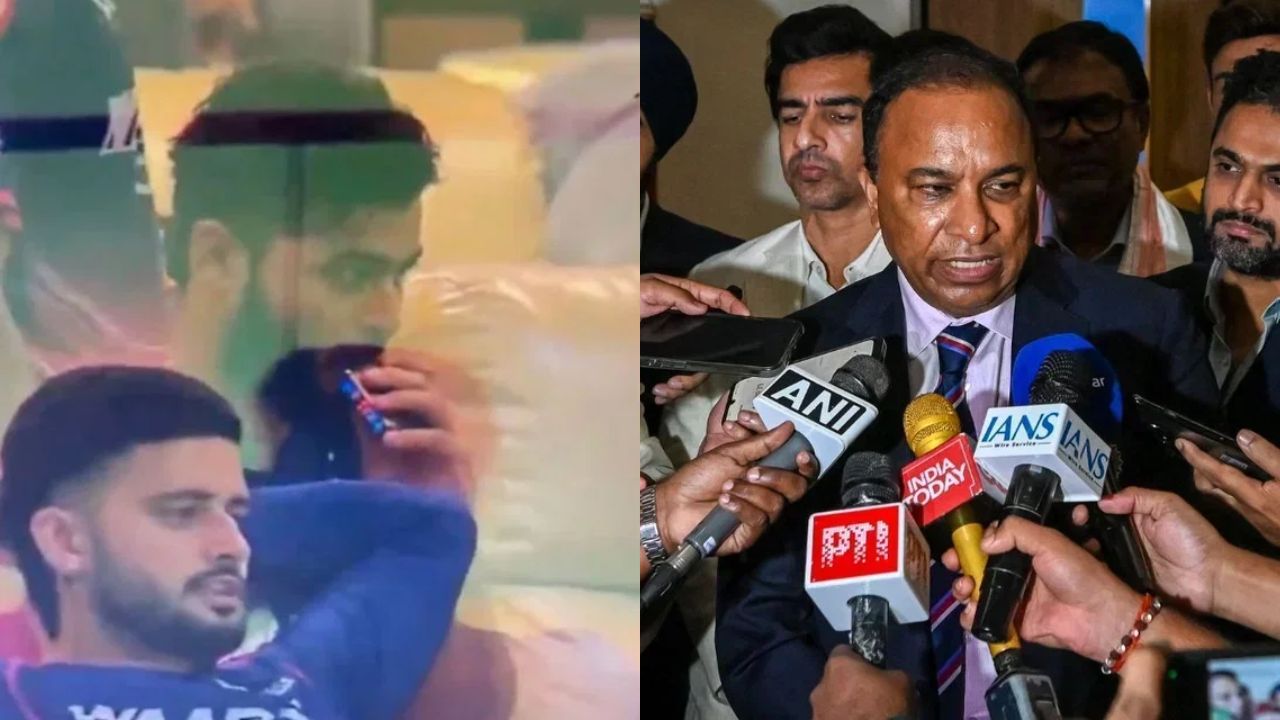
BCCI Cracks Down on Vaping Violations in IPL 2026
The 2026 edition of the Indian Premier League (IPL) has been a spectacle of thrilling cricket, keeping fans on the edge of their seats with high-stakes matches and exceptional individual performances. However, the prestige of this lucrative T20 league has recently been overshadowed by disciplinary concerns. The Board of Control for Cricket in India (BCCI) has been forced to intervene after high-profile players were caught engaging in prohibited activities during the tournament.
The Vaping Controversy Explained
Two prominent Indian cricketers, Riyan Parag of the Rajasthan Royals and Yuzvendra Chahal of the Punjab Kings, found themselves at the center of a storm after being caught vaping during the IPL season. Under the Prohibition of Electronic Cigarettes Act (PECA) of 2019, the use, sale, and distribution of electronic cigarettes and similar devices are strictly illegal in India. Despite these national regulations, the incidents involving these cricketers have drawn significant backlash from fans and cricket authorities alike.
Riyan Parag was captured on camera vaping inside the team dressing room during a match between the Rajasthan Royals and the Punjab Kings. Similarly, Yuzvendra Chahal was observed engaging in the same activity while traveling on a flight with his Punjab Kings teammates. These public displays have prompted the BCCI to take immediate and decisive action to preserve the league’s reputation.
Disciplinary Measures and BCCI Directives
In response to the misconduct, the BCCI acted swiftly against Riyan Parag. The all-rounder, who serves as a key player for his franchise, was fined 25 percent of his match fees and handed one demerit point for his actions in the dressing room. While Yuzvendra Chahal has not yet faced an official sanction, the board has sent a clear message that the leniency period is over.
BCCI secretary Devajit Saikia issued an extensive eight-page directive to all IPL franchises, mandating strict adherence to the code of conduct for both players and support staff. The directive explicitly states that any act of vaping during the IPL will be treated as a severe violation of both internal BCCI regulations and national law.
Legal Implications of the Ban
The BCCI’s stance is rooted in the fact that vaping is a cognisable offence under Indian statutory law. In his official statement, Devajit Saikia emphasized the gravity of the situation: ‘Instances of vaping within dressing rooms and other restricted areas of tournament venues have been brought to BCCI’s attention. It is pertinent to note that vapes and electronic cigarettes are prohibited under applicable Indian Law. Any individual found engaging in such conduct within tournament premises is not only violating BCCI and IPL regulations but may also be committing a cognisable offence.’
The ban covers all tournament-related venues, including team hotels, dressing rooms, dugouts, and practice facilities, effectively leaving no room for ambiguity regarding the prohibited substances.
Stricter Controls on Team Hotel Access
Beyond the crackdown on vaping, the BCCI has also tightened regulations regarding access to team hotel rooms. To bolster professionalism and mitigate the risks of corrupt activities, the board has prohibited the entry of unauthorized persons into players’ hotel rooms. Even the friends and family of players must now secure formal approval from their respective franchise team managers to gain access. This policy shift is part of a broader effort by the BCCI to ensure that the integrity of the IPL remains beyond reproach as the 2026 season reaches its critical final stages.
As the tournament progresses, the focus is expected to return to the cricket on the field. However, these recent events serve as a stern reminder to all participants that the BCCI is committed to maintaining discipline, legality, and professionalism at every level of the IPL.