Asad Shafiq Remains Optimistic for Pakistan’s Test Comeback Against Bangladesh
A Renewed Sense of Hope for Pakistan
In the high-stakes environment of Test cricket, resilience is often the difference between a crushing defeat and a legendary turnaround. Following a series of disappointing batting displays, Pakistan’s batting coach, Asad Shafiq, has voiced genuine optimism regarding his side’s prospects in the second Test against Bangladesh. Heading into the final day in Sylhet, Pakistan finds themselves at 316 for 7, requiring an additional 121 runs to level the series. According to the coaching staff, the momentum has shifted, and the possibility of an improbable victory remains well within their grasp.
The Strategy Behind the Chase
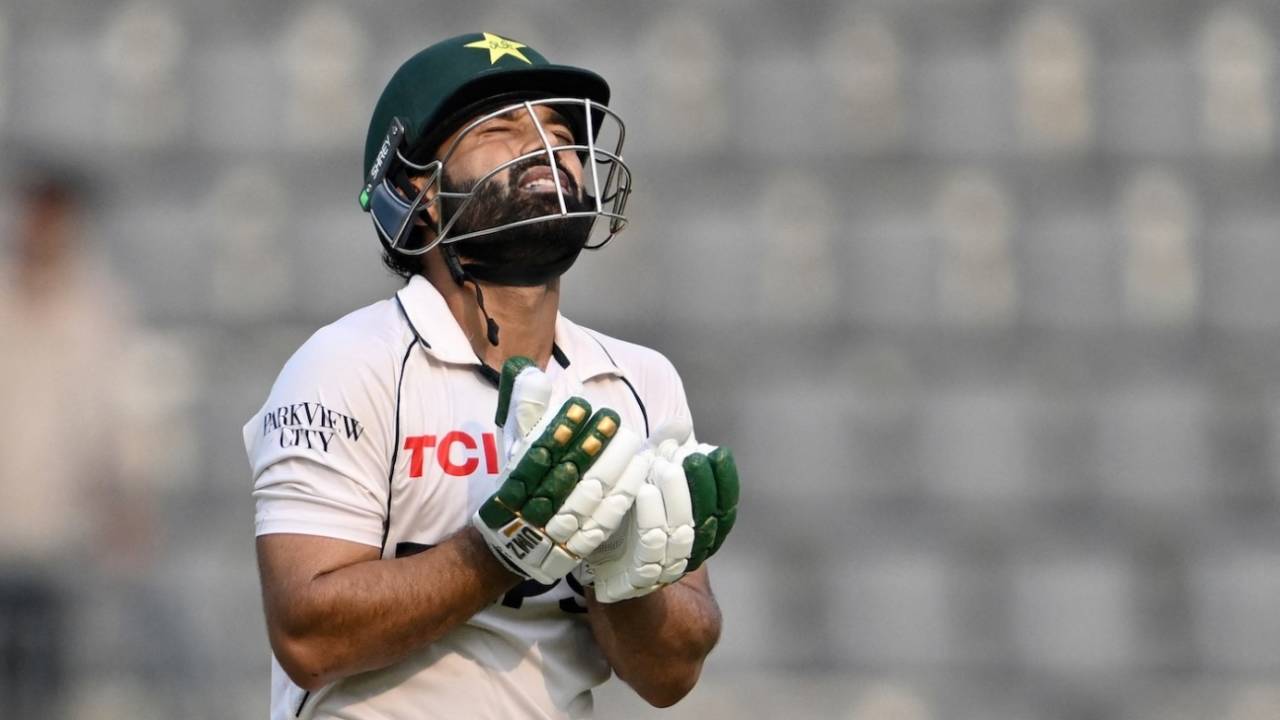
The target of 437 set by Bangladesh represents a monumental mountain to climb, arguably one of the most significant chases in Test history. Despite the steep climb, Shafiq remains unfazed, highlighting the individual contributions that have kept Pakistan in the hunt. With Mohammad Rizwan currently unbeaten on 75, the team’s hopes rest on the shoulders of their last recognized batter. Shafiq noted, ‘We can win this game. If you see today’s batting performance, we’re really hopeful. 120-odd runs are left, and Rizwan is batting.’
The path forward was made significantly more difficult late on the fourth day when Taijul Islam broke a crucial 134-run partnership between Rizwan and Salman Ali Agha. This late surge from the Bangladeshi bowlers has undeniably tilted the odds back toward the home side, yet the coaching staff remains focused on the positives gleaned from the session.
Building Partnerships and Character
Shafiq was quick to praise the tactical shift in how his players approached their innings. Throughout this series, Pakistan has struggled to form meaningful partnerships, often folding under pressure. However, the recent match saw a pivotal 92-run stand between captain Shan Masood and Babar Azam, followed by the resilient effort from the middle order.
‘That’s an amazing comeback as a batting unit because we didn’t have those kinds of partnerships this series,’ Shafiq remarked. ‘These things we were missing as a batting unit, but it’s really good to see it’s coming off now.’
Shan Masood’s Resurgence
A significant focal point of the commentary has been the performance of captain Shan Masood. Having faced immense scrutiny due to a lack of runs throughout the series, Masood provided a glimpse of his true potential. His 71-run contribution was vital in navigating a treacherous period of play early in the day. Shafiq defended the captain’s form, suggesting that his success was a testament to his dedication in the nets. ‘He’s trying really hard in the nets, and it’s just a matter of time that he does well. He batted really well, absorbed the pressure, and once he got loose deliveries, he really capitalized on that.’
An Ideal Surface for Test Cricket
Beyond the individual performances, Shafiq took the opportunity to commend the nature of the pitch at Sylhet. In an era where flat tracks or overly doctored surfaces often dominate the conversation, the coach described the current wicket as one of the best he has encountered in recent times. ‘I think this is the best Test match track you can have,’ he said. ‘There’s something for everyone. A bit of spin, and some seam movement for fast bowlers, especially with the new ball. As a batter you get the value of your shots. I think this is an excellent Test wicket.’
The Final Push
As the cricket world turns its attention to the final day of play, the mood in the Pakistan camp is one of quiet determination. While the loss of late wickets has tightened the contest, the belief instilled by the batting coach suggests that the team is ready to fight until the very last ball. Whether Pakistan can secure the 121 runs required remains to be seen, but the narrative has shifted from one of total collapse to a contest defined by grit, tactical discipline, and a collective refusal to surrender.