Babar Azam Fit But Dropped: The Mystery Behind Pakistan’s Selection
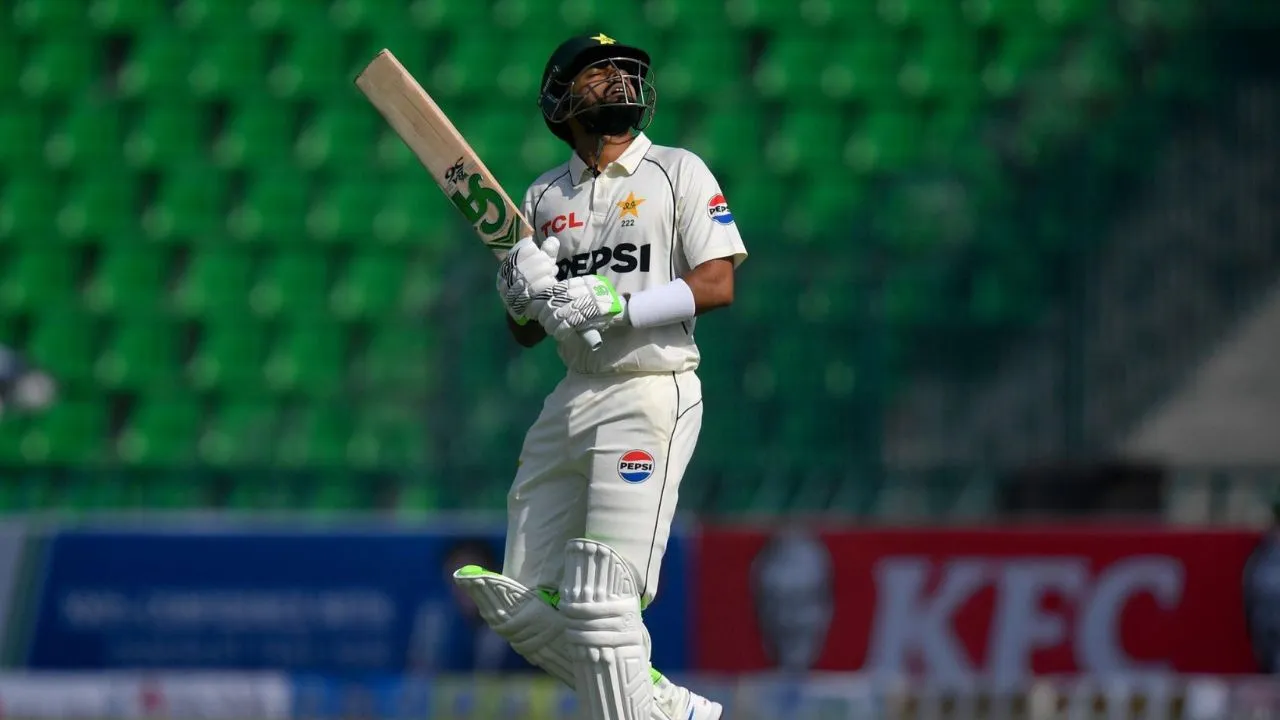
A Tactical Exclusion or Injury? The Babar Azam Conundrum
The landscape of Pakistan cricket is no stranger to controversy, but the latest developments surrounding Babar Azam have caught fans and pundits off guard. As Pakistan prepares to face Bangladesh in the first Test of their series, the glaring absence of their premier batter has ignited a firestorm of speculation regarding team selection and internal management.
The Narrative of the ‘Injury’
Leading up to the match, reports circulated suggesting that Babar Azam had sustained a left knee injury during net practice. These reports gained traction on social media, with some viral clips seemingly confirming the batter’s physical discomfort. For many supporters, this news was a significant blow, given Babar’s recent resurgence in form during the Pakistan Super League (PSL), where he amassed 588 runs and captained his side to their second title.
Pakistan skipper Shan Masood had previously expressed complete confidence in Babar, highlighting his adaptability and the positive momentum he carried from the PSL. Masood had explicitly backed the veteran to transition seamlessly back into the Test format, suggesting that the confidence gained from his recent domestic performances would serve him well on the international stage.
The Aaqib Javed Factor
However, the narrative took a sharp turn shortly after the initial injury announcements. New reports, including those from credible sources like Dawn News, indicate that the injury story may be a cover for a deliberate selection strategy. According to these accounts, Babar Azam is entirely fit and was observed participating in pre-match training sessions without issues.
The controversy centers on the influence of chief selector Aaqib Javed. It is being reported that Javed orchestrated the decision to exclude Babar to make room for younger players to earn their Test caps. This move appears to be part of a broader vision to reshape the national side following a tumultuous period that included a disappointing exit from the 2026 ICC T20 World Cup and a difficult ODI series against Bangladesh.
Shifting Dynamics in Selection
Under the current administrative framework, the influence of captains and coaches in the selection process has undergone significant changes. Recent policies suggest that while the leadership duo—Shan Masood and the head coach—maintain authority over the final playing XI, the broader selection strategy is increasingly driven by the selectors.
This shift was made evident as two young cricketers, Azan Owais and Abdullah Fazal, were handed their debut Test caps by Mohammad Rizwan and Shan Masood. The conspicuous absence of Babar Azam during these ceremonies, and his lack of involvement on the field, has fueled rumors of friction within the dressing room. Reports suggest that the former captain was far from pleased with the decision to leave him out.
What This Means for Pakistan Cricket
The exclusion of a player of Babar Azam’s caliber, regardless of the underlying reasons, signals a willingness by the current management to prioritize long-term reconstruction over immediate results. While the integration of youth is vital for the sustainability of any national team, the transparency of such decisions remains a point of contention.
As Pakistan navigates this transitionary phase, the focus will now shift to how the young debutants perform under pressure and whether the team can find stability in the absence of one of its most experienced pillars. For fans, the hope remains that the communication between the selectors, the coaching staff, and the players will improve to ensure that such high-profile absences do not derail the team’s prospects in the future.
The coming days will be critical. Whether this selection maneuver pays off on the field remains to be seen, but the debate surrounding the ‘hidden’ reasons behind Babar Azam’s omission is unlikely to fade until there is clear, official clarity on the team’s long-term selection policy.