BBL explainer: what does the Melbourne merger mean, and what happens next? A Comprehensive Guide
The week has been marked by significant upheaval within Australian cricket, particularly concerning the proposed introduction of private investment into the Big Bash League (BBL). This situation presents numerous ambiguities and potential ramifications. No official advancements have been formally made, and critical procedural steps cannot be taken until a forthcoming meeting in Melbourne next week. During this meeting, the six state executives and chairs will convene with Cricket Australia (CA), and a definitive decision on whether to progress to the next phase of the privatization plan is anticipated on June 15. This comprehensive overview aims to dissect the known facts, the prevailing uncertainties, and the potential trajectory of these developments.
Will there be eight teams in the BBL next season?
The structure of the Big Bash League for the upcoming season is firmly established: there will indeed be eight teams competing. This aspect is unequivocally guaranteed, as Cricket Australia never harboured intentions to alter the competition’s foundational structure for the 2026-27 season. Furthermore, any potential introduction of private investment, if ultimately approved, is not slated to impact the competition until the 2027-28 season. Consequently, the next BBL season will feature eight teams, each participating in ten home and away matches, followed by a finals series. Notably, two of these eight teams will continue to be based in Melbourne, upholding the dual-franchise presence in the state capital for the immediate future. This provides a measure of stability amidst broader discussions of structural change within the league, ensuring that the immediate competitive framework remains unchanged for fans and participants.
So Melbourne Stars and Melbourne Renegades will play next season?
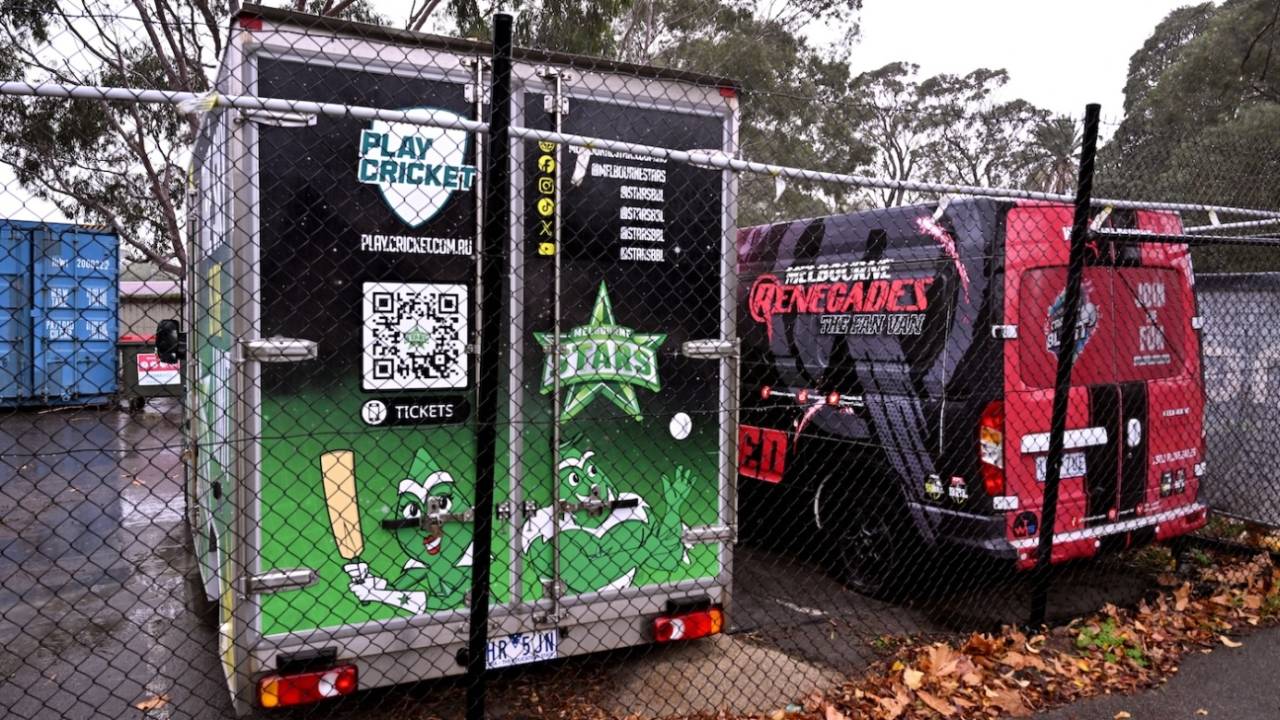
This is where the situation becomes considerably more intricate and represents the epicentre of the recent cricketing storm. Cricket Victoria (CV) made a significant announcement earlier in the week, declaring its administrative decision to merge the operational aspects of the two Melbourne-based BBL teams under a single unified brand. This new entity would be managed by CV and would compete under a different nickname and colours. CV’s stated intention is to sell the license for the second team, currently known as the Melbourne Renegades, to a private investor prior to the 2026-27 season. Under this proposed model, the incoming investor would then possess the autonomy to rename and rebrand the team, a precedent established by several Hundred franchises that underwent similar sales last year.
Following a swift and pronounced backlash from various stakeholders, Cricket Australia chief executive Todd Greenberg addressed the situation, stating his awareness of Cricket Victoria’s intentions. However, he also emphasized that “there’s still plenty of work to be done and nothing has been decided or approved as yet.” Weighing the balance of probabilities, given the administrative steps already taken by Cricket Victoria, it is increasingly difficult to envision a team named the Melbourne Stars participating in the competition next season. Yet, it is crucial to reiterate that no definitive confirmation has been made. While there remains a possibility of a Renegades team competing, its ultimate form, branding, and operational structure are currently shrouded in uncertainty, making it a critical point of contention and speculation.
How will that work?
The operational feasibility of Cricket Victoria’s ambitious timeline raises significant questions. It appears remarkably challenging to execute such profound structural changes within a mere five-month window, especially considering that the hybrid privatisation model itself has not yet received formal approval. The process would entail thoroughly testing the market for potential buyers, formalizing a robust acquisition process for the license, and then integrating a new entity. These steps are typically time-consuming and complex. Despite these apparent hurdles, CV chief executive Nick Cummins maintains a firm stance, asserting that all necessary actions can be completed within a couple of months. He has already initiated crucial administrative moves within the organization to facilitate this accelerated timeline.
Furthermore, a contingency plan has been developed specifically for the Renegades, should a prospective buyer not be able to assume control of the team in the stipulated timeframe. Under this plan, a caretaker administration has already been established to manage the team, allowing it to continue operating in its current form as the Melbourne Renegades. This demonstrates CV’s commitment to ensuring the continuity of two Melbourne-based teams, even if the primary goal of immediate privatization and rebranding faces delays. However, the compressed schedule and the inherent complexities of such a restructuring effort continue to be a focal point of discussion and concern among various cricket stakeholders.
Why does Cricket Victoria want to do this?
Cricket Victoria’s strategic rationale behind these proposals is multi-faceted. Historically, Victoria has always harboured an intention to divest one of its two BBL teams entirely once the decision to embrace privatisation was made. This move is designed to allow CV to more efficiently manage its remaining team, potentially with a 49% private investor, mirroring the approaches planned by Western Australia and Tasmania for their respective sole teams, the Perth Scorchers and Hobart Hurricanes. Victoria has long grappled with the challenge of adequately spreading its resources across two distinct BBL entities, a situation that has often led to operational inefficiencies.
The financial impact of the COVID-19 pandemic also played a significant role. Victoria was disproportionately affected by the pandemic compared to other states, which has had a unique influence on its current financial standing and its strategic outlook for future-proofing cricket within the state. The decision to merge the Stars and Renegades brands under a new, unified name stems from extensive polling conducted with member focus groups earlier in the year. Cummins elaborated that feedback from Renegades fans indicated a strong reluctance to support the Stars if their own team was simply renamed and sold. Conversely, neutral Victorians, who did not align with either existing team, expressed a willingness to support a team wearing state colours.
Therefore, rather than alienating one established fan base, the strategy adopted by CV aims to unite both, cultivating a broader appeal rooted in state identity. The timing of this announcement, occurring two weeks prior to the pivotal privatisation vote, was reportedly driven by concerns over potential staff attrition and sponsor disengagement due to the prevailing uncertainty surrounding the short-term future of the teams. Cummins felt a pressing need to act swiftly following the initial rejection of the privatisation proposal in April, indicating a proactive approach to mitigate perceived risks and provide clarity amidst the ambiguity.
What’s been the reaction from the other states?
The reaction from other states has been characterized by varying degrees of intense displeasure, particularly from New South Wales, Queensland, and South Australia. These three states promptly demanded an emergency phone conference with Cricket Australia on Thursday. Their primary objective was to vocalize their profound frustration at being completely blindsided by Victoria’s announcement and to question whether Cricket Australia had any complicity in the premature disclosure of these plans, especially ahead of the critical state meetings and the vote on proceeding with the next phase of privatisation. Western Australia and Tasmania also participated in this crucial call, which included CEOs and chairs from all five states, alongside CA chief executive Todd Greenberg and CA chair Mike Baird. Notably, Cricket Victoria was not extended an invitation to join this discussion.
Prior to the emergency call, Cricket Victoria’s chief executive, Nick Cummins, had proactively sent an email to his state counterparts and attempted individual discussions to explain the rationale behind his organization’s actions. Following the contentious phone hook-up, Greenberg issued a statement acknowledging that “The timing of the news about Cricket Victoria’s intentions in the event of private investment was not ideal. But we understand their challenges.” This response, while acknowledging the timing issue, also implicitly supported Victoria’s underlying motivations.
Cricket NSW, in particular, remains deeply frustrated by what it perceives as a lack of proper consideration for its alternative proposal: a self-funded model for the BBL that would negate the need for private investment. There is an understanding that this alternative may finally be discussed at the state executives’ meeting scheduled for the following week. At the core of this widespread frustration lies a fundamental disagreement over Cricket Australia’s future financial projections. CA, along with the states advocating for privatisation, holds a view that CA’s balance sheet will face severe strain by 2031 without a significant infusion of private capital. Conversely, NSW believes this outlook is excessively pessimistic, contending that the game’s finances can be effectively managed and grown organically without resorting to the sale of BBL teams to external investors, highlighting a significant philosophical divide within Australian cricket administration.
How did the players react?
The playing cohort reacted with a mixture of anger and palpable anxiety regarding the future of the BBL and their careers. The Australian Cricketers’ Association (ACA) chief executive, Paul Marsh, issued one of the strongest public statements on Wednesday, unequivocally asserting, “Cricket Victoria’s announcement about a merger between the Stars and Renegades with the introduction of a new, privately owned club has created confusion, uncertainty and anxiety amongst players.” This statement underscored the immediate and significant impact of the news on the athletes.
Marsh was resolute in his reiteration that, according to the existing Memorandum of Understanding (MOU) between Cricket Australia (CA), the States, and the ACA, explicit agreement from the ACA is a prerequisite for the privatisation of any Big Bash clubs. He further clarified that while a potential agreement between CA and the ACA is under discussion, it is by no means imminent. Consequently, any discourse surrounding the privatisation of teams for the forthcoming season is, in the ACA’s view, premature. Players from both Melbourne clubs reportedly reached out to various media outlets, including ESPNcricinfo, seeking greater clarity on the evolving situation. This indicates a genuine sense of being left in the dark and underscores the personal stakes involved.
More broadly, there remains a deep-seated frustration among players concerning the overall state of the BBL and, critically, the pay structure for its elite participants when compared to other international T20 leagues. This disparity often leads to top talent being lured away, impacting the league’s quality. Cricket Australia, for its part, has maintained a firm position, stating unequivocally that it will not renegotiate the existing MOU until a definitive privatisation model has been agreed upon by all states, further adding to the complexity and impasse of the situation.
What does it mean for the fans?
For the loyal fan bases of the two Melbourne clubs, there is a legitimate sense of disenfranchisement and betrayal. This sentiment is particularly acute for those supporters who have grown up in the 21st century, knowing only the BBL in its current form and having passionately followed either the Melbourne Stars or the Melbourne Renegades for over 15 years. Their emotional investment in these teams is substantial, and the prospect of a forced merger, rebranding, or sale raises significant questions about their future allegiance and engagement. The precise manner in which these fans will react if Cricket Victoria’s vision for the two teams is fully realized this year remains a critical unknown, with potential implications for attendance, viewership, and overall league support.
More broadly, there appears to be a general sense of malaise and dissatisfaction among Australian cricket fans regarding the entire privatization push. The perception is that the process has been poorly explained and inadequately handled publicly by both Cricket Australia and the state associations. This lack of clear communication and perceived administrative missteps has contributed to a climate of confusion and distrust, potentially eroding fan confidence in the governance of the sport. Ensuring transparent communication and respecting the deep-seated emotional connections fans have with their teams will be paramount for the success and sustained popularity of the Big Bash League moving forward.
What is the next step?
The immediate and most crucial decision point is scheduled for June 15, when the state chairs are set to convene and vote on the proposed hybrid privatisation model. This model is designed to grant each state the autonomy to decide whether to pursue private investment for its respective BBL team(s). This pivotal vote will follow four days of intensive meetings between state executives and Cricket Australia, which will take place in the preceding week. These discussions are intended to thoroughly address the myriad details of the proposal and to iron out the various frustrations and concerns that have emerged during this tumultuous period.
It is generally understood that a minimum of four states would need to vote in favour for the proposal to advance to its next phase. However, there is an underlying desire among stakeholders to ensure that any dissenting states are not vehemently opposed to the fundamental model of self-determination, aiming for a more harmonious path forward if possible. Should the proposal be passed, those states that express an immediate desire to pursue private investment—currently identified as Victoria, Western Australia, and Tasmania—will collaboratively undertake a market testing process. This will be conducted jointly with Cricket Australia and their appointed consultant, the Raine Group, a specialist advisory firm.
This market testing process is anticipated to mirror the approach utilized for the sales of The Hundred franchises. It will involve sounding out potential buyers, providing valuations for each club license, and subsequently progressing to a formal sales process further down the line. While Cricket Victoria has consistently asserted that these steps can be completed within a matter of months, the precise timelines for such a complex and significant undertaking remain inherently unclear, adding another layer of uncertainty to the future landscape of the Big Bash League.