Virat Kohli’s 1 Billion Move Curbed For All Cricketers By BCCI Anti Corruption – BCCI Bans Smart Glasses in IPL 2026: New Integrity Rules Explained
A New Era of Regulation in the IPL
The landscape of professional cricket is undergoing a technological shift, and with it, the regulatory frameworks governing the game are evolving rapidly. During the 2026 edition of the Indian Premier League (IPL), the Board of Control for Cricket in India (BCCI) has taken a firm stance on the use of wearable technology. The Anti-Corruption and Security Unit (ACSU) has issued a directive requiring all players and support staff to surrender smart glasses and other advanced eyewear before entering restricted match-day zones.
This decision, while seemingly sudden, highlights the board’s commitment to maintaining the sanctity of the sport against the backdrop of rapidly advancing consumer electronics. By classifying these devices under the existing ‘Audio/Video Recording’ and ‘Communication’ protocols, the BCCI is ensuring that no potential for covert information exchange exists within the dressing rooms or on the field of play.
The Connection to Virat Kohli‘s Campaign
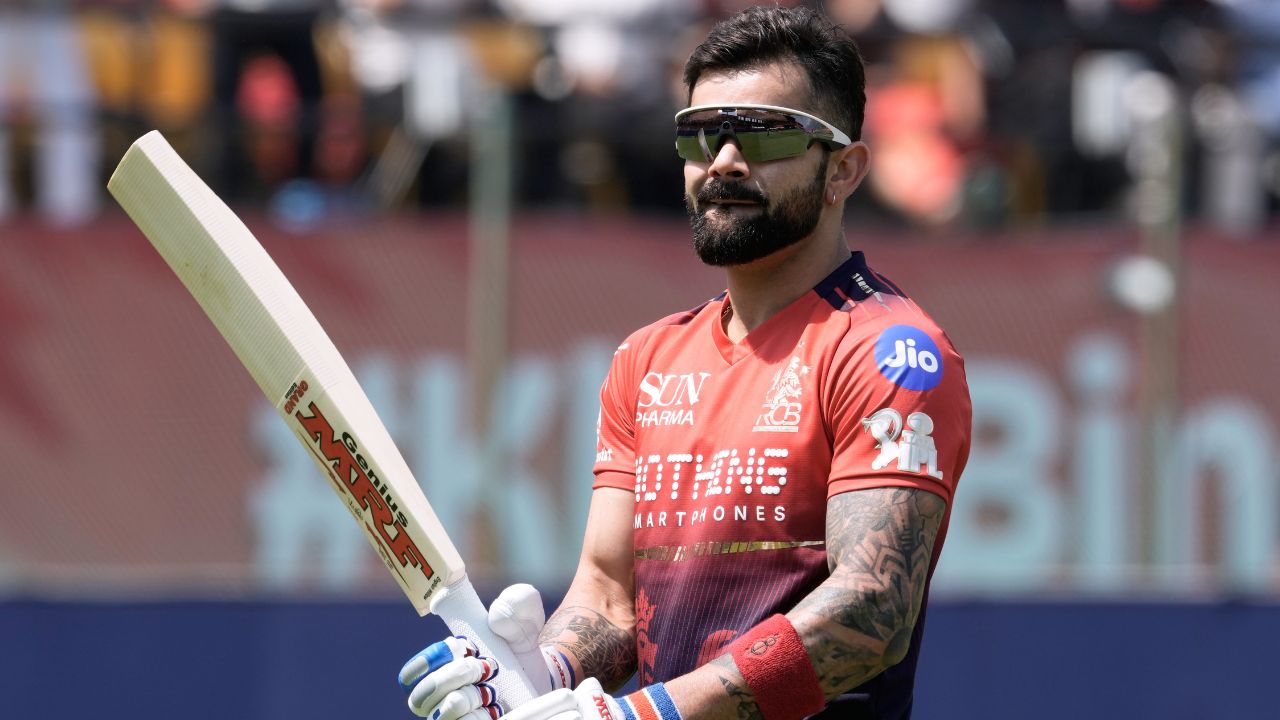
The timing of this directive has drawn significant attention, particularly due to the recent high-profile campaign involving Indian cricket icon Virat Kohli. Kohli, in partnership with Oakley and Meta, helped launch the ‘Oakley Meta Performance AI’ glasses. The campaign was an unprecedented success, with promotional content garnering over a billion views and millions of likes. Kohli was frequently spotted wearing these devices during practice sessions throughout the IPL 2026 season, which naturally brought the intersection of tech and cricket into the spotlight.
While these glasses were primarily marketed as tools for enhancing training routines and capturing immersive behind-the-scenes content, the ACSU has identified them as potential vulnerabilities. The concern is not necessarily with the brand itself, but with the broader category of wearable technology that possesses the capability to live-stream, record video, or facilitate real-time communication.
Why the BCCI is Tightening Security
According to reports from the ACSU, the primary concern lies in the multifaceted nature of modern smart eyewear. These devices are equipped with Wi-Fi and mobile data capabilities, allowing them to function as clandestine communication tools. In an environment as high-stakes as the IPL, where betting and integrity monitoring are constant priorities, even the smallest potential for unauthorized data transmission is viewed as a significant security risk.
The ACSU noted that various companies are actively marketing these products to players and support staff. To mitigate the risk of covert messaging or unauthorized recordings, the BCCI has decided to strictly enforce the Player and Match Officials Area (PMOA) rules, which already place heavy restrictions on mobile phones and smartwatches.
Recent Precedents and Stricter Enforcement
The decision to tighten these rules did not happen in a vacuum. Recent incidents within the IPL 2026 season have forced the board to reconsider its approach to communication devices. A notable example involved the Rajasthan Royals team manager, Romi Bhinder, who was penalized with a fine of Rs 1 lakh for using a mobile phone inside the dugout during a match. Such incidents have served as a wake-up call for the BCCI, emphasizing the need for ironclad security measures.
Under the new guidelines, there is no ambiguity: if a device is deemed ‘smart’ and capable of communication or recording, it must be surrendered to the Security Liaison Officer before a participant enters a restricted zone. The BCCI has made it clear that failure to comply will result in disciplinary action for violating PMOA protocols.
Looking Ahead: Integrity as the Ultimate Goal
The ACSU’s advisory explicitly states that as wearable technology becomes more sophisticated, the risk of covert communication methods increases. By implementing this ban, the league is attempting to stay ahead of evolving integrity risks. In a tournament as commercially significant and globally followed as the IPL, the BCCI is prioritizing the long-term health of the sport over the convenience of using the latest gadgets.
This crackdown serves as a reminder to all stakeholders—players, coaches, and staff—that while technology can be an incredible asset for training and fan engagement, the rules of the match-day environment must be respected. As the league progresses, it is likely that the BCCI will continue to monitor technological advancements and adapt its policies to ensure that the spirit of the game remains untarnished by the potential misuse of innovation.