Delhi Capitals’ Home Ground Struggle: Why Arun Jaitley Stadium Remains a Mystery
A Tactical Dilemma at Home
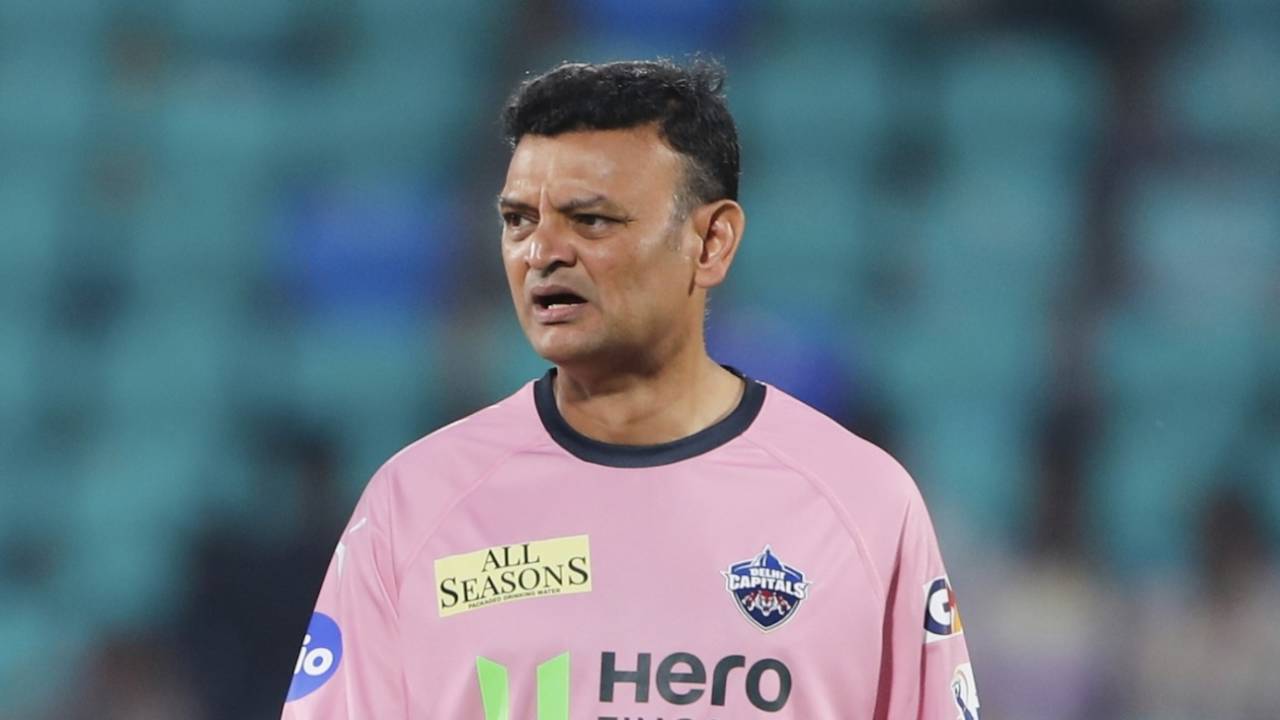
For any professional sports franchise, the home ground is meant to be a fortress—a place where the team understands every inch of the turf, the bounce of the ball, and the subtle nuances of the environment. However, for the Delhi Capitals (DC) in the 2026 Indian Premier League season, the Arun Jaitley Stadium has become anything but a comfort zone. Head coach Hemang Badani has been vocal about the team’s ongoing battle with the surface, eventually reaching a point where the squad treats their home matches as if they were playing on the road.
The Statistical Reality
The numbers paint a bleak picture of the Capitals’ performance in Delhi. With a record of just two wins in seven home games this season, the frustration emanating from the dressing room is palpable. Badani’s assessment is backed by a difficult run over the last two years: 12 matches at the venue have yielded only three victories, one of which was a tense Super Over. This inconsistency has forced the coaching staff to adopt a mindset of detachment regarding the home advantage.
The Challenge of Unpredictability
The primary grievance voiced by Badani is the lack of uniformity in the pitch preparation. Unlike other venues where teams can study the grass cover, texture, and color to predict how the ball will behave, the Arun Jaitley Stadium has offered a constantly shifting landscape. The Delhi Capitals have experienced the full spectrum of volatility—from being bowled out for a mere 75 runs to having their own high score of 264 chased down by opponents with ease.
Badani explained that the difficulty lies in preparation: “We don’t know how Pitch No. 4 will play, how Pitch No. 5 will play, or how Pitch No. 6 will play. We have played on three pitches and all of them have been different each time.” This unpredictability makes it nearly impossible for the coaching staff to structure the side effectively. In modern T20 cricket, success often hinges on knowing whether a par score is 180 or 250, but at their home ground, the Capitals feel as though they are walking into the dark every time they step onto the field.
Adapting to the Surface
Even during their recent victory over the Rajasthan Royals, the pitch provided a stern test. Badani noted that the surface became increasingly difficult as the ball aged, holding up and even exhibiting signs of reverse swing. The team had to adjust their game plan mid-match, prioritizing caution and taking the game deep rather than relying on a predetermined strategy. The Capitals were forced to “create the game” rather than simply executing a plan built on home-ground knowledge.
The Call for Consistency
When asked whether IPL franchises should have more autonomy in preparing their pitches to ensure a genuine home advantage, Badani was pragmatic. He argued that the priority should be consistency across the board. If the BCCI and the curators can provide a standard that allows teams to anticipate the playing conditions, the game becomes more tactical and less of a lottery. As it stands, the Delhi Capitals find themselves in a position where they have four wins in six away games, suggesting that the team is more than capable of succeeding when the conditions are somewhat readable.
Looking Ahead
As the playoff race intensifies, the Delhi Capitals continue to work hard to overcome their home discomforts. While they accept the reality of the “up-and-down” surface, there is no doubt that the lack of a familiar home advantage has been a significant hurdle in their 2026 campaign. For now, Badani and his squad are choosing to focus on what they can control, moving on from the frustrations of the pitch to ensure they remain competitive in the latter stages of the tournament. The management remains hopeful that, regardless of the pitch lottery, their tactical depth will see them through the remainder of the season.