Indian Domestic Cricket Season 2026-27: Duleep Trophy Kicks Off, Ranji in Two Phases
Indian Domestic Cricket Set for Grand Kick-off: Duleep Trophy to Start Season, Ranji in Two Phases for 2026-27
A Comprehensive Calendar for Indian Cricket
The Board of Control for Cricket in India (BCCI) has officially announced an expansive and meticulously planned domestic cricket calendar for the 2026-27 season. This upcoming season is poised to be one of the most significant yet, featuring an impressive total of 1788 matches spanning across various formats, age groups, and genders. This monumental undertaking reflects the BCCI’s unwavering commitment to nurturing talent and providing a robust competitive environment for cricketers nationwide. The season is slated to commence on August 23, promising months of exhilarating cricketing action.
The Prestigious Duleep Trophy to Open Proceedings
Kicking off the cricketing festivities will be the venerable Duleep Trophy, a tournament steeped in history and tradition. Scheduled to begin on August 23, the Duleep Trophy will bring together six zonal teams, each comprising some of the most promising and experienced cricketers from their respective regions. This multi-day format serves as an excellent platform for players to showcase their long-form skills and vie for national recognition, often considered a crucial stepping stone towards higher honours. The tournament’s early placement in the calendar ensures that players are match-ready and in peak form as the season progresses into more intense competitions.
Irani Cup: A Clash of Champions
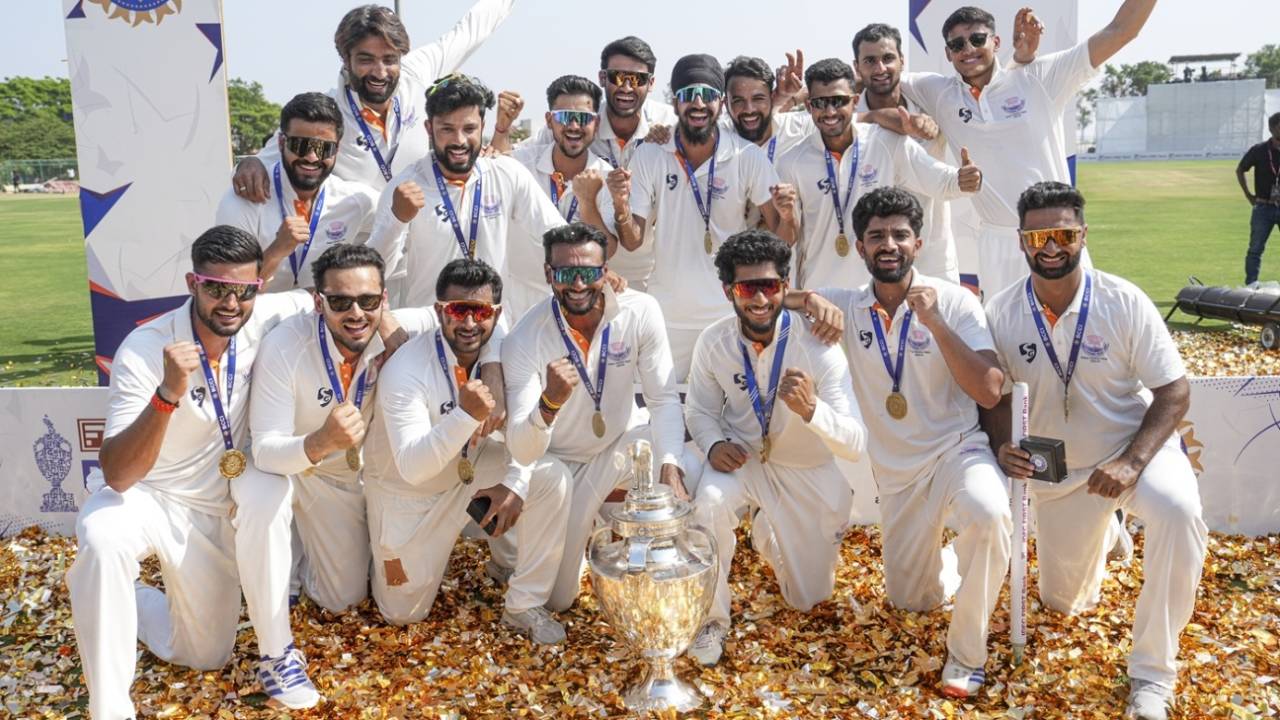
Following the conclusion of the Duleep Trophy, the cricketing spotlight will shift to the prestigious Irani Cup, scheduled to commence on October 1. This annual fixture pits the reigning Ranji Trophy champions against a formidable ‘Rest of India’ squad, comprising top performers from other domestic teams. For the 2026-27 season, the defending Ranji Trophy champions, Jammu & Kashmir, will have the honour of competing in this high-stakes encounter. The Irani Cup is not merely a contest for silverware; it offers an invaluable opportunity for players to test their mettle against a truly national selection of talent, often serving as a direct indicator of who is knocking on the doors of international cricket.
The Two-Phase Ranji Trophy: A Strategic Approach
Central to India’s domestic structure, the Ranji Trophy will once again adopt its popular two-phase format, a strategy implemented to manage the extensive schedule and logistical challenges. This format will also be replicated for the Under-23 Col CK Nayudu Trophy, ensuring consistency across key red-ball competitions. The Ranji Trophy will continue to feature 32 teams in the Elite group and six teams in the Plate group, fostering competitive balance and providing pathways for teams to ascend. The first leg of the Ranji Trophy is slated for October and November 2026, offering an initial burst of first-class cricket. Following a strategic break, the tournament will resume in January and conclude in February, allowing for optimal player recovery and avoiding peak winter conditions in certain regions.
This split scheduling also makes way for India’s premier white-ball tournaments. Nestled between the two phases of the Ranji Trophy will be the Syed Mushtaq Ali Trophy, the senior men’s T20 competition, and the Vijay Hazare Trophy, the senior men’s List A one-day tournament. This arrangement ensures a well-rounded season, providing players with ample opportunities to excel in all formats and allowing selectors to assess talent across different cricketing disciplines.
Empowering Women’s Cricket: A Dedicated Calendar
The 2026-27 season places a significant emphasis on the growth and development of women’s cricket in India, featuring a comprehensive and expanded domestic calendar. The women’s season will commence with the Senior Women’s T20 Trophy, scheduled for October and November. This will be followed by the Senior Women’s Inter-Zonal Trophy, providing a platform for inter-state rivalry and talent identification. The focus will then shift to the one-day format, with the Senior Women’s One-Day Trophy and the Senior Women’s Inter-Zonal One-Day Trophy both scheduled between December and February. This structured progression ensures continuous engagement and competitive exposure for women cricketers. Furthermore, the women’s age-group tournaments are set to run from November to January, ensuring a robust pipeline of young talent for the future.
Innovations for Emerging Talent and Format Adaptations
The upcoming season introduces several noteworthy additions and format changes designed to enhance the competitive platform for emerging cricketers. A significant new initiative is the match featuring the winners of the CK Nayudu Trophy against a ‘Rest of India’ squad. This fixture is specifically designed to provide an “enhanced competitive platform for emerging Under-23 cricketers,” offering them an invaluable opportunity to play against a high-calibre team and further hone their skills. This addition underscores the BCCI’s commitment to nurturing the next generation of Indian cricketing stars.
In a strategic move to align with modern cricketing trends, the Men’s Under-23 State A Trophy and the Vizzy Trophy, which caters to university teams, have both been converted from one-day formats to the more dynamic T20 format. This change reflects the growing prominence of T20 cricket and aims to better prepare young players for the demands of the shortest format, which is increasingly prevalent at both domestic and international levels.
Strategic Scheduling and Player Welfare
The BCCI has also demonstrated a proactive approach to scheduling, taking into account crucial factors such as weather conditions and player welfare. Recognizing the challenging weather in certain parts of the country during January, the Under-19 Cooch Behar Trophy (Elite group) will be played entirely in the more conducive climates of Bengaluru and Mysuru. This geographical shift aims to ensure uninterrupted play and optimal conditions for these crucial youth development matches.
Additionally, the Under-16 Vijay Merchant Trophy has been brought forward in the calendar, now scheduled to be played from November to January. This adjustment is intended to allow for “improved scheduling and player preparation,” ensuring that young cricketers have adequate time to recover, train, and perform at their best. These thoughtful adjustments highlight the BCCI’s holistic vision for domestic cricket, focusing not just on the quantity of matches but also on the quality of experience for all participants.
BCCI’s Vision for a Stronger Domestic Structure
In a statement released on Wednesday, the BCCI reiterated its core philosophy, stating, “The 2026-27 domestic season reflects the BCCI’s continued commitment to building a strong and competitive domestic structure while ensuring a balanced progression across formats and categories.” This declaration encapsulates the comprehensive nature of the upcoming season. From red-ball classics to white-ball thrillers, and from senior men’s and women’s competitions to vital age-group tournaments, the schedule is designed to create a vibrant cricketing ecosystem. By focusing on enhanced competition, player development, and strategic logistical planning, the BCCI aims to solidify the foundation of Indian cricket, ensuring a steady stream of talent for the international arena and sustaining the sport’s popularity across the nation.
Conclusion
The meticulously crafted 2026-27 domestic cricket season promises an exhilarating journey for players and fans alike. With the Duleep Trophy leading the charge, followed by the Irani Cup, the two-phase Ranji Trophy, and an invigorated women’s cricket calendar, alongside crucial age-group tournaments, Indian cricket is set for a period of intense and high-quality competition. The strategic adaptations, new initiatives, and careful scheduling underscore the BCCI’s dedication to fostering a robust and dynamic cricketing landscape, ensuring the sport continues to thrive and produce world-class talent for years to come.