Kathryn Bryce’s all-round effort takes Scotland to tri-series win and secures tournament victory
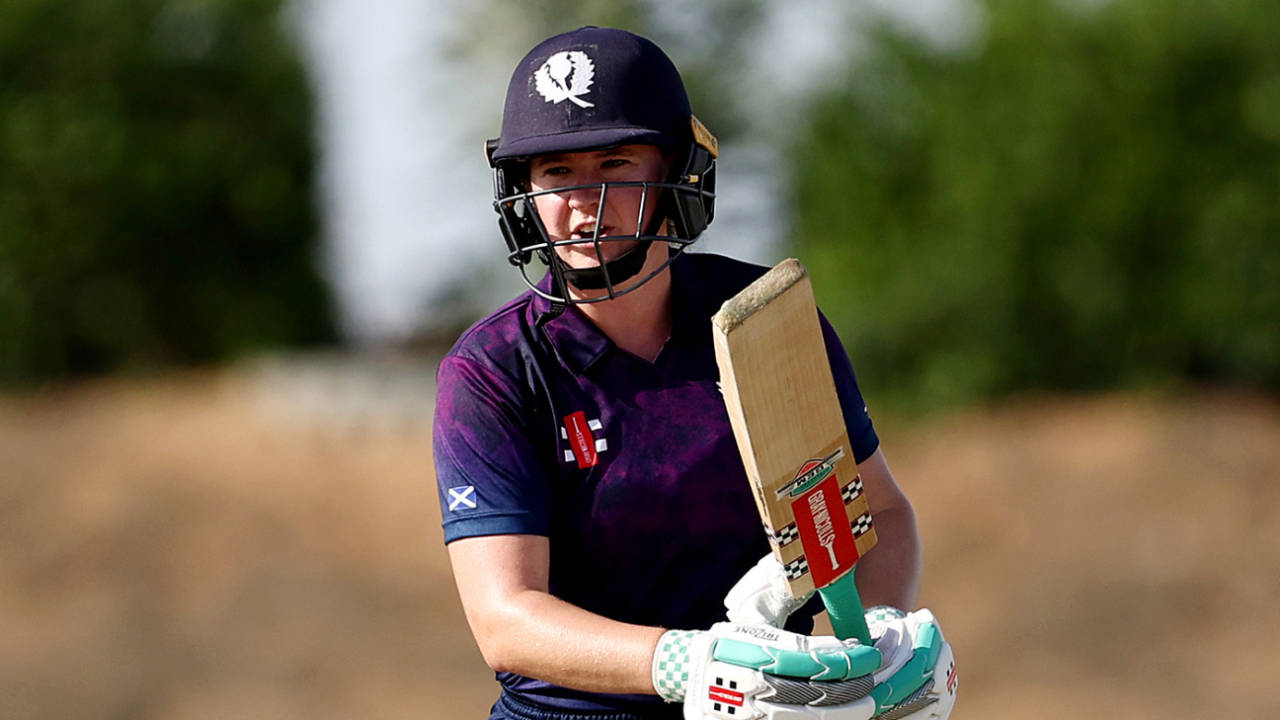
Scotland Clinch Tri-Series Title with Kathryn Bryce’s Masterclass
In a compelling display of cricket prowess and strategic brilliance, Scotland emerged victorious in the tri-series hosted on home soil, largely thanks to the exceptional all-round performance of their captain, Kathryn Bryce. The final decisive encounter against the Netherlands, a match significantly affected by adverse weather conditions in Edinburgh, saw Scotland secure a hard-fought 24-run win via the DLS method. This triumph not only sealed their third victory in four matches but also solidified their position as the undisputed table-toppers, showcasing the growing strength and resilience of Scottish women’s cricket.
The Crucial Context: Battling Elements and Opponents
The tri-series had been a testament to competitive spirit, and this particular fixture held immense significance for Scotland. A win would confirm their supremacy and underscore their consistent performance throughout the tournament. However, the capricious Edinburgh weather introduced an early challenge, causing a lengthy rain delay that tested the patience of players and officials alike. Once play finally commenced, the Netherlands, perhaps sensing an advantage in the truncated format, opted to bowl first, aiming to restrict the hosts and chase a manageable target.
Scotland’s Innings: A Display of Aggression and Calculated Risks
The reduced 12-over-per-side contest demanded an accelerated approach from the outset, and Scotland’s batters rose to the occasion, albeit after an early setback. The pitch, softened by the rain, presented its own unique challenges, but the Scottish lineup was determined to post a competitive total.
Early Stutter and Resilient Partnership
The innings began with an unfortunate turn for Scotland as opener Darcey Carter fell early in the second over, dismissed by Heather Siegers. This put immediate pressure on the Scottish batting lineup. However, any nerves were quickly settled by the experienced presence of captain Kathryn Bryce, who joined Katherine Fraser at the crease. This duo wasted no time in rebuilding the innings, forging a crucial 43-run partnership off a mere 24 balls. Their aggressive intent was evident, with a flurry of boundaries not only accelerating the scoreboard but also shifting the momentum firmly back in Scotland’s favour, demonstrating their ability to adapt and counter-attack under pressure.
The Bryce Sisters’ Dominance and a Commanding Total
The second-wicket stand was eventually broken in the sixth over by Caroline de Lange, but the momentum was sustained as Sarah Bryce walked in to join her sister. What followed was a masterful exhibition of partnership batting. The Bryce sisters, renowned for their synergistic play, compiled an impressive 58-run stand, showcasing excellent running between the wickets and well-timed aggression. Kathryn Bryce, leading from the front, played a captain’s knock, registering a brilliant 63 runs off just 33 deliveries before her dismissal. Her innings was punctuated by powerful strokes and intelligent placement, ensuring Scotland’s total surged past the 100-run mark. Ultimately, Scotland concluded their rain-reduced 12 overs with a formidable target of 125, setting a challenging chase for the Netherlands.
Netherlands’ Chase: Battling DLS and Scottish Bowling
Faced with a DLS-adjusted target of 105 runs from 10 overs, the Netherlands knew they needed a blistering start. The equation demanded nearly 10.5 runs per over from the very first ball, placing immense pressure on their openers and middle order. Scotland, buoyed by their strong batting performance, were eager to defend their total with tight bowling and sharp fielding.
Early Breakthroughs and Kathryn Bryce’s Crucial Impact
The chase began with a significant blow for the Netherlands. Skipper Kathryn Bryce, demonstrating her all-round capabilities, broke the opening stand in just the second over, claiming the vital wicket of Phebe Molkenboer. This early strike immediately put the Dutch on the back foot. The pressure mounted further when Olivia Bell continued the Scottish dominance, dismissing Heather Siegers in the very next over. These rapid breakthroughs were pivotal, severely hampering the Netherlands’ ability to establish any early rhythm or build momentum in their pursuit of the challenging target.
Kalis and de Leede’s Resilient Stand
Despite the early setbacks, Sterre Kalis and captain Babette de Leede initiated a determined rebuilding effort. They painstakingly constructed a 42-run partnership, attempting to stabilize the innings and bring the required run rate back within reach. Their resilience was commendable, as they tried to find the boundaries while also rotating the strike effectively. However, the persistent pressure from the Scottish bowlers, combined with the increasing DLS target, meant that every dot ball amplified the challenge. As the overs dwindled, the required rate began to climb inexorably, placing an enormous burden on the two set batters.
Tight Bowling Seals Scotland’s Victory
With the equation becoming increasingly steep, the Netherlands found themselves needing 34 runs from the final 12 balls – a daunting task against a disciplined Scottish attack. Chloe Abel delivered a crucial blow by breaking the partnership between Kalis and de Leede, effectively shattering the last vestiges of Dutch hope. From that point, the Scottish bowlers maintained relentless pressure, executing their plans with precision and restricting the scoring opportunities. Regular strikes and exceptionally tight bowling in the death overs ensured that the Netherlands could only muster 80 runs in their allotted 10 overs, falling 24 runs short of their DLS-adjusted target. The jubilant Scottish team celebrated a well-deserved victory, a testament to their collective effort and their captain’s inspiring performance.
Reflecting on Scotland’s Triumphant Series
The Significance of the Victory for Scottish Cricket
This tri-series win is more than just a trophy for Scotland; it represents a significant milestone in the development of women’s cricket within the nation. It underscores the talent, hard work, and strategic planning that has been invested in the squad. Winning a multi-nation series on home turf provides invaluable experience and a massive confidence boost, signaling Scotland’s potential to compete at higher levels in international cricket. It also serves as an inspiration for aspiring young cricketers across the country, highlighting the pathways available and the success that can be achieved through dedication.
Kathryn Bryce’s Exemplary Leadership and Performance
At the heart of Scotland’s success was Kathryn Bryce, whose leadership and all-round capabilities were truly exemplary. Her impactful innings of 63 runs provided the backbone of Scotland’s total, setting a challenging target under pressure. Crucially, she followed this up with an early wicket during the Netherlands’ chase, demonstrating her ability to influence the game with both bat and ball. As captain, her ability to inspire her teammates, make astute on-field decisions, and lead by example was instrumental in guiding Scotland to this triumph. Her performance showcased not only her individual brilliance but also her invaluable contribution to the team’s collective strength.
Building Momentum for Future Challenges
This tri-series victory provides excellent momentum for the Scottish women’s team as they look towards future international engagements. The experience gained from playing competitive matches, handling pressure situations, and ultimately emerging victorious will be vital for their continued growth. It reinforces the belief within the squad and among supporters that Scottish cricket is on an upward trajectory, capable of challenging and succeeding against strong opposition. The lessons learned and the confidence gained from this series will undoubtedly be carried forward, fuelling their ambitions for greater achievements on the global stage.