Nicholls fills New Zealand’s greatest shoes with composed comeback century
A New Chapter for the Black Caps
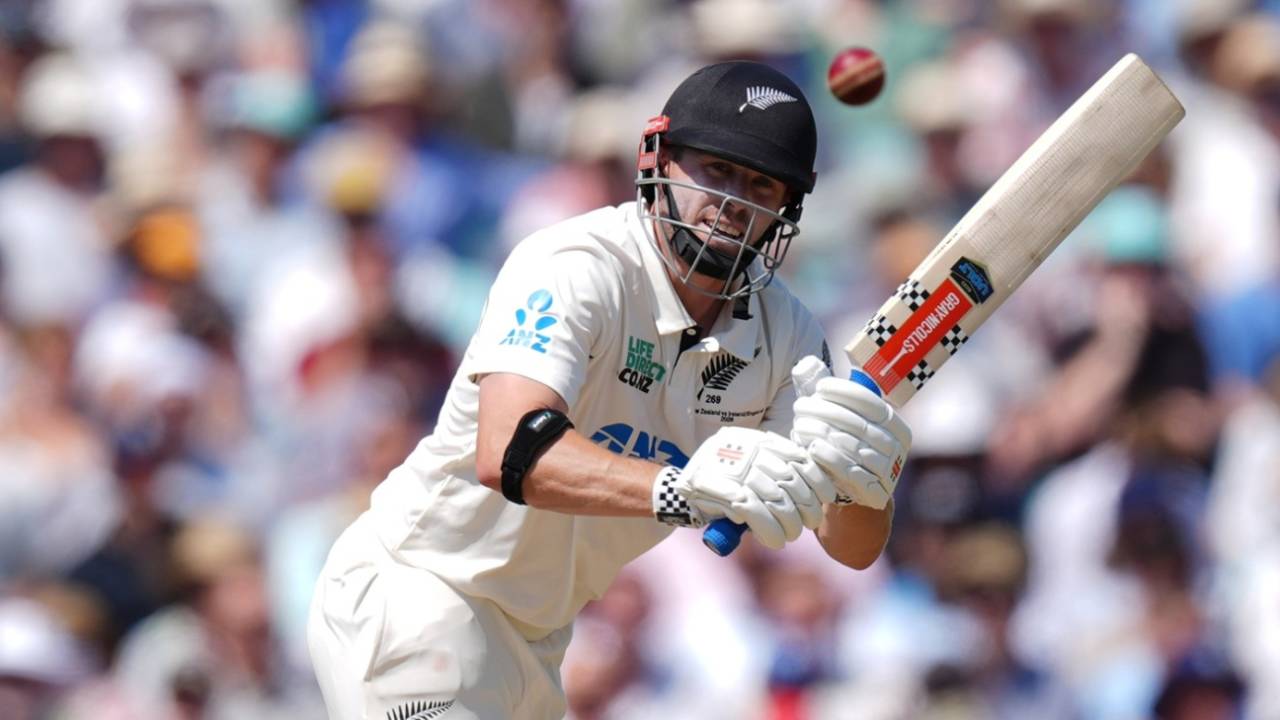
The landscape of New Zealand cricket shifted dramatically with the sudden mid-series retirement of Kane Williamson. For any player, stepping into the void left by the nation’s greatest modern batter is an unenviable task. Yet, Henry Nicholls took on the challenge with a blend of poise and technical mastery, anchoring the innings at The Oval with a brilliant, unbeaten 119 that silenced any doubts regarding his selection.
The Road Back to Form
Playing in only his third Test match since the start of 2024, Nicholls displayed the kind of clarity that only veteran experience can provide. At 34, he is playing what he describes as the best cricket of his life. This resurgence is not a product of luck but of sheer consistency at the domestic level. Nicholls entered this Test series fresh off a dominant 2025-26 Plunket Shield campaign, where he amassed 870 runs at an astonishing average of 96.66 across 11 innings.
His return to the international setup had been foreshadowed by a sparkling 150 not out against Zimbabwe last year, but delivering that same intensity against an England attack in the stifling heat of south London is a different proposition entirely. Nicholls navigated the challenge with professional composure, proving that his time away from the Test side had only sharpened his hunger.
Resilience and Team Culture
When asked about the pressure of replacing a legend like Williamson, Nicholls offered a refreshingly humble perspective. He admitted that the sheer stature of his predecessor actually acted as a release of pressure; he understood that he did not need to be Kane Williamson, he only needed to be Henry Nicholls. By focusing on building partnerships with the likes of Rachin Ravindra and Daryl Mitchell, he ensured the team remained in a commanding position.
Teammate Matt Henry, who put in a stellar performance of his own by claiming his first five-wicket haul against England, was quick to praise Nicholls’ character. According to Henry, the ability to block out external noise is a hallmark of the current Black Caps environment. “He’s shown for a long time his class,” Henry noted. “There’s always external noise, but it shows his resilience to block it out and just do what he needs to do for the team.”
Building on a Strong Foundation
The success of Nicholls and Henry underscores the robust nature of New Zealand’s domestic structure. The Black Caps have developed a culture where new or returning players rarely look out of place, a testament to the seamless transition from the Plunket Shield to the international arena. This cultural strength has allowed the team to remain competitive even when faced with the loss of their most senior figure.
As New Zealand continues to dominate at The Oval, holding a significant lead of 352 runs with seven wickets in hand, the team looks well-positioned to capitalize on a stellar day of cricket. Matt Henry’s recovery from back spasms that hampered his performance at Lord’s serves as another boost for the side, highlighting the efficacy of the support staff and the determination of the players to perform when it matters most.
Looking Ahead
Henry Nicholls has reminded the cricketing world that experience remains a vital asset in the longest format of the game. By anchoring the innings and guiding his teammates through crucial sessions, he has not only secured his place in the current lineup but has also provided the Black Caps with the stability needed to navigate a post-Williamson era. While no player can truly replace the impact of New Zealand’s greatest modern batter, Nicholls has proven that a composed, team-first approach can be just as effective in driving results.
As the match progresses, the narrative of this series will undoubtedly continue to evolve. However, for now, the focus remains on the resilience shown by the visitors and their ability to adapt under pressure—a trait that remains the cornerstone of the Black Caps’ success on the global stage.