NZ toast Gay wicket after Conway and Nicholls coax Latham into review
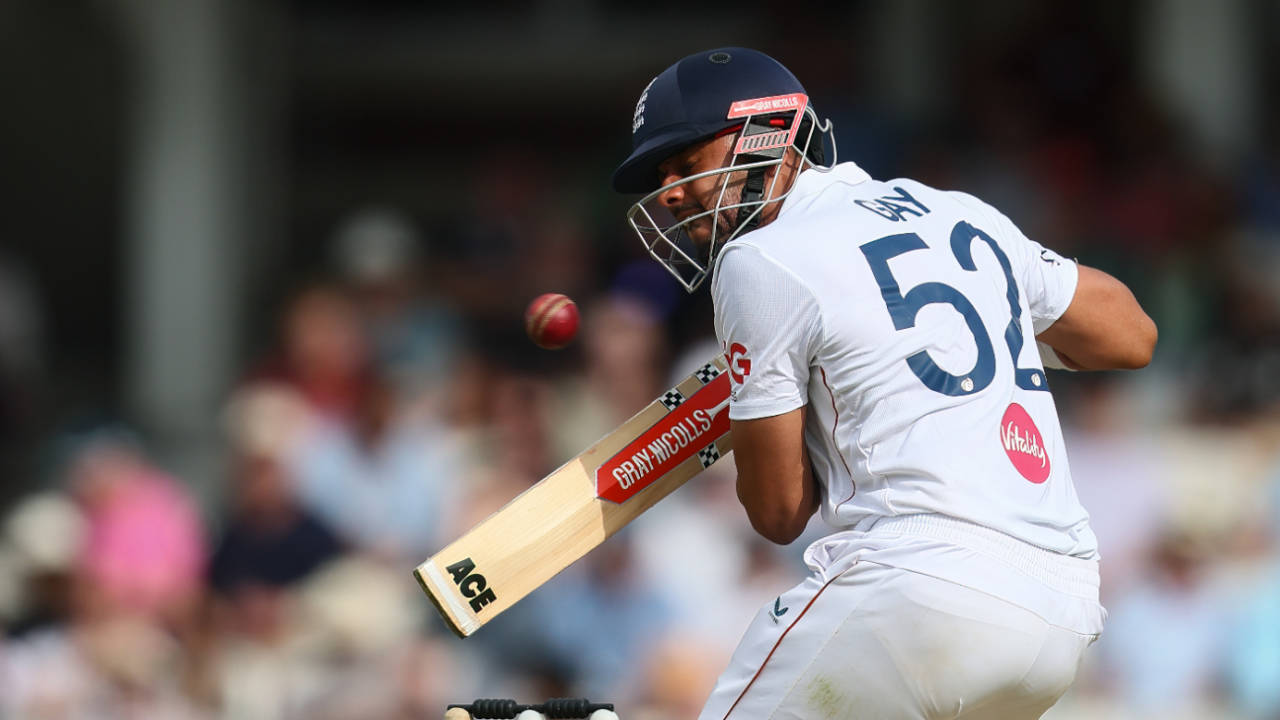
A Turning Point at The Oval
In the high-stakes environment of Test cricket, marginal calls often decide the fate of a match. During the second afternoon of the second Test against England at The Oval, spectators witnessed a quintessential example of how effective team communication can swing a game. The NZ toast Gay wicket after Conway and Nicholls coax Latham into review moment will likely be remembered as the catalyst that allowed the Black Caps to seize control of the proceedings.
Emilio Gay had been batting with composure, having just reached a gritty 112-ball half-century. The atmosphere was tense, and England looked to be building a solid foundation. However, the dynamics changed in an instant following a back-of-a-length delivery from Will O’Rourke.
The Decision That Changed the Game
Initially, the dismissal did not appear obvious. As Gay flinched, removing his top hand from the handle, O’Rourke did not appeal, and the wicketkeeper, Tom Blundell, alongside Daryl Mitchell at first slip, seemed unconvinced. Tom Latham, stationed at second slip, was visibly reluctant to challenge the umpire’s ‘not out’ call.
It was the intuition of Devon Conway and Henry Nicholls that proved decisive. Positioned in the gully and third slip respectively, they were adamant that they had heard a sound consistent with an edge. Their insistence eventually swayed Latham into calling for the DRS. The tension in the stadium was palpable, but as the technology took over, the result was clear: UltraEdge revealed a significant outside edge.
The Ripple Effect
The success of the review was not just about removing a set batter; it was about the psychological advantage it handed the visitors. The wicket of Gay acted as a floodgate. Shortly after, the New Zealand bowlers capitalized on the breakthrough, quickly dismissing star batters Joe Root and Harry Brook, putting England under immense pressure.
Glenn Phillips, reflecting on the incident from his position at backward point, noted the importance of trust among teammates. He explained that while players in the slips are often better positioned to hear faint edges, the decision to review is always a gamble. “Dev was probably the biggest advocate for it,” Phillips remarked. “The lads that were a bit more in-line saw that it was close to his batting gloves. It was worth the option and the risk to take that review. It paid off very nicely.”
Gay Reflects on a Missed Opportunity
For Emilio Gay, the dismissal was a source of deep frustration. Having performed well in the previous Test at Lord’s, he was eager to convert his start into a substantial score. “The dismissal I was disappointed with, especially getting a nice pull shot off him two balls before,” Gay admitted. “I just didn’t pick it up as well as I would have liked.”
Gay highlighted his recent success in domestic cricket, where he has been known for converting fifties into large scores. The inability to push on after reaching his half-century at The Oval left him reflective, though he remains focused on the second innings. “To go out there today and feel fairly good, but get a fifty and not convert it, I was disappointed with that,” he added.
Conclusion
Cricket remains a game of fine margins, and this incident highlights the value of having engaged, attentive fielders. By trusting the instincts of Conway and Nicholls, Latham was able to secure a wicket that changed the complexion of the Test match. As the game continues, New Zealand will look to build on this momentum, while England will be left wondering ‘what if’ regarding the dismissal that shifted the balance of power on the second afternoon.