Pakistan bowl; Australia bring in Zampa for Stanlake in Lahore ODI
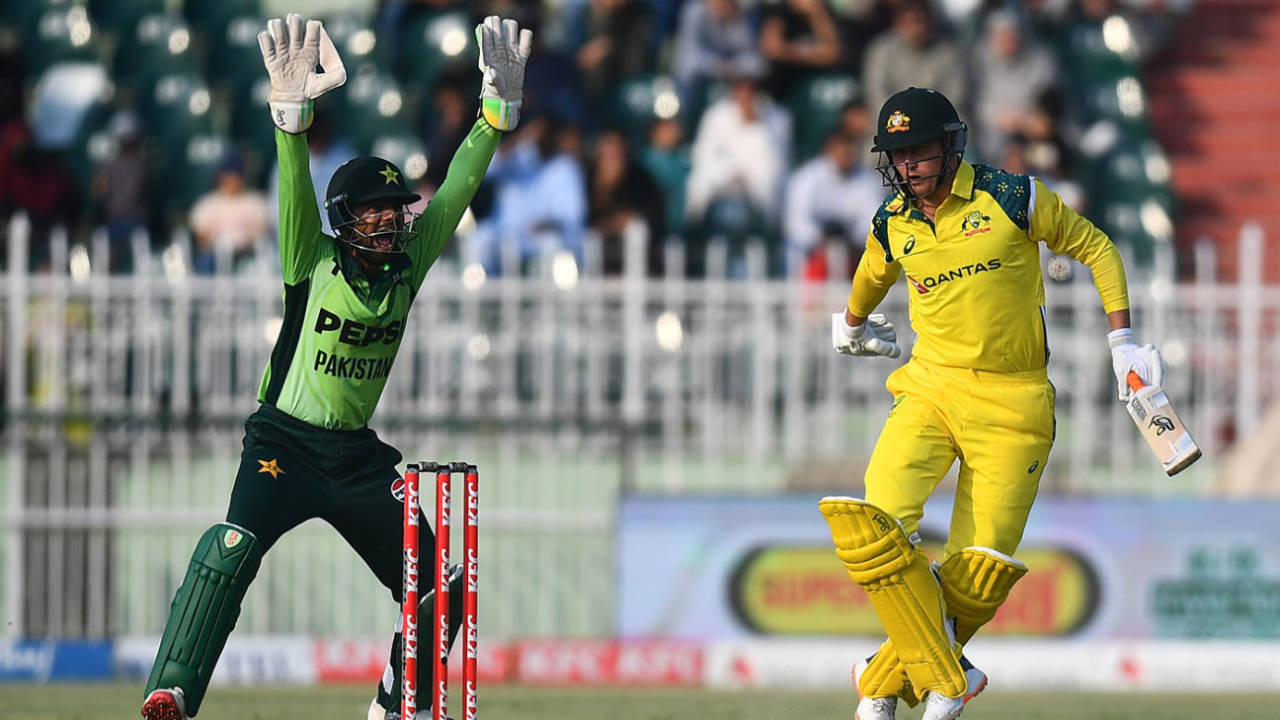
A Tactical Toss at Gaddafi Stadium
In a move that caught few by surprise, Pakistan won the toss and decided to bowl first against Australia in the second ODI of the ongoing series at the Gaddafi Stadium in Lahore. The decision reflects the strategic focus of the hosts, who are clearly looking to leverage home conditions to dictate the pace of the game. This marks the second consecutive match where Pakistan has chosen to chase, highlighting a consistent tactical approach designed to exploit the surface.
Spinning Tracks and Strategic Intent
The decision to field first was deeply influenced by the nature of the pitch. Captain Shaheen Shah Afridi confirmed that the surface had been specifically curated to favor spin bowling, providing the hosts with a calculated advantage. In line with this strategy, Pakistan maintained an unchanged XI, demonstrating confidence in their bowling lineup. Remarkably, the team is fielding four specialized spinners, complemented by only two fast bowlers, leaving little doubt about their intentions to stifle the Australian batting lineup through relentless spin.
Australia’s Response: Zampa Returns
Facing a 0-1 deficit in the three-match rubber, Australia is under significant pressure to prevent a third consecutive ODI series defeat to Pakistan. To bolster their chances, Australia reinforced their spin-bowling stocks by bringing in Adam Zampa to replace Billy Stanlake. Zampa, who was sidelined during the first ODI in Rawalpindi due to a neck spasm, returns to the side to provide the necessary variety to challenge the Pakistani batsmen on a turning track.
Australia captain Josh Inglis remained composed despite the challenging environment. Following a difficult outing on Saturday, where the team was bowled out for 200 in just 44.1 overs, Inglis emphasized the need for adaptability. “It’s not hogging our minds,” Inglis remarked at the toss regarding the nature of the pitch. “We have got to learn on the go and adapt quickly according to these conditions.”
Looking Toward the Future
The debate surrounding the nature of the pitches has been a talking point throughout the series. Pakistan head coach Mike Hesson defended the strategy on Monday, offering a broader perspective on the preparation. Hesson argued that the focus on spin is not merely a short-term home advantage but a forward-thinking move. He suggested that spin will play a critical role in the 2027 World Cup, which is set to be hosted by South Africa, Zimbabwe, and Namibia, and that players need to be exposed to these conditions now.
The Playing XIs
Both teams have finalized their lineups, with the focus firmly on spin and control:
- Pakistan: Sahibzada Farhan, Maaz Sadaqat, Babar Azam, Ghazi Ghori (wk), Salman Ali Agha, Abdul Samad, Shadab Khan, Arafat Minhas, Shaheen Shah Afridi (capt), Haris Rauf, Abrar Ahmed.
- Australia: Matt Short, Alex Carey, Josh Inglis (capt/wk), Matt Renshaw, Cameron Green, Marnus Labuschagne, Oliver Peake, Nathan Ellis, Matt Kuhnemann, Adam Zampa, Tanveer Sangha.
As the match unfolds, all eyes will be on how the Australian batting order handles the quartet of Pakistani spinners. With the series on the line, the tactical battle between the pitch curators and the visiting batsmen will likely define the outcome of this encounter. Pakistan’s bold decision to back their spin reserves underscores a high-stakes gamble that they hope will secure them a series-defining victory at home.