PCB Set to Drop Faheem Ashraf from Central Contract Amid Controversy
Contents
A Major Shift in Pakistan Cricket Governance
The Pakistan Cricket Board (PCB), under the leadership of Chairman Mohsin Naqvi, is currently undergoing a period of intense scrutiny and strategic restructuring. As the national team continues its challenging Test series against Bangladesh, reports indicate that the PCB is preparing to announce a significantly overhauled central contract list for the 2025-26 season. This administrative decision comes at a time when the board is prioritizing discipline and performance above all else.
The Faheem Ashraf Controversy
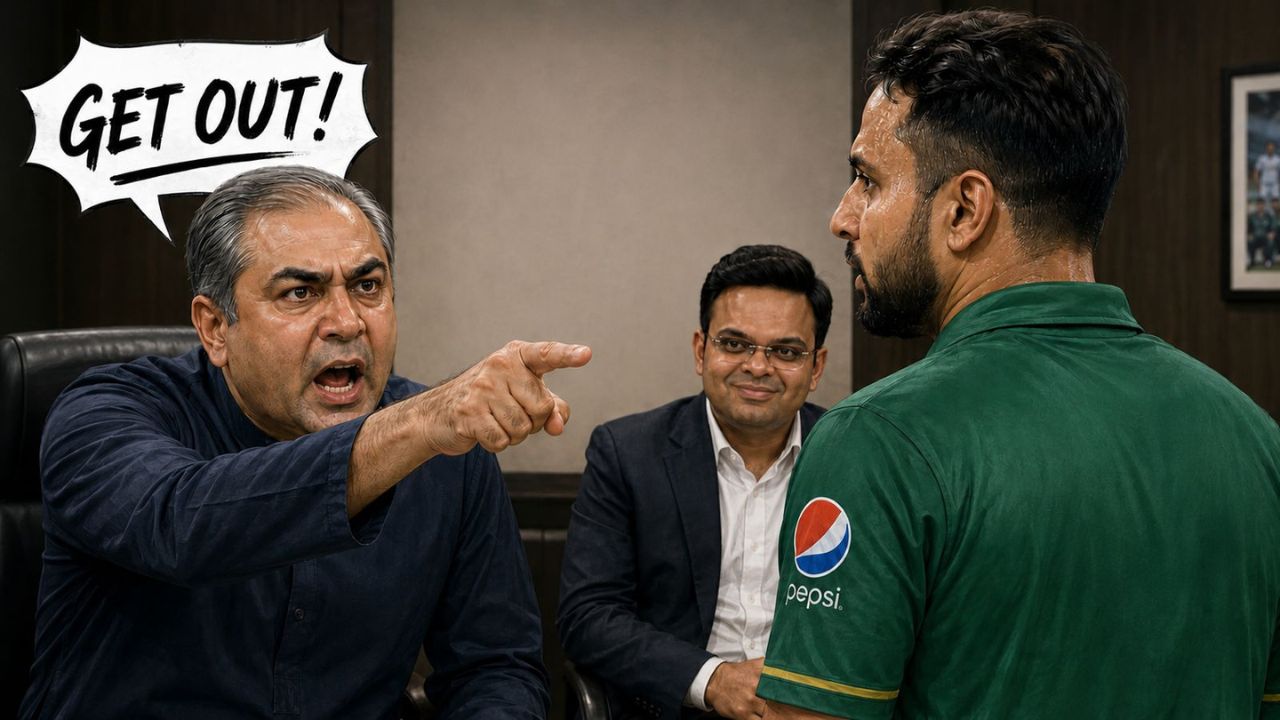
At the center of this impending decision is veteran all-rounder Faheem Ashraf. The cricketer has recently been at the heart of a major controversy, drawing significant backlash from the international sports community and the Indian cricket fraternity. The friction stems from a series of social media posts made by Ashraf concerning the Indian Army’s military operations, specifically referencing the mission known as ‘Operation Sindoor.’
Reports suggest that Ashraf’s decision to use his platform to mock the Indian military and glorify his country’s leadership has not sat well with the current PCB administration. The situation was further exacerbated when Ashraf posted artwork depicting a military operation that had been successfully neutralized by India’s defensive systems. These actions have been viewed by many as unprofessional and detrimental to the image of Pakistan cricket.
Performance Issues Compounding Problems
While the political controversy has certainly put a spotlight on Ashraf, his recent on-field performances have also failed to justify a guaranteed spot in the national setup. The PCB’s objective, as implied by the recent reporting from Geo Super, is to maintain a high standard for those who represent the country. When a player’s off-field conduct clashes with the expectations of the national board, and their on-field output is simultaneously inconsistent, the decision to exclude them from a central contract becomes inevitable.
Other Notable Exclusions
Faheem Ashraf is not the only player reportedly facing the exit. The PCB appears to be cleaning house, with several other senior names expected to be dropped from the central contract list:
- Mohammad Nawaz: Following a dismal T20 World Cup performance in Sri Lanka, where he managed only 15 runs and seven wickets across six matches, his place in the setup has become untenable.
- Abdullah Shafique: Once considered a bright prospect, his prolonged struggle with form has seen his stock fall significantly within the board.
- Hussain Talat and Khushdil Shah: Despite receiving multiple opportunities to prove their worth at the highest level, both players have failed to translate potential into consistent results, leading the PCB to look in different directions.
Looking Toward the Future: The Rise of Youth
While the board is cutting ties with underperforming senior players, there is a clear strategic move to reward emerging talent. The upcoming central contract list is expected to feature new faces who have demonstrated the grit and skill necessary for international cricket. Leading the charge are Azan Awais and Abdullah Fazal.
Azan Awais has quickly become a beacon of hope for Pakistan batting. His performance in the recent Test series against Bangladesh, where he joined an elite group of batters to score a century on their Test debut, solidified his position as a future core member of the team. Similarly, Abdullah Fazal has earned his stripes through sheer consistency, delivering successive fifty-plus scores that have caught the attention of the national selectors.
The inclusion of such players suggests a shift in the PCB’s philosophy under Mohsin Naqvi—a move away from relying on stagnant, underperforming seniors in favor of building a squad capable of competing on the global stage. As the official announcement date approaches, all eyes remain on the PCB headquarters to see how these sweeping changes will shape the future of Pakistan cricket in the years to come.