‘Every team prepares pitches that suit them’ – Shaheen defends Pakistan pitches – Shaheen Afridi Defends Pakistan Pitches: ‘Every team prepares pitches that suit them’
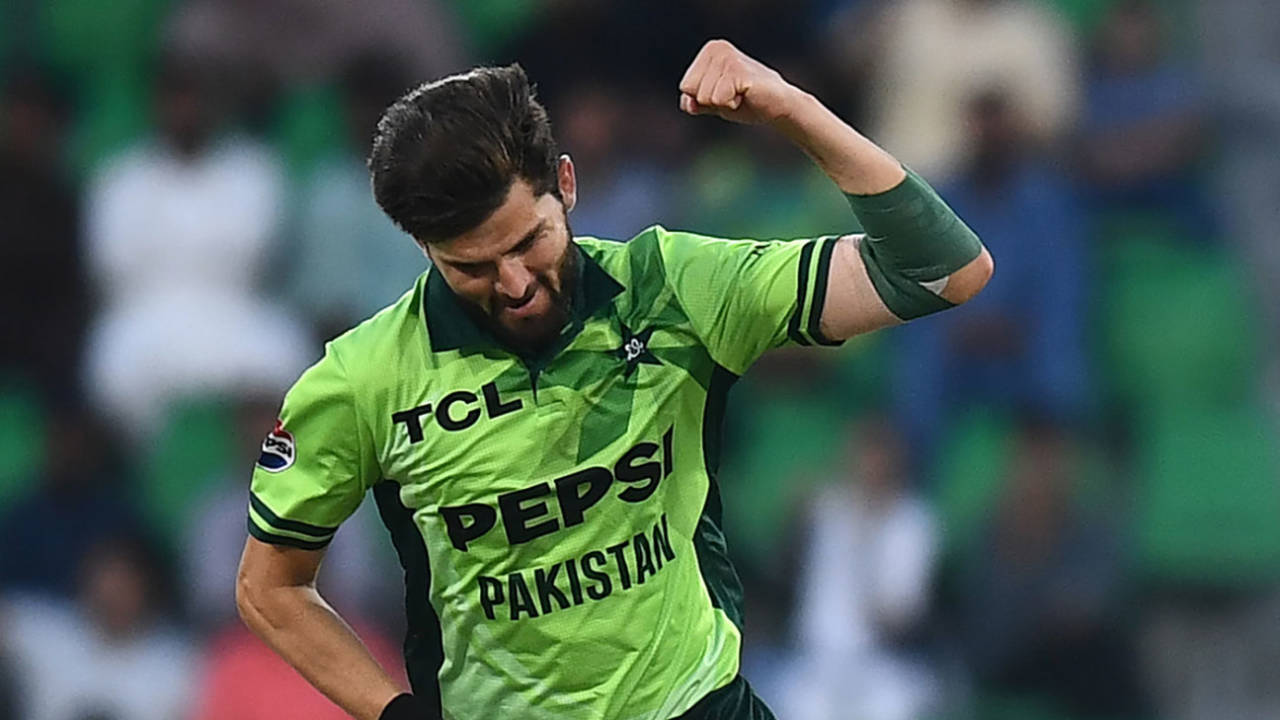
The recent three-match One Day International (ODI) series between Pakistan and Australia became a focal point not just for the cricket played, but for the fervent discourse surrounding the nature of the pitches. Pakistan, acting as the host, strategically prepared ‘square-turners’ across venues in Rawalpindi and Lahore. This deliberate choice aimed to leverage home conditions against an Australian side already diminished by the absence of several key players, ultimately securing a significant 2-1 series victory after a thrilling, low-scoring encounter at the Gaddafi Stadium.
However, the triumph sparked a widespread debate within the country: did this victory genuinely contribute to Pakistan’s preparations for the upcoming 2027 ODI World Cup? The quadrennial event is slated to be held in southern Africa, where conditions are traditionally expected to favor fast bowlers, a stark contrast to the spin-friendly tracks encountered by Australia.
The Strategic Defense of Home Pitches
Before the second ODI, Mike Hesson, a prominent voice in cricket analysis, took to social media to defend the Rawalpindi pitch. He argued that not all venues across South Africa, Zimbabwe, and Namibia consistently offer surfaces abundant with pace and bounce. Hesson reassured fans that the team was indeed preparing for a variety of conditions in the lead-up to the global spectacle. Following the series win, Pakistan’s captain, Shaheen Shah Afridi, emphatically backed his team’s approach, asserting their prerogative to craft conditions to their advantage.
“There are 15 months to the World Cup,” Shaheen stated. “Every team prepares pitches that suit them when they play in their backyard to win. We have Test series [in West Indies and England] in which some of these players will play and they can use them to prepare themselves [for the World Cup]. We played on green and bouncy pitches when we went to Australia under Mohammad Rizwan‘s captaincy and we won that series. You cannot offer them green wickets when they come here because we have to win.”
Afridi further elaborated on the challenging nature of the wickets, noting that scoring runs or spending time at the crease was far from easy. He reiterated that with sufficient time before the World Cup, the team would undoubtedly prepare pitches of varying characteristics to broaden their experience and readiness.
Nurturing Talent and Shadab Khan‘s Resurgence
Pakistan’s cricket think-tank has been actively focused on experimenting with young talent in bilateral series throughout the year. This strategy aims to build considerable depth in their player pool well in advance of the 2027 World Cup. This approach was evident in the three ODIs against Bangladesh preceding the Australia series, where six debuts were handed out. In the opening match against Australia in Rawalpindi, left-arm orthodox spinner Arafat Minhas made his ODI debut, marking a historic entry into international cricket.
Minhas began his ODI career with a record-breaking five-wicket haul, becoming the first Pakistani to achieve such a feat in their maiden appearance in the format. His exceptional all-round contributions throughout the series rightly earned him the Player of the Series award, highlighting a promising future for the young spinner. Despite this, no further debuts were made in the second and third ODIs, with Pakistan fielding the same side in all three matches, even as uncapped players like Ahmed Daniyal and Rohail Nazir warmed the bench.
The recall of Shadab Khan to the squad for these matches, his first in the format since the 2023 World Cup, generated considerable discussion. Shadab initially struggled with the ball in the first two matches, proving to be the most expensive bowler across both teams. However, he demonstrated remarkable discipline and control in the decisive final match.
It was with the bat, however, that Shadab truly showcased his maturity and importance to the team. In the second ODI, he crafted a vital 71 runs off 104 balls, keeping Pakistan’s hopes alive after Australia had decimated the host’s batting lineup to defend a target of 231 by 41 runs. His calm and composed unbeaten 29 runs off 42 balls in the crunch chase of 158 in the final match ultimately guided Pakistan over the finish line. This half-century in the second match was his first in four years, with his last coming against West Indies in Multan in June 2022.
Shaheen Afridi lauded Shadab’s pivotal role: “There were some players who got an opportunity in this series. We played the same team throughout the series, which has not happened for the last one year. It was good to see how Arafat Minhas bowled throughout the three matches and so was the case with Abrar [Ahmed], who also bowled a good spell today. But the biggest positive was Shadab Khan’s performance. Everyone questioned why he was getting opportunities regularly. But, I feel, it is only mature players who can win you such [close] matches in tough conditions. He bowled with control and took two wickets.”
Looking Ahead: International Schedule
Pakistan now enjoys a rare month-and-a-half break before embarking on their Test tour of the West Indies. Following this, they will travel from the Caribbean to England for a three-Test series. Later in the year, expected in October-November, Pakistan is set to host Sri Lanka for a comprehensive tour. This busy schedule indicates that Pakistan’s next white-ball matches are not anticipated until these later tours, allowing the team to focus on the longer format and further strategic planning for future limited-overs assignments.