Why Mohammad Amir Will Likely Never Play in the IPL
The IPL Ambition vs. Reality
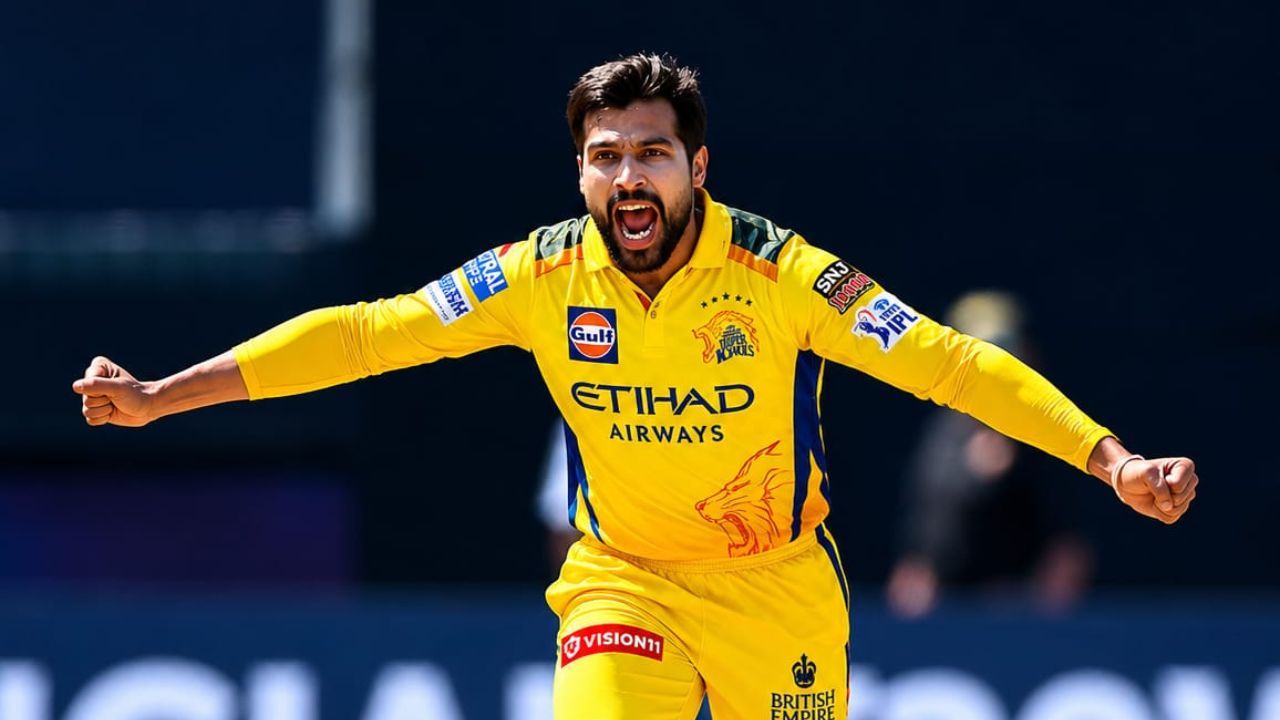
The cricketing world was recently sent into a flurry of speculation when news broke that veteran pacer Mohammad Amir had acquired British nationality. With this legal status, the doors to the Indian Premier League (IPL) appeared to be slightly ajar for the first time in over a decade. Fans were quick to dream of seeing the left-arm quick steaming in for their favorite franchises, bringing his wealth of experience to the most competitive stage in T20 cricket. However, a deeper analysis reveals that his path to an IPL contract is blocked by obstacles far more significant than mere visa requirements.
The Geopolitical Standoff
The primary hurdle remains the complex geopolitical relationship between India and Pakistan. Since 2008, following the Mumbai terror attacks, Pakistani players have effectively been barred from the IPL. While the tournament has occasionally seen players of Pakistani origin feature via third-country passports—such as Azhar Mahmood—the current climate is significantly more rigid. Mohammad Amir’s case is complicated by his recent international commitments; he represented Pakistan in the 2024 T20 World Cup and participated in the 2026 Pakistan Super League for Rawalpindi. Given these strong, active ties to Pakistan cricket, it is highly improbable that the BCCI would waive the unwritten policy that excludes players with such deep-rooted recent national associations.
The Risk of Public and Media Backlash
Beyond the diplomatic sensitivities, there is the issue of brand security for IPL franchises. The league is a massive commercial machine that relies heavily on image and sponsor stability. Mohammad Amir’s career has been marked by significant controversies, and in the current climate, any franchise signing him would face intense scrutiny. Unlike Azhar Mahmood, who entered the league with a lower public profile, Amir is a household name with a complicated legacy. The backlash surrounding the recent signing of Abrar Ahmed by the Sunrisers Leeds franchise for The Hundred 2026 serves as a clear warning: fans and media in this digital age are quick to voice disapproval, and the risk to an IPL team’s reputation is likely considered too great by owners and sponsors alike.
Performance Metrics and Aging Roster Dynamics
Setting aside the political and social issues, there is the cold, hard reality of professional sports: performance. Mohammad Amir is approaching the later stages of his career, and by the next IPL season, he will be 35 years old. The IPL is notoriously unforgiving, demanding peak fitness and consistent, high-impact performances. Franchises generally prioritize younger, high-velocity talent or proven performers who are currently dominant on the global stage. Amir’s recent outings in various leagues, including the BPL and CPL, have failed to suggest that he possesses the game-changing lethality required to occupy a precious overseas slot. When teams invest in international players, they look for elite-level efficiency; investing in an aging pacer who is no longer competing at the international level is a gamble that few, if any, franchises are willing to take.
Conclusion
While the acquisition of British nationality is a significant life milestone for Mohammad Amir, it is not a golden ticket to the IPL. The combination of historical exclusion policies, a volatile political environment, the potential for severe public backlash, and the natural decline in form that accompanies a long career makes his participation effectively impossible. For now, the IPL will continue to operate under its existing parameters, and the prospect of seeing Mohammad Amir in an IPL jersey remains a fantasy rather than a looming reality.