5 Reasons Why Mumbai Indians Must Move On From Hardik Pandya Before IPL 2027
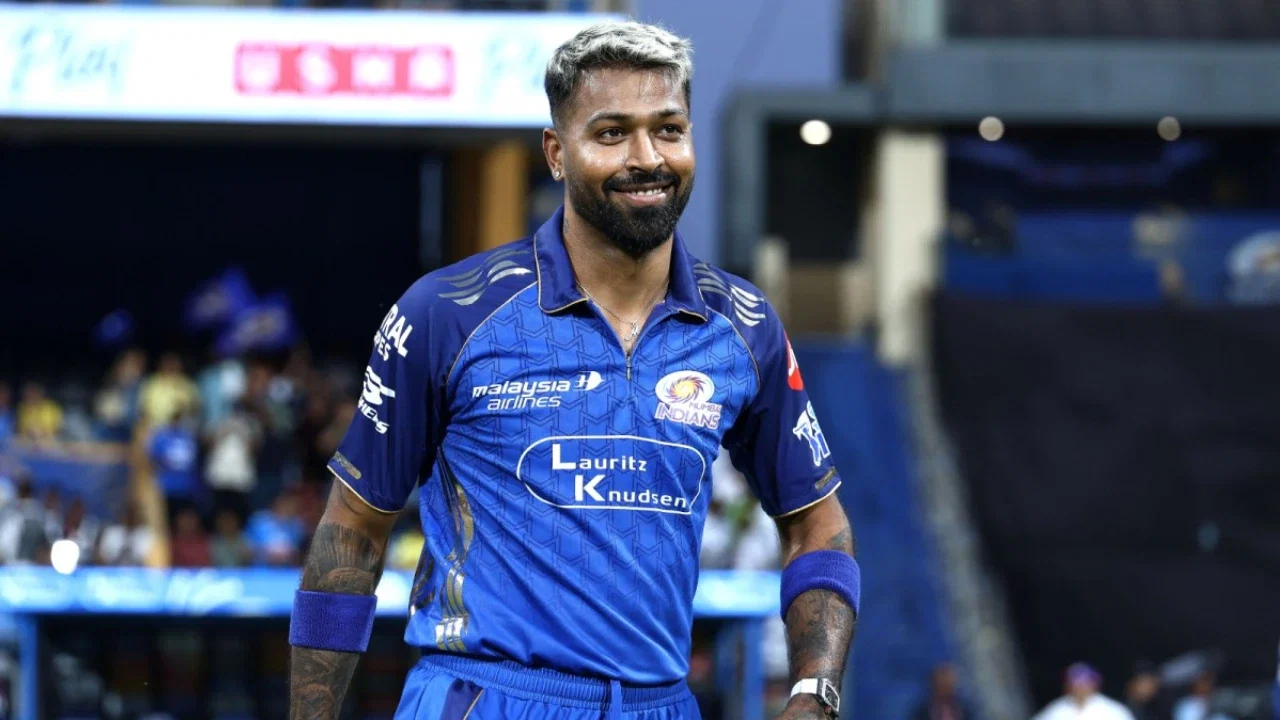
The Crisis at Wankhede: A Franchise in Freefall
The Mumbai Indians (MI), once the gold standard for success in the Indian Premier League, are currently enduring one of the most turbulent periods in their storied history. The five-time champions have devolved from a tactically astute powerhouse into a fractured unit, both on and off the field. With their official elimination from the IPL 2026 playoff race following a heartbreaking defeat to Royal Challengers Bengaluru, the post-mortem has begun. At the center of this storm is Hardik Pandya, whose return as captain has coincided with three seasons of regression and internal instability.
1. The Erosion of Team Unity
Perhaps the most concerning aspect of the current MI setup is the reported fracture within the dressing room. Since the contentious leadership transition in 2024, the team has lacked the cohesive identity that defined the Rohit Sharma era. Reports suggest a divide, with factions emerging that do not align with the current skipper’s philosophy. A championship team thrives on collective belief; unfortunately, the visual evidence of frustration and disconnected body language during matches suggests that the bond holding the squad together has effectively shattered.
2. Diminishing Returns with Bat and Ball
Hardik Pandya’s individual statistics since his return to the Mumbai Indians are deeply alarming. Once considered India’s premier multi-dimensional asset, his impact has waned significantly. In 2024, he managed only 216 runs, followed by 224 in 2025, and a meager 146 in the ongoing 2026 season. His bowling figures are equally troubling: an economy rate that has ballooned to 11.90 in 2026, paired with an average of 61.50 per wicket. The ₹16.35-crore investment is no longer yielding the match-winning performances required from a leader.
3. Tactical Inflexibility and Poor On-Field Decisions
Under Pandya’s stewardship, the Mumbai Indians have struggled with fundamental cricket execution. Poor bowling rotations, questionable field placements, and an inability to read changing conditions at the Wankhede Stadium have become systemic issues. The team has looked out of rhythm, losing four games at their home fortress during the 2026 campaign. Critics point to the skipper’s lack of calm under pressure as a primary reason for the team’s failure to close out tight encounters, a stark contrast to the tactical masterclasses fans were accustomed to in the past.
4. The Fan Sentiment and Brand Damage
The replacement of Rohit Sharma as captain triggered an immediate and vocal backlash from the fanbase. This public dissatisfaction—manifesting as boos and persistent social media criticism—has placed immense pressure on Pandya. While professional athletes are often expected to perform under scrutiny, the sheer scale of the negative sentiment has clearly impacted the team’s atmosphere. For a brand as massive as MI, the alienation of its core supporter base is a critical business and sporting risk that cannot be ignored heading into the 2027 mega auction.
5. The Availability of Superior Alternatives
The final reason to move on is the availability of more suitable leadership profiles within the current roster. Jasprit Bumrah stands out as the ideal candidate to restore stability. Known for his intelligence, calm demeanor, and immense respect among peers, he represents the continuity and integrity the franchise desperately needs. Alternatively, Suryakumar Yadav, a proven leader on the international stage with T20 World Cup and Asia Cup titles to his name, offers a modern, high-energy approach. For a long-term vision, Tilak Varma has emerged as a composed, highly intelligent option who understands match scenarios with a maturity beyond his years.
Conclusion: A Necessary Reset
The experiment with Hardik Pandya as the face of the franchise has, by almost every metric, failed to produce the desired outcomes. As the Mumbai Indians prepare for the 2027 mega auction, the management must prioritize the restoration of team culture and tactical excellence. Whether through a change in captaincy or a complete transition, the path forward must be one that returns the Mumbai Indians to their status as the smartest, most united, and most successful team in the IPL.