Jay Shah Orchestrates India-Pakistan ICC Mission to Stabilize Sri Lanka Cricket
Contents
A Diplomatic Initiative in Uncharted Territory
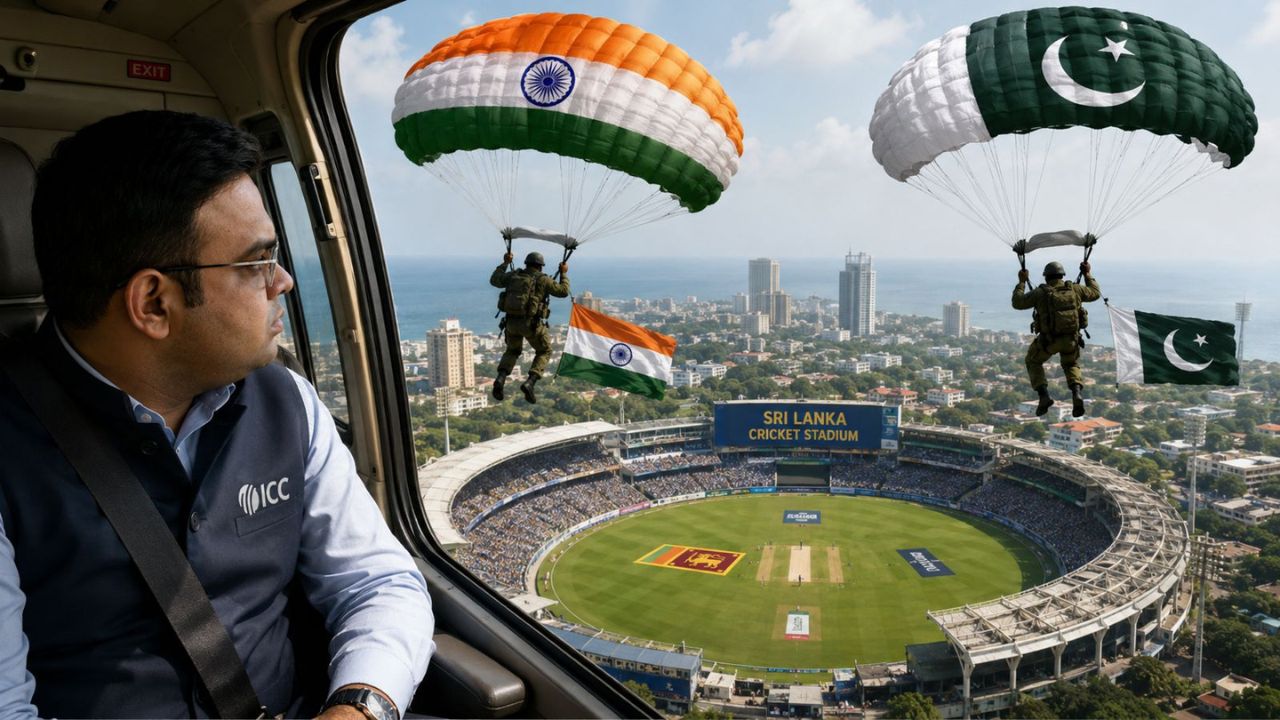
In a move that transcends traditional sporting rivalries, the International Cricket Council (ICC), under the leadership of Chairman Jay Shah, has launched a high-level intervention to resolve the escalating administrative crisis within Sri Lanka Cricket (SLC). This mission is particularly notable for its composition, as it brings together senior officials from the Board of Control for Cricket in India (BCCI) and an ICC deputy chairman of Pakistani origin to form a unified front for the sake of the game.
The Catalyst: A Disastrous T20 World Cup Campaign
The urgency of this mission stems from the national team’s humiliating performance during the T20 World Cup 2026. Despite the advantage of playing on home soil, the Dasun Shanaka-led side suffered three consecutive defeats in the Super 8 stage, resulting in an early exit that sent shockwaves through the nation. The fallout was immediate, with head coach Sanath Jayasuriya stepping down and the local cricketing community demanding accountability for the failure.
Government Intervention and the Resignation of Shammi Silva
The aftermath of the tournament saw significant friction between the Sri Lankan government and the cricket board. Following intense discussions with President Anura Kumara Dissanayake, SLC president Shammi Silva opted to resign from his position. This power vacuum prompted the country’s sports minister, Sunil Kumara Gamage, to establish an interim governing body known as the Cricket Transformation Committee.
This nine-member panel, tasked with implementing structural reforms to ensure fairness and grassroots stability, features legendary figures such as Kumar Sangakkara, Sidath Wettimuny, and Roshan Mahanama. However, the appointment process itself—led by opposition politician Eran Wickremaratna—has caused friction with the ICC, as the government did not formally consult the global body before establishing the interim panel.
The ICC Mission: Bridging Divides for Stability
To navigate the complex legal landscape of Sri Lanka—where a 1973 sports law theoretically permits government intervention—the ICC has taken a proactive stance. The delegation aims to assess the governance structure and guide the transition toward democratic elections for the SLC board.
The inclusion of Imran Khawaja, a senior Pakistan-origin administrator, working alongside a senior representative from the BCCI, highlights a rare moment of cooperation between the two cricketing powerhouses. This collaboration is designed to signal to all stakeholders that the restoration of institutional integrity is the sole priority. As the delegation arrives in the island nation, the primary goal remains clear: to reconcile the government’s desire for reform with the ICC’s strict mandate against political interference in sporting affairs.
Challenges Ahead
The road to stability is fraught with hurdles. While the Sri Lankan government has provided assurances that a new administration will be appointed through formal elections, the current tension regarding the legality of the Cricket Transformation Committee remains a concern. The ICC’s mission is now focused on ensuring that the proposed reforms align with international standards while respecting the local administrative requirements.
As the cricketing world watches, the success of this mission could serve as a blueprint for how the global game handles internal governance crises in the future. By placing administrators from across the subcontinent at the center of this dialogue, Jay Shah’s ICC is making a bold statement that the health of the game in Sri Lanka is a collective responsibility that transcends borders.