Rishabh Pant Explains Shocking Decision to Not Bat Against CSK in IPL 2026
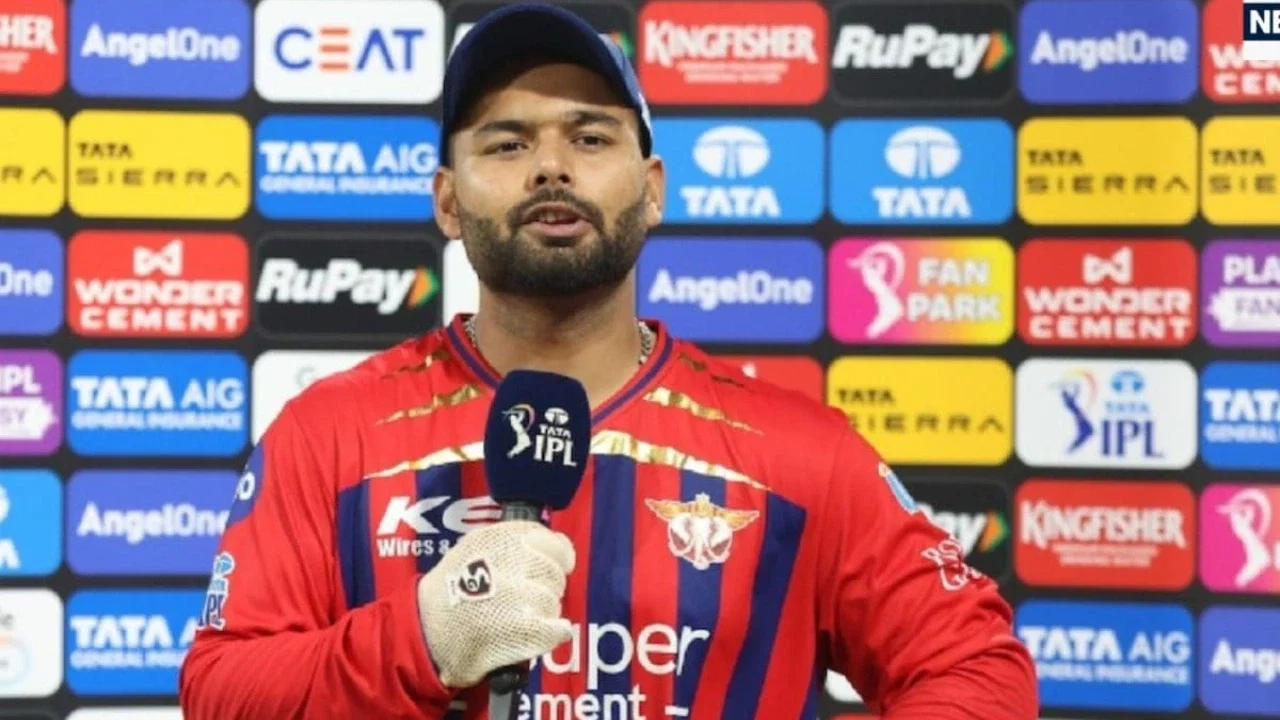
The cricketing world was left in a state of bewilderment following Lucknow Super Giants (LSG) captain Rishabh Pant‘s unexpected decision to not bat during his team’s dominant chase against Chennai Super Kings (CSK) in an IPL 2026 fixture. The match, held on Friday (May 15) in Lucknow, saw LSG secure a comfortable victory, yet the absence of their formidable captain at the crease became the primary talking point. Pant, known for his aggressive batting and ability to finish games, had been fully padded up and ready in the dugout, making his non-appearance even more perplexing.
This surprising move came at a time when Pant had reportedly been struggling with his form throughout the season, leading many to believe he would seize any opportunity to spend time in the middle and regain his rhythm. The situation was ripe for his intervention, but the LSG skipper chose a different path, a decision that ignited a flurry of speculation among fans, pundits, and former cricketers alike.
Contents
The Unfolding Drama at Ekana Stadium
The match itself had unfolded favorably for the Lucknow Super Giants. Chasing a competitive total set by CSK, LSG’s opening pair, comprising the explosive Mitchell Marsh and the steady Josh Inglis, laid a solid foundation. Marsh, in particular, was in blistering form, smashing 90 runs off 30 balls, while Inglis contributed a valuable 36 off 32 deliveries. Their spectacular 135-run partnership off only 70 balls put LSG firmly in the driver’s seat, cruising towards victory. With such a strong start, expectations were high for the captain, Rishabh Pant, to walk in after Inglis’s dismissal and guide his side over the finish line with his characteristic flair.
However, what transpired next defied conventional cricketing wisdom and caught everyone off guard. Instead of Pant making his way to the crease, Nicholas Pooran was sent in. Following Pooran, Abdul Samad and Mukul Choudhary were given opportunities to bat. Even as wickets fell and the game progressed, Pant remained in the dugout, watching his teammates comfortably complete the chase with seven wickets in hand and a significant 20 balls to spare. The question on everyone’s lips was clear: Why did the captain, a significant investment for the franchise at ₹27 crore, not participate in the chase?
Rishabh Pant Breaks His Silence
Days after the match, Rishabh Pant finally addressed the controversy, offering a candid explanation for his absence from the batting lineup. In an official statement, Pant admitted that he was indeed prepared and eager to bat, expressing his personal desire to be out on the field. However, he clarified that he ultimately had to respect and abide by the decision made by the team management.
Speaking at the post-match presentation, as quoted by Cricbuzz, Pant elaborated on the strategic thinking behind the move: “I was ready to bat, and the idea came up. I was in the dressing room, and the idea came in like, why not try players who have not played much? They haven’t gotten much chance. And that was the idea. I was thinking again and again, should I do it or not? Because I still wanted to be out there in the field, but sometimes you have to respect the think tank’s decision. So that’s the thing.”
The Rationale: Giving Opportunities
This statement sheds crucial light on the internal dynamics and strategic approach of the Lucknow Super Giants. Pant’s revelation indicates a conscious effort by the team management to provide exposure and match practice to players who had not received sufficient opportunities earlier in the IPL 2026 season. In the high-pressure environment of the Indian Premier League, where every match is critical, such a decision, especially involving a key player like the captain, highlights a long-term vision for squad development and depth. It speaks to a philosophy of building a versatile team where every player is match-ready, rather than relying solely on established stars, particularly when a victory seems assured.
The decision to hold Pant back, even when he was fully ready, underscores the trust placed in the other batsmen and a commitment to player rotation. This strategy, while potentially risky in closer contests, allows players like Pooran, Samad, and Choudhary to gain crucial experience and confidence under match conditions, which could prove invaluable in later stages of the tournament or future seasons. It is a testament to a broader team objective that sometimes transcends individual aspirations or immediate form concerns.
Challenges and Strategic Evolution
Beyond the immediate match decision, Rishabh Pant also touched upon the broader strategic planning for LSG in IPL 2026 and the difficulties encountered in implementing it. He revealed that the initial plan for the season was to utilize two overseas batters to open the innings, with Nicholas Pooran slated to bat at number three. This top-heavy approach aimed to maximize their international batting prowess early in the innings.
However, Pant lamented that this original strategy could not be consistently implemented due to a combination of factors, including player injuries and inconsistent performances. “See, definitely that was the first thought. That is getting two overseas players to open the innings and Nicky (Pooran) batting at three. That was the idea. Sometimes it’s difficult when a thought process is not being implemented all the time. But at the same time, we take pride, and we are confident as a team,” Pant explained. This candid admission highlights the dynamic and often unpredictable nature of T20 cricket, where initial plans frequently need to be adjusted in response to unfolding circumstances.
The LSG captain further hinted at the complexities of managing a high-performance sports team, suggesting that handling diverse opinions within the team setup added to the challenges faced throughout the season. He concluded his statement with a poignant observation about internal cohesion: “The only thing that can harm us is having too many thought processes.” This remark offers a rare glimpse into the internal discussions and strategic debates that occur within a professional cricket franchise. It underscores the importance of a unified vision and clear communication to ensure that all members of the ‘think tank’ are aligned, preventing potential conflicts or indecision that could impact team performance.
Rishabh Pant’s comprehensive explanation clarifies a moment that puzzled many, transforming a seemingly strange tactical choice into a strategic decision rooted in squad management and long-term planning. His willingness to respect the team’s collective wisdom, even when his personal inclination differed, speaks volumes about his leadership and dedication to the Super Giants’ overarching goals. As the IPL season progresses, such insights into team strategy offer a fascinating perspective on the intricate world of franchise cricket, where balancing individual brilliance with collective objectives is paramount.