CSK Fans Furious: Ruturaj Gaikwad Criticized for Slow Strike Rate vs SRH
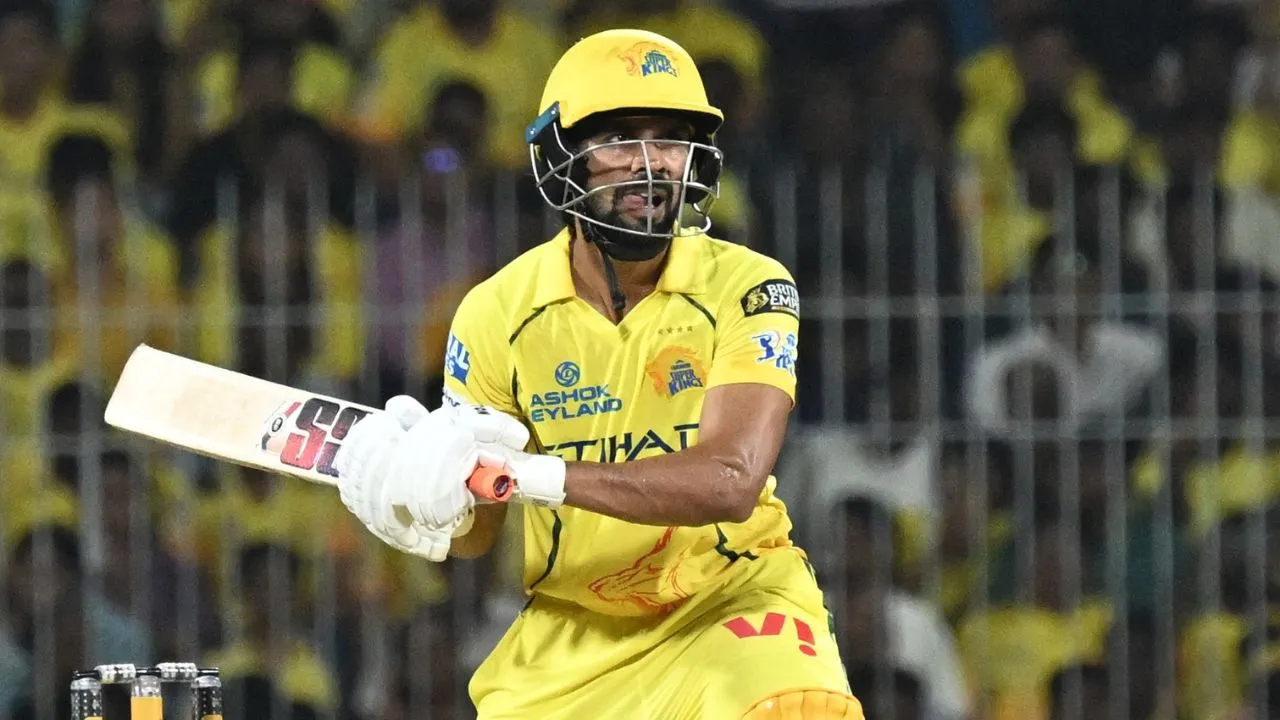
A Troubling Trend: The Ruturaj Gaikwad Conundrum
In the high-stakes environment of the TATA Indian Premier League 2026, consistency is the currency of success. However, for Chennai Super Kings (CSK) skipper Ruturaj Gaikwad, the current season has become a source of growing frustration. During Match 63 at the iconic MA Chidambaram Stadium in Chennai, the Men in Yellow found themselves in a familiar predicament, as their captain struggled to find his rhythm against the Sunrisers Hyderabad (SRH).
The Match Context
Winning the toss, Gaikwad elected to bat first on a surface that appeared dry and likely to slow down as the game progressed. With the expectation of assistance for spinners, the strategy seemed sound in theory. Yet, the execution failed to translate into the aggressive T20 approach required in modern cricket. Despite a vibrant start provided by Sanju Samson, who scored 27 off 13 balls, the momentum stalled as the skipper failed to anchor the innings with any meaningful intent.
Gaikwad’s performance was notably static. Facing 21 deliveries, he failed to strike a single boundary, eventually falling to Pat Cummins for just 15 runs. Cummins, who proved to be the nemesis for the CSK batting lineup, accounted for three wickets in a masterclass of controlled bowling.
Fan Outcry and Comparison
The aftermath of the innings on social media was swift and unforgiving. Fans, accustomed to the clinical efficiency synonymous with the CSK brand, did not hold back. Comparisons were drawn to Ajinkya Rahane’s previous struggles, with many supporters expressing disbelief at the lack of urgency shown by the captain. One fan famously remarked, “Just when I thought no one could be worse than Ajinkya Rahane, I watched this Ruturaj Gaikwad knock.”
The sentiment across digital platforms was one of deep disappointment. Many pointed out that while other teams are setting record-breaking scores in the 2026 campaign, CSK’s batting lineup appears to be stuck in a defensive mindset. Critics noted the irony of the situation, with some fans sarcastically labeling his slow pace as a “Dhoni-coded” tribute, while others demanded immediate leadership changes and a reshuffle in the playing XI.
Technical Concerns and Coaching Stance
Statistically, Gaikwad’s season has been underwhelming. Entering the clash with 312 runs at an average of 31.20 and a strike rate of 123.80, the numbers highlight a lack of acceleration—the hallmark of a modern T20 opener. While CSK head coach Stephen Fleming defended the team’s approach, citing the difficulty of the surface and the need for a balanced batting strategy, the explanation did little to appease the fanbase.
Fleming noted, “One boy bats all the way and the other goes for it; it is going to be difficult because of the slow surface. We are not just aggressive, and Rutu knows how to handle it.” However, for the spectators watching at Chepauk, the issue isn’t just starting slow—it is the consistent inability to shift gears, which effectively puts pressure on the middle order and the finishers.
Looking Ahead
The criticism regarding Gaikwad’s performance is not merely reactionary; it reflects a deeper concern about the tactical identity of the Chennai Super Kings. With high-scoring totals becoming the norm, the ‘tuk-tuk’ approach in the powerplay is increasingly viewed as a liability. As the tournament reaches its business end, the team management faces a difficult choice: stick with the established leadership or experiment with aggressive options who are currently waiting in the wings.
Ultimately, the match against SRH served as a microcosm of CSK’s struggles this year. Whether this is a temporary slump or a sign of a necessary transition, the pressure on Ruturaj Gaikwad to perform at a higher strike rate has never been greater. For the CSK faithful, the hope remains that the team can find its spark before it is too late to salvage their campaign.