Why Pakistan’s Pace Attack Is Declining: Umar Gul Explains
The Changing Face of Pakistan’s Pace Legacy
For decades, the mention of Pakistan cricket was synonymous with terrifying speed. From the legendary swing of Wasim Akram and the reverse-swing mastery of Waqar Younis to the sheer, unbridled velocity of Shoaib Akhtar, the nation was the global gold standard for fast bowling. However, a modern-day trend has left fans and analysts puzzled: the current crop of bowlers is finding it increasingly difficult to consistently clock speeds above 135 kph. As the team grapples with this performance shift, former fast bowler and current coach Umar Gul has stepped forward to offer a candid assessment of the situation.
Addressing the Perceived Decline
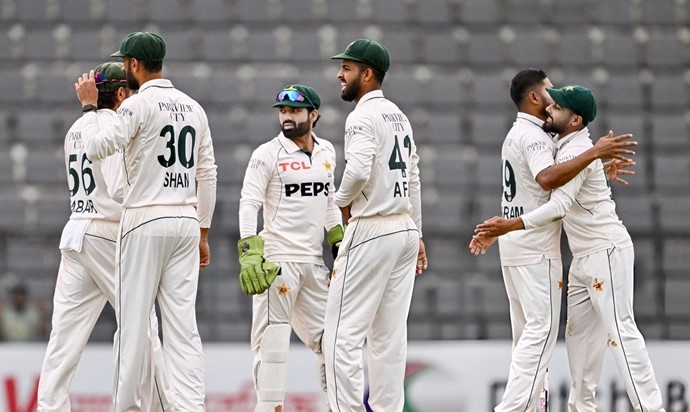
Gul’s perspective on the current struggles is nuanced, suggesting that the problem is not merely a technical failure of individual bowlers. He emphasizes that the context of the recent series against Bangladesh plays a significant role. According to Gul, the opposition batters demonstrated remarkable discipline and skill, which, combined with moments of misfortune, made the Pakistani bowling unit appear less threatening than it has been historically.
“Bangladeshi batters have batted really well,” Gul noted during a recent briefing. “In some moments we were unlucky. We missed chances in reviews and couldn’t get key players like Litton Das out. But that’s part of cricket. Sometimes luck is on your side, sometimes it isn’t. The bowlers tried hard, but the results didn’t go our way.”
The Red-Ball Rhythm Dilemma
When pressed on the noticeable drop in pace, Gul firmly disagreed with the narrative that this is a permanent decline in the talent pool. Instead, he points to the unique demands of Test cricket compared to the white-ball formats that dominate the modern calendar.
Gul explains that many of the same bowlers who appear ‘slow’ in Test matches regularly hit the 140 kph mark in the Pakistan Super League (PSL) and ODI cricket. The issue, he argues, is rooted in the lack of consistent exposure to the longest format of the game. “We don’t play enough Test cricket these days,” Gul observed. “Because of that, bowling muscles and bowling memory don’t develop properly. Both mental and physical preparation are important. The bowlers have given everything, they are bowling long spells.”
Impact of Scheduling and Environmental Factors
Beyond the technical aspect of muscle memory, the practicalities of a modern international cricket calendar have created a perfect storm. Pakistan’s Test cricket schedule has been sparse, with a significant hiatus occurring since their last red-ball engagement in October. This six-month gap, followed by a sudden return to the rigors of Test cricket, makes it difficult for bowlers to maintain the peak physical condition required to sustain high velocity over several days.
- Lack of Match Practice: Scheduling conflicts, including the PSL and other white-ball commitments, have limited the time available for red-ball preparation.
- Environmental Challenges: Gul highlights that extreme heat and humidity, particularly during camps in Karachi, have further drained the energy levels of the players.
- Recovery Time: The transition from the high-intensity, short-burst nature of T20 cricket back to the endurance requirements of Test cricket is a transition that requires more than just willpower; it requires specialized match-play preparation.
A Call for Better Preparation
Gul remains sincere in his belief that the talent is there, but the preparation strategies must evolve. He admitted that the team could have benefited from more red-ball practice matches prior to the tour of Bangladesh. While the coaching staff worked with the players available, the limitations imposed by the international schedule and domestic commitments made it difficult to bridge the gap between T20 rhythm and Test match intensity.
Ultimately, the decline in pace is not a sign that Pakistan has lost its factory for fast bowlers. Instead, it serves as a wake-up call regarding the necessity of prioritizing red-ball rhythm and ensuring that the schedule allows for the specific physical conditioning that Test match cricket demands. As the team moves forward, the focus will undoubtedly shift toward bridging this gap and restoring the fire that has historically defined Pakistan’s pace attack.