Jofra Archer Remains Unfazed Amidst IPL 2026 Selection Controversy
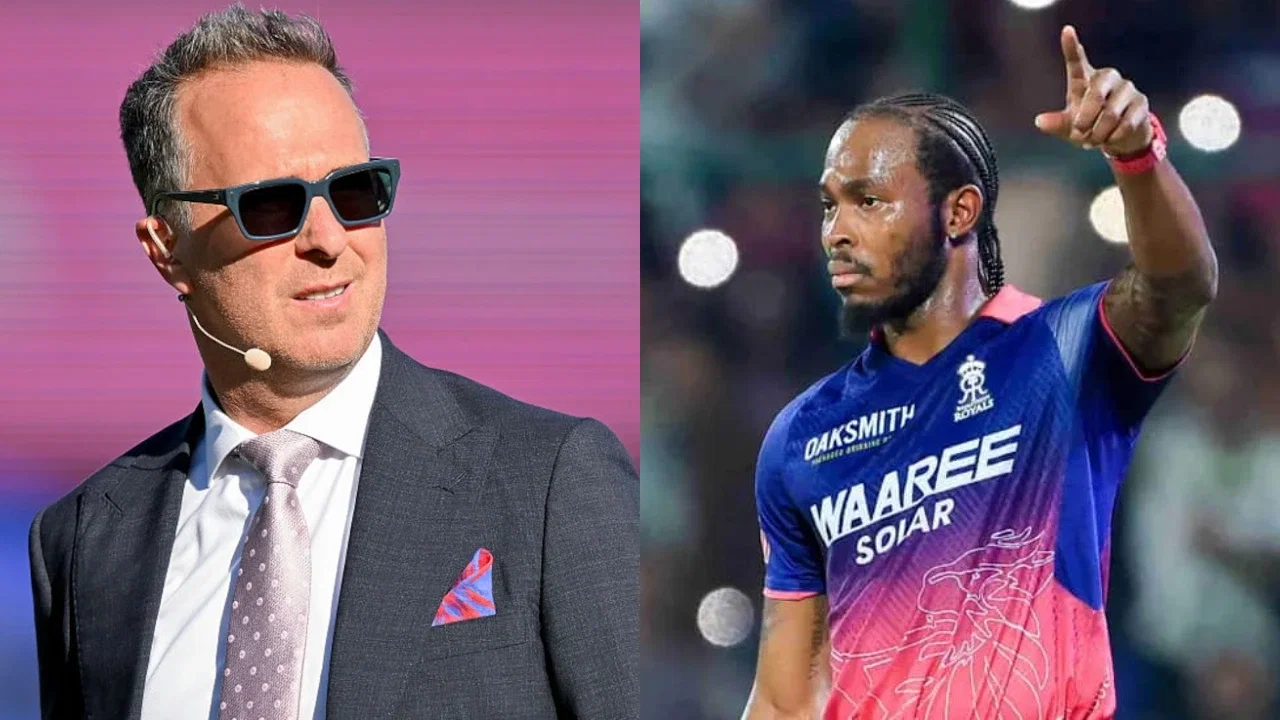
A Polarizing Decision in Modern Cricket
The landscape of modern cricket continues to evolve, and with it, the tension between franchise commitments and international duties has never been more apparent. Rajasthan Royals pacer Jofra Archer finds himself at the center of this debate, having opted to remain in the Indian Premier League (IPL) 2026 rather than returning home for England’s Test series against New Zealand. Despite the noise surrounding his choice, those close to the player suggest he is entirely unfazed.
The Criticism from English Legends
Archer’s decision to sit out the first Test at Lord’s—scheduled for June 4—has drawn sharp rebukes from several former England stalwarts. Michael Vaughan, Michael Atherton, and Mark Butcher have all voiced their frustration, highlighting a perceived breakdown in the current central contract system. The primary contention is that international commitments should always supersede franchise participation, regardless of the lucrative nature of the IPL.
Michael Vaughan, speaking on Cricbuzz, questioned the nature of the contracts managed by the England and Wales Cricket Board (ECB) and the BCCI. He argued that if a player is under a significant central contract, the national side should hold the ultimate authority on where that player performs. Similarly, Mark Butcher expressed his disbelief during the Wisden Cricket Weekly Podcast, questioning why an athlete would be rested from international duties only to remain active in a foreign league, labeling the situation as fundamentally flawed.
The Counter-Argument: Workload and Pragmatism
Not all criticism has been absolute. Michael Atherton, while expressing frustration from a supporter’s perspective, offered a more nuanced take on the Sky Sports Cricket Podcast. He acknowledged the physical toll on a fast bowler and the necessity of managing workloads. However, he maintained that the current system fails to properly coordinate these requirements, leaving fans and pundits feeling that the integrity of Test cricket is being compromised for the sake of white-ball franchise leagues.
The Rajasthan Royals Perspective
Amidst the debate, the Rajasthan Royals camp has remained steadfast in their support of the fast bowler. Speaking to reporters in Mumbai ahead of their crucial league stage finale against the Mumbai Indians, RR assistant coach Trevor Penny provided insight into Archer’s mindset. According to Penny, Archer is well aware of the trade-offs. The reality is simple: returning to England to satisfy critics risks his standing in the IPL, while staying in India risks drawing the ire of the English establishment. Archer has seemingly chosen to accept the consequences of the latter to fulfill his current franchise obligations.
The Stakes for IPL 2026
The pressure on Archer is not just professional; it is tactical. As Rajasthan Royals’ leading wicket-taker in the 2026 campaign—claiming 18 wickets in 13 matches with an average of 24.38—his performance is integral to the team’s success. RR currently holds their fate in their own hands, and a victory against the Mumbai Indians is the clear path to the playoffs. Should they falter, their path becomes significantly more complicated, relying on favorable results from other fixtures.
The backdrop of these events includes the BCCI’s stringent new rule introduced in 2025, which mandates a two-year ban for overseas players who pull out of the IPL for reasons other than injury. This regulation has undoubtedly influenced the decision-making process for many international stars, including Archer. As the cricketing world watches the developments at Lord’s and the conclusion of the IPL league stage, Jofra Archer remains focused on the task at hand: securing a playoff berth for the Rajasthan Royals.
Ultimately, the saga highlights a deeper friction that cricket boards and players will have to navigate in the coming years. Whether or not the current contract models need an overhaul remains a subject for debate, but for now, the focus shifts to the field of play, where the results often speak louder than the criticisms in the media.