How ‘Udta’ Punjab Kings crash after month of hits as ‘Sarpanch’ Shreyas Iyer misses IPL 2026 glory: A Deep Dive
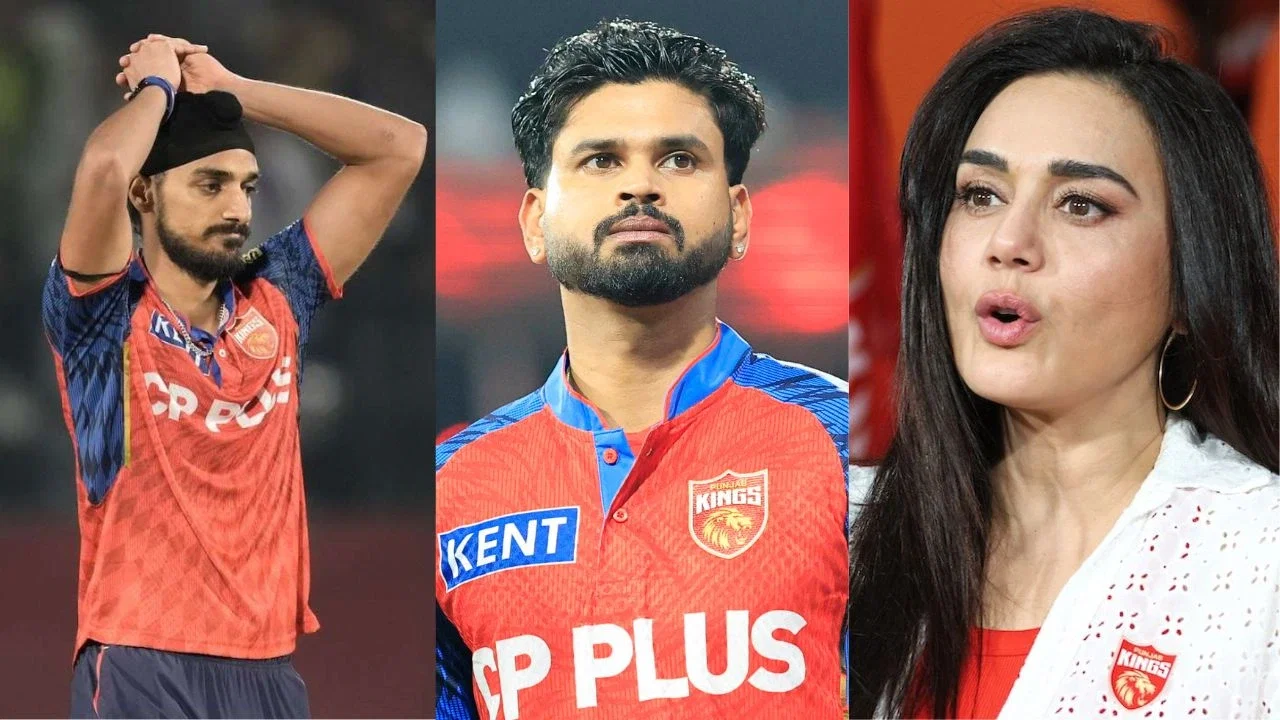
For many seasons, the Punjab Kings have been a team synonymous with inconsistency and underachievement. Yet, the beginning of IPL 2026 hinted at a seismic shift. Under the new leadership of ‘Sarpanch’ Shreyas Iyer and the influential mentorship of Ricky Ponting, the franchise appeared to shed its old skin. They were aggressive, fearless, and emotionally charged, looking nothing like the ‘OG’ Punjab Kings that fans had grown accustomed to.
The initial phase of the tournament saw a Punjab Kings side that looked unstoppable. With six wins in their first seven games, an undeniable swagger permeated the dressing room. Their social media presence became dominant, and a cohort of young Indian stars consistently delivered match-winning performances. The fanbase, after years of drought, had finally started to believe, manifesting dreams of a maiden IPL trophy.
The Unbeaten Run and the Turn of the Tide
The scary part about Punjab Kings’ early-season run was the completeness of their dominance. They weren’t just scraping by; they were overpowering opposition teams in various ways. Priyansh Arya’s fearless batting provided explosive starts, while Prabhsimran Singh evolved into a dependable top-order batter. Cooper Connolly emerged as a revelation, and other players contributed significantly with both bat and ball. Crucially, Shreyas Iyer appeared entirely in command as both captain and batter. His composure under pressure, proactive bowling changes, and tactical sharpness in run-chases showcased a classic Iyer performance, earning him widespread praise.
Ricky Ponting’s aggressive mentality also resonated deeply within the squad. The Punjab Kings no longer seemed like a confused franchise constantly experimenting without a clear direction. After seven matches, the team was comfortably positioned near the top of the table, unbeaten with six wins and one washed-out game against the Kolkata Knight Riders. Conversations even began to surface: could they become the first team to win the IPL trophy unbeaten?
However, that very unbeaten run inadvertently sowed the seeds of danger within the franchise. Belief, a powerful asset, slowly morphed into unchecked swagger. That swagger, in turn, began to generate an excessive amount of noise. As popular Punjabi artist Navaan Sandhu aptly put it, “Manifesta naal bann di ni gal naddi’e, Footwork toh banda full tej chahide, Mind je stable nahi, focus nahi hunda, Tahion kill gaddi da nahio pech lai da.” This translates roughly to: “Just manifesting your desires isn’t enough; you actually have to be quick on your feet and put in the work. If your mind isn’t stable, you lose focus, and that’s exactly why you don’t go reckless or push things to the limit when you’re not mentally grounded.” This sentiment eerily foreshadowed the team’s impending downfall.
The Rapid Collapse and On-Field Struggles
True to Sandhu’s words, everything collapsed at a terrifying speed. The Punjab Kings crashed out of IPL 2026 after suffering a staggering six consecutive defeats immediately following their unbeaten opening stretch. A late victory over Lucknow Super Giants offered a brief flicker of hope, but by then, the damage was irreparable. Rajasthan Royals clinched the final playoffs spot, leaving Punjab Kings in fifth place with 15 points from 14 matches. What had once looked like a title-winning campaign ended in a cloud of frustration, online trolling, controversies, and uncomfortable questions.
During this alarming losing streak, the team’s performance deteriorated significantly. The batting became erratic, the bowling lost its discipline, and critical pressure situations exposed a profound lack of composure. The speed at which momentum evaporated was startling. One week, they were arguably the most dangerous side in the tournament; the next, they appeared emotionally drained and tactically weak. Several defeats were agonizingly close and arguably avoidable. Against the Mumbai Indians, they lost by six wickets with a single ball remaining, and the Gujarat Titans edged them by four wickets with an identical margin.
Individual performances, once a cornerstone of their success, also faltered. Arshdeep Singh, expected to lead the bowling attack in crunch moments, struggled badly throughout this crucial phase. Yuzvendra Chahal could not consistently control the middle overs, and Marco Jansen faded. Even the early season stars, Priyansh Arya and Prabhsimran Singh, lost their rhythm simultaneously during the most important stage of the campaign. The team that had once functioned as a cohesive unit became overly dependent on isolated flashes of brilliance, which proved insufficient to stem the tide.
Off-Field Controversies and Toxic Environment
However, the sudden and drastic turnaround cannot be attributed solely to on-field performances like dropped catches, poor batting, or flawed strategies. Off-field developments created a toxic environment that undeniably impacted the team’s focus and morale.
- Player Controversies: Yuzvendra Chahal found himself embroiled in unwanted headlines after viral clips linked him to vaping-related allegations during a flight journey. Arshdeep Singh also faced scrutiny for allegedly disregarding BCCI movement guidelines concerning family access and team-bus protocols.
- Social Media Aggression: The Punjab Kings’ official social media handle adopted an unusually aggressive tone during their winning streak, featuring sarcastic posts and indirect digs. This eventually led to public backlash after the franchise released a statement addressing rumors and criticism surrounding players and dressing-room issues. Rather than de-escalating the situation, the statement worsened public perception.
- Individual Player Reactions: Prabhsimran Singh drew attention by posting a shushing emoji on Instagram amidst criticism regarding his fitness and claims of weight gain. Harpreet Brar’s aggressive remarks further contributed to the growing perception that the Punjab Kings were becoming overly emotionally carried away too early in the tournament.
- Tilak Varma Controversy: The controversy involving racist comments from Arshdeep Singh towards Tilak Varma became another ugly distraction. What may have initially been dismissed as banter escalated into widespread online criticism, colorism debates, and demands for stricter action against the players involved.
At a certain point, cricket itself ceased to be the central conversation surrounding the Punjab Kings, which is always a dangerous proposition during an IPL season. Teams that ultimately win titles often become quieter externally as tournaments progress. The Punjab Kings, paradoxically, seemed to grow louder after every victory. Every social media exchange, every celebration, every response from the team started carrying an extra emotional weight. When the losses inevitably arrived, all that self-generated noise was mercilessly thrown back at them.
The Cost of Arrogance and Emotional Imbalance
During the first half of IPL 2026, fans were completely invested in the Punjab Kings. Much like Punjabi music now dominates playlists across India and globally, it genuinely felt like Punjab Kings had finally become the IPL’s ‘cool team’. With prominent Punjabi artists like Navaan Sandhu, Prem Dhillon, Arjan Dhillon, and Cheema Y announcing albums, celebrities openly backing the franchise, social media engagement exploding, and Shreyas Iyer’s “Sarpanch” image resonating beautifully with fans, everything seemed delightful for Punjab and its cricket team.
However, the combination of off-field controversies and what appeared to be sheer arrogance ultimately cost them a playoffs spot. Earlier in the tournament, after a washout against the Kolkata Knight Riders, the PBKS social media team had arrogantly claimed they had lost one point, dismissing any suggestion that they had gifted one to KKR. This exact attitude backfired heavily: they missed out on qualification by just one point, finishing with 15 points and a Net Run Rate of 0.309, which was superior to Rajasthan Royals’ 0.189.
Ultimately, the Punjab Kings’ failure was not due to the shortcomings of a single player or individual decision. It was a collective failure stemming from the gradual disappearance of emotional balance within the campaign. Shreyas Iyer, in many ways, delivered precisely what the Punjab Kings needed from a captain, and he deserves very little blame for the season’s conclusion. Ricky Ponting also merits credit for fostering a far more competitive environment within the squad.
However, good captains and good coaches alone do not win IPL trophies. The core players of the Punjab Kings simply failed to deliver consistently enough when the pressure intensified. Arshdeep Singh proved too expensive, Chahal never looked fully in control, and Priyansh Arya struggled once opposition teams began to plan more carefully against his attacking style.
Somewhere along that unbeaten run, the Punjab Kings started behaving as if the trophy was already theirs. The public swagger of the players, the constant online chest-thumping, and the emotionally charged reactions following victories slowly created an image of a team enjoying the noise a little too much. IPL seasons often punish teams mentally before they punish them tactically. The Punjab Kings never looked emotionally stable once adversity arrived, and that is why this collapse feels more painful than those of previous seasons. This time, they genuinely looked good enough to win it all. What started as one of the best stories of IPL 2026 ended on a sour note, leaving many questions for Shreyas Iyer and Ricky Ponting to address as they look toward the next season.
If there is one mindset Punjab Kings players need to adopt heading into the next season, it is captured in the lyrics by Shubh: “Kri chal mehnatan ne bhaag lagde. Sada leede chitteya te jaada daag lagde” (Keep grinding, because hard work always brings good fortune and success, and remember, the cleaner your clothes or the higher your status, the more glaringly the stains will show).