Sachin Tendulkar Submits Petition To BCCI To Change IPL Forever
A Call for Tactical Restoration
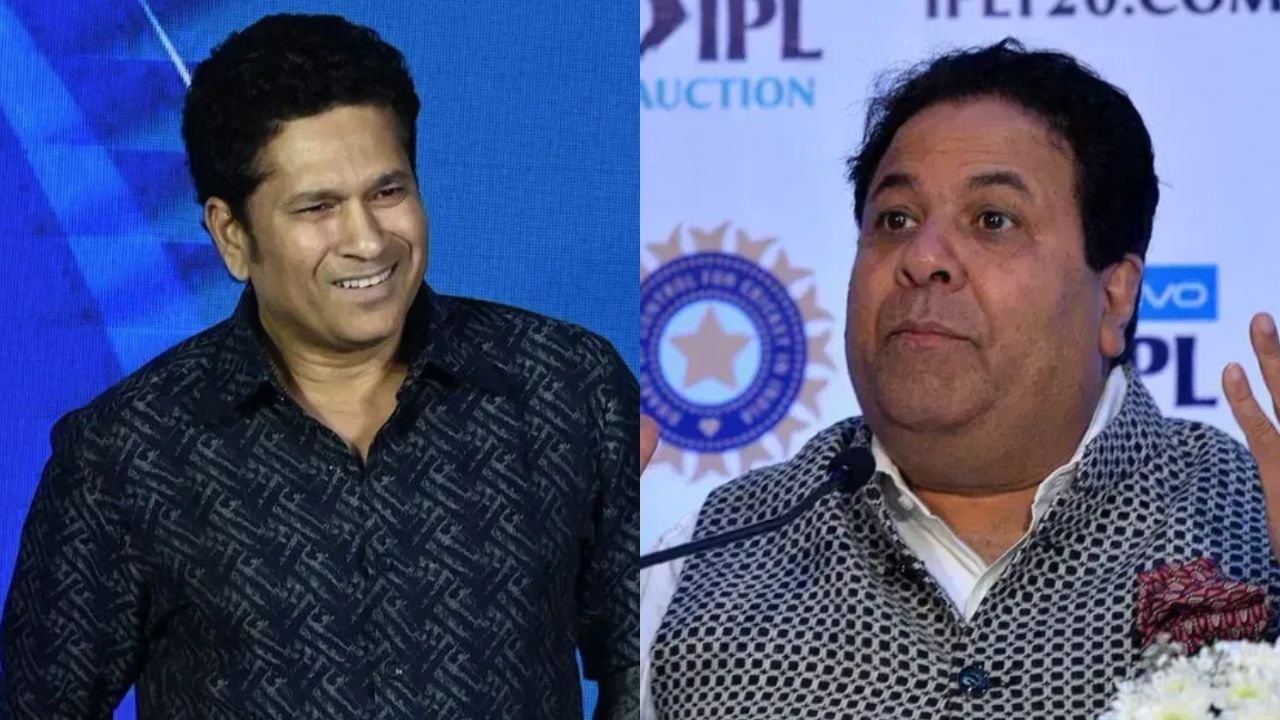
As the cricket world gears up for the high-stakes drama of the IPL 2026 final, the conversation has shifted from individual brilliance to the very framework of the tournament. Sachin Tendulkar, the global icon of the sport and a mentor to the Mumbai Indians, has sparked a significant debate. With the sport becoming increasingly tilted toward explosive batting displays, Sachin Tendulkar Submits Petition To BCCI To Change IPL Forever, hoping to save the competitive integrity of the world’s most popular T20 league.
The Problem: A Batting-Dominant Landscape
Over the past three seasons, the Indian Premier League has evolved into a high-scoring spectacle where 200-plus totals have become standard procedure. The current tactical setup often renders scores of 160 or 170 entirely uncompetitive, as chasing teams find it relatively simple to hunt down totals before the death overs. This shift, according to critics and experts alike, has been exacerbated by the introduction of the ‘Impact Player’ rule, which effectively grants teams an additional specialist batter or bowler, further thinning the already pressured bowling lineups.
The Case Against the ‘Impact Player’
At the heart of Tendulkar’s proposal is the removal of the Impact Player rule. Speaking at the prestigious ESPNcricinfo Awards, the legendary batter did not mince words regarding the current state of play. He argued that adding an extra batter to an already deep lineup creates an artificial imbalance. In a format limited to 20 overs, bowlers are already facing extreme challenges; by effectively providing a cushion for the batting side, the rule diminishes the value of a balanced playing XI.
Revolutionizing Fielding and Powerplays
Tendulkar’s vision extends beyond simply removing current rules; he has proposed a structural overhaul of the powerplay mechanics. He suggests a split powerplay system:
- The first four overs would remain the mandatory batting powerplay with current field restrictions.
- The remaining two powerplay overs would be left to the discretion of the fielding captain, allowing them to be deployed at critical junctures of the match.
- To incentivize this flexibility, an extra fielder would be permitted outside the 30-yard circle during these captain-selected powerplay overs, giving the bowling side more strategic control.
This approach aims to bring the captain’s tactical acumen back to the forefront, shifting the game away from pure aggression toward a more cerebral contest.
Giving the Best Bowlers More Responsibility
Perhaps the most intriguing suggestion is the proposal to increase a single bowler’s quota from four overs to five. Tendulkar’s logic is simple yet compelling: if the top-order batters are granted the luxury of occupying the crease for the entire duration of an innings, why shouldn’t the best bowler have the opportunity to exert influence for a longer duration? He posits that fans want to see the premier bowlers of each side pitted against the top batters in high-pressure situations. Allowing the lead bowler to complete five overs would ensure that the game’s best talents are given the platform to make a decisive impact.
The BCCI’s Dilemma
While Tendulkar’s suggestions are grounded in a desire to preserve the essence of the game, the path to implementation is fraught with uncertainty. The BCCI, while continuously evaluating the league’s rules, often balances sporting integrity with the demands of entertainment and television viewership. Although there have been whispers in board corridors about potentially phasing out the Impact Player rule by 2028, it remains to be seen if the administration will embrace the more radical structural changes proposed by the legend. For now, the cricketing fraternity waits to see if these proposals will be debated in the next board meeting or if the league will continue its path toward an exclusively batting-focused spectacle.
Regardless of the outcome, Tendulkar’s intervention has highlighted a vital truth: for the IPL to remain the pinnacle of T20 cricket, it must remain a contest between bat and ball, rather than a one-sided display of power-hitting.