Sachin Tendulkar suggests radical changes to make IPL competitive
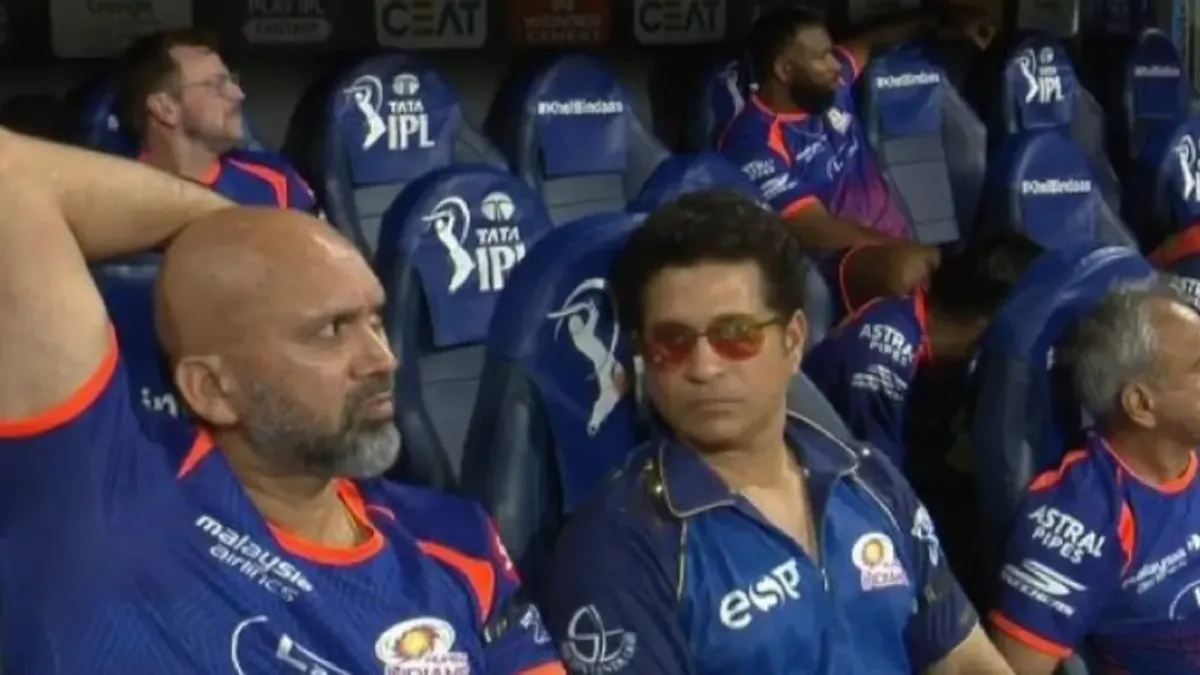
A Master’s Perspective on T20 Evolution
The Indian Premier League (IPL) has undeniably transformed the landscape of professional cricket, but as the tournament continues to grow, so does the debate regarding its technical rules. During a recent ESPN Cricinfo award show, cricket legend Sachin Tendulkar stepped into the spotlight to offer his insights on how the league can be further refined to ensure a fairer, more compelling contest between bat and ball.
The Impact Player Rule: A Point of Contention
Perhaps the most significant of the points raised was the critique of the ‘impact player’ rule. Sachin Tendulkar suggests radical changes to make IPL competitive, and at the heart of this argument is his belief that the current arrangement creates an inherent imbalance. Since its introduction, the rule has been a subject of intense scrutiny from fans, pundits, and players alike.
Tendulkar stated, “On a personal note, I can say, the impact player rule needs to be done away with.” He elaborated on his reasoning, noting that in a format restricted to 20 overs, the inclusion of an extra specialist batter effectively negates the necessity for genuine all-rounders. When the 12th man—a specialist bowler or batter—is brought into the fray, the strategic depth of the game often suffers. Supporting this view, Delhi Capitals skipper Axar Patel has previously voiced similar concerns, noting that the utility of all-rounders is significantly diminished when teams can simply substitute players based on the phase of the game.
Reimagining the Powerplay
Beyond the impact player rule, Tendulkar provided a forward-thinking proposal regarding the structure of the powerplay. He suggested splitting the powerplay into two distinct segments to maintain tension throughout the innings. Under his proposed model, there would be four overs of powerplay for the batters with only two fielders allowed outside the circle. The remaining two overs of the powerplay would be utilized during the middle or death overs, at the discretion of the fielding captain, with three fielders permitted outside the 30-yard circle.
This adjustment is designed to force captains to think more creatively. By allowing the fielding side to decide when to deploy their defensive or attacking field settings later in the game, the tactical chess match between captain and batter would intensify, moving away from the predictable nature of the current setup.
Empowering the Bowlers
One of the most intriguing suggestions put forward by the Master Blaster is the prospect of allowing a single bowler to deliver five overs instead of the standard four. This move aims to address the common complaint that the T20 format is heavily skewed toward batters, who often dominate from start to finish.
“One bowler can be asked to bowl five overs, invariably because the best bowler will be bowling that extra over,” Tendulkar remarked during the event. “Who doesn’t want to see the best bowler deliver, getting that extra over? Some of the top batters are batting the entire 20, then why can’t we have one extra for the bowlers?” This perspective highlights a desire to see marquee players exert more influence on the game, ensuring that a team’s best assets have every opportunity to make an impact when it matters most.
The Path Forward for the IPL
The suggestions made by Tendulkar are rooted in a desire to restore the equilibrium between the two disciplines. As cricket continues to innovate, the balance between entertainment and the traditional values of the sport remains a delicate act. Whether or not these specific proposals are implemented, the conversation itself serves as a vital reminder that for the IPL to remain the pinnacle of T20 leagues globally, it must be willing to adapt and listen to the legends who have shaped the game.
By removing rules that favor one-dimensional selection and empowering the bowlers to take a larger role in the outcome, the IPL could potentially see a shift toward more nuanced, strategy-heavy encounters. For now, the cricketing world waits to see if these expert recommendations will find their way into future seasons of the IPL, potentially heralding a new era for the tournament.