BBL’s ‘No. 1 priority’ is to make domestic stars ‘feel valued’
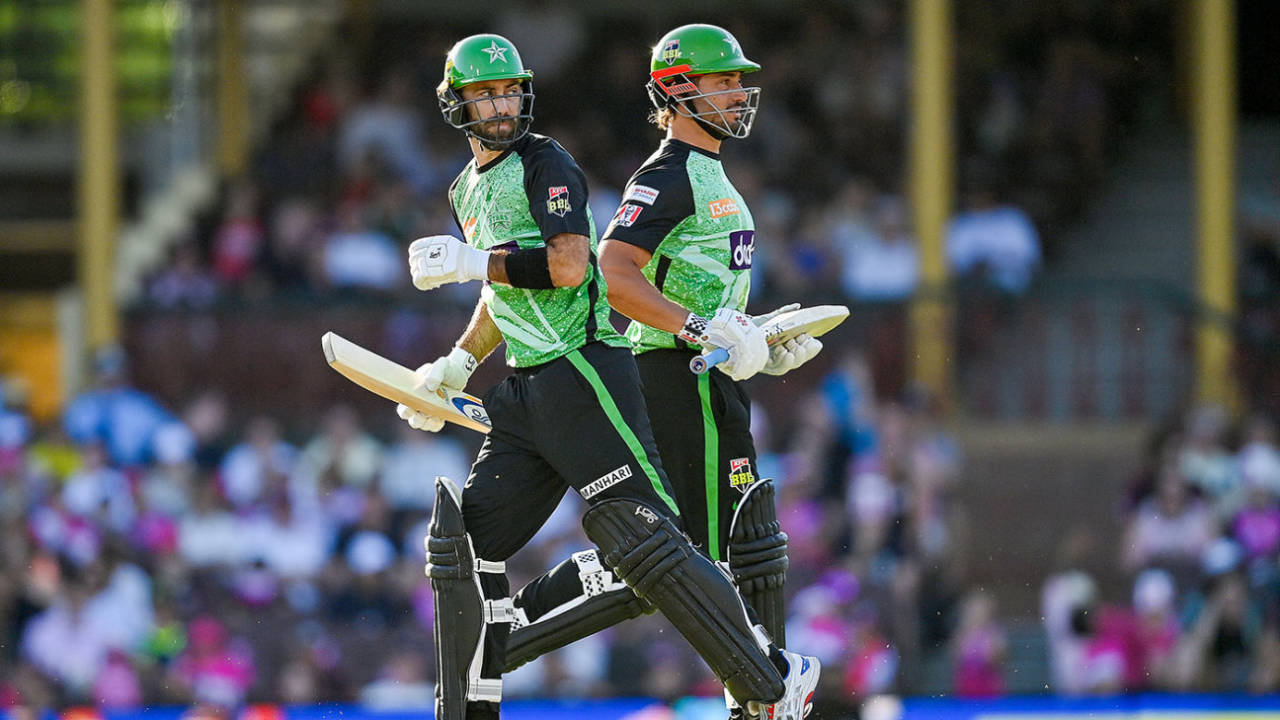
BBL‘s ‘No. 1 priority’ is to make domestic stars ‘feel valued’
Ensuring Australia’s best players don’t forgo the BBL for the potential of higher earnings in other tournaments is the top priority for the league’s boss amid the ongoing move towards a hybrid model of privatisation.
One of the key tensions that has emerged in recent times is the earnings of top overseas players through the men’s draft – up to AU$420,000 – which are considerably more than what the leading domestic white-ball stars can make within the clubs’ salary caps.
The future of the draft is uncertain
The future of the draft is uncertain, with an announcement expected next month, and clubs could be allowed to return to direct signings, at least in the short term.
According to Alistair Dobson, head of the Big Bash Leagues, the key objective is to bring more money into the salary cap in the future so that the best overseas players want to come and play in the BBL, and the best local Australian players get paid what they’re worth.
Being able to increase those salary caps is a key part of the privatisation push
Being able to increase those salary caps is a key part of the privatisation push, which has become a complex affair with the initial hope for all clubs to seek investment at once now shelved in favour of a mixed model that will allow each state to decide what they wish to do.
New South Wales and Queensland have indicated they wouldn’t be selling stakes in their clubs, South Australia initially led the push for the hybrid model, while Victoria, Western Australia and Tasmania are in favour of private equity.
The process has yet to be rubber-stamped
While that process has yet to be rubber-stamped – with a set of criteria needing to be reached including, crucially, agreement over a pay structure with the Australian Cricketers’ Association (ACA) – if it does get the final approval, then Victoria will likely be the first to go to the market to sell 100% of their second license (currently Melbourne Renegades) following the controversial announcement of merging their two BBL clubs, which has since been rolled back for the 2026-27 season.
Player payment is a key concern
Player payment is a key concern, with the increased sums being paid to leading players in the WPL and Hundred – where Beth Mooney earned an AU$400,000 deal earlier this year – putting the WBBL on notice as well.
According to Dobson, part of the work being done with the ACA now is to determine how to best apportion any injection of capital into the game to different parts of the playing group, with putting as much of that into the BBL and WBBL salary caps being important to underpin the ability to put the best teams on the field.
The WBBL faces similar challenges
The WBBL specifically faces similar challenges, with the need to be competitive globally and keep investing in the league, as players are now incredibly well-rewarded around the world to play in the WPL in India and the Hundred in the UK.
Dobson understands the scepticism around privatisation
Dobson understands the scepticism around privatisation but is adamant that the game in Australia needs to respond to wider changes, with significant level of change coming with some twists and turns and bumps, and the need to continue to do the best job possible to take people on that journey because change is coming for the game and they want to control their destiny on that.
A decision on taking the opening game of the BBL season to Chennai is close
Separately from privatisation, although not without obvious links, Dobson said that a decision on taking the opening game of the BBL season in mid-December to Chennai was ‘close’ and ‘we’re optimistic about that’, and the WBBL season in late October would likely start with a double-header at Junction Oval in Melbourne using the ground’s new floodlights, which may also be used for BBL matches.