Scotland still have 2028 T20 World Cup automatic qualification incentive
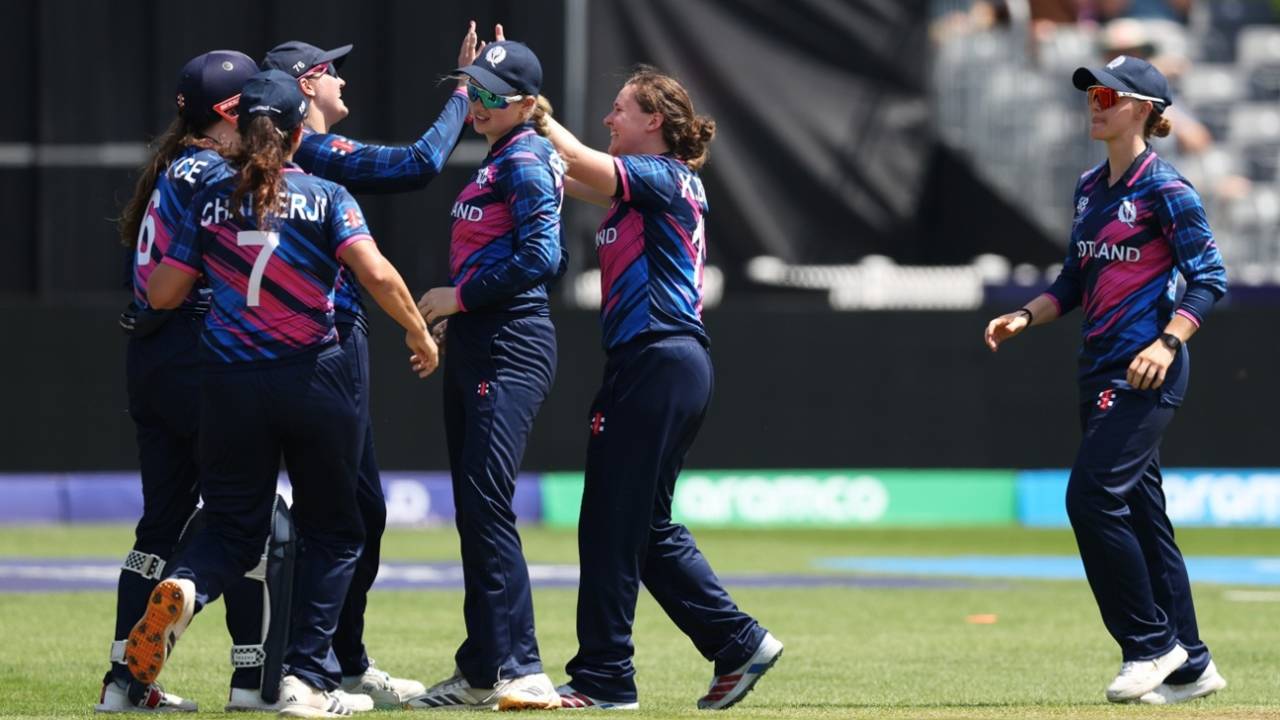
The Path to Automatic Qualification
As the current T20 World Cup progresses, many teams find themselves battling for more than just a spot in the semi-finals. For nations like Scotland, the stakes remain incredibly high. The tournament structure dictates that the teams finishing in the top four of each group will earn automatic qualification for the 2028 T20 World Cup, which is set to be hosted in Pakistan as a 12-team showcase.
This incentive is crucial for emerging cricket nations looking to avoid the uncertainty and physical demands of the global qualification tournament. Currently positioned fifth in their group, Scotland faces a pivotal final match against fourth-placed Sri Lanka. This is not merely a consolation game; it is a direct fight for a top-four position, potentially leapfrogging both Sri Lanka and New Zealand depending on net run-rate outcomes.
Understanding the Qualification Criteria
The International Cricket Council (ICC) has clearly defined the roadmap for the 2028 edition. According to established criteria, the paths to participation include:
- The top eight teams from the 2026 T20 World Cup (the top four in each of the two groups).
- The host nation, Pakistan, which secures its place automatically regardless of current form.
- The next-highest-ranked teams on the ICC Women’s T20I rankings as of July 6, 2026.
- Two additional spots decided through the global qualifier tournament.
The reality of the current standings makes the upcoming match against Sri Lanka a must-win scenario. While the top four in Group 1 appears relatively settled, the dynamic nature of Group 2 means Scotland could potentially pull level on points with both Sri Lanka and New Zealand. Achieving this would drastically improve their chances of avoiding the qualifier route.
The Ranking Struggle
The ICC rankings play a secondary, yet vital, role in this qualification cycle. As of the latest updates, Ireland sits in ninth, Bangladesh in tenth, and Scotland in 11th. This creates a challenging situation: if qualification were determined solely by the current rankings, Scotland would narrowly miss out, despite their commendable performance against Ireland earlier in the tournament. Consequently, a top-four finish in this World Cup is the most reliable way to secure their future participation.
The margin for error is razor-thin. With only two teams advancing through the global qualifier, the competition is expected to be fierce. Earlier in January, Bangladesh, Ireland, Scotland, and the Netherlands all vied for limited spots, and the landscape for 2028 promises to be just as competitive. Teams like the Netherlands and potentially Ireland could find themselves forced into the qualifier route if they fail to improve their standing before the cut-off dates.
Looking Ahead
For Scotland, the focus is entirely on the final group match. The players and coaching staff understand that momentum gained during this event is not just about the present, but about securing their place on the world stage for the next cycle. The opportunity to bypass the stress of qualifiers is a massive motivator for the squad.
As the tournament nears its conclusion, every run scored and every wicket taken carries extra weight. Scotland’s journey in this World Cup serves as a reminder of how high the stakes are in modern international cricket. While the semi-finals are off the table, the long-term future of the team depends on the results in their final match. Fans and analysts alike will be watching closely to see if Scotland can secure that vital top-four spot and cement their place in the 2028 edition of the tournament.