Hemang Badani Claims BCCI Controls Delhi Capitals Home Pitches
The Controversy Unfolds at Arun Jaitley Stadium
The IPL 2026 season has witnessed its fair share of drama, but few stories have been as explosive as the recent comments from Delhi Capitals (DC) head coach Hemang Badani. Following a disheartening loss to the Chennai Super Kings on May 5, Badani broke his silence regarding the unpredictable and often problematic nature of the pitches at the franchise’s home ground, the Arun Jaitley Stadium in Delhi.
With DC having lost four out of their five home matches this season, the frustration within the camp is palpable. However, the root of this frustration appears to extend beyond poor performance on the field. According to Badani, the team is struggling to adapt to surfaces that seem to shift in character without the input or control of the coaching staff.
A Pattern of Home Struggles
The match against Chennai Super Kings served as the latest example of Delhi’s home-ground woes. Faced with a surface that heavily favored spin, the Capitals found themselves systematically dismantled. CSK spinners Akeal Hosein and Noor Ahmad controlled the tempo of the game, while pacers Mukesh Choudhary and Gurjapneet Singh tightened the screws, leaving Delhi reeling at 69/5 by the eleventh over.
This is not an isolated incident. In a previous home fixture against Royal Challengers Bengaluru (RCB), the batting lineup famously collapsed to 8/6 before being bowled out for just 75 runs. Contrast this with the match against Punjab Kings earlier in the season, where Delhi conceded a staggering 265 runs—a new T20 world record chase. The inconsistency of the pitches has left both fans and experts baffled.
The BCCI Mandate: A Significant Claim
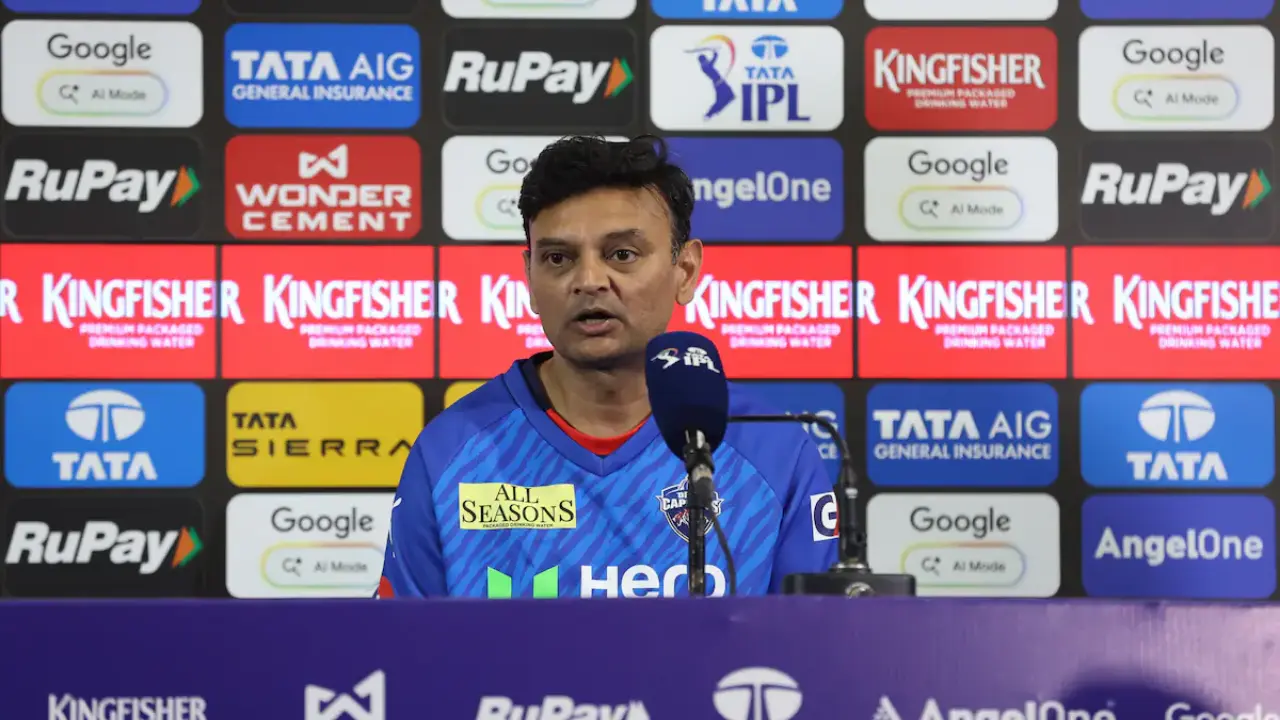
In the post-match press conference, when questioned about the wildly varying nature of the home tracks, Hemang Badani made a statement that has sent shockwaves through the cricketing community. He stated, “We don’t have any control over the surfaces. As much as one would like to think that we are in control of the surfaces we want to play on, there’s a clear mandate from the BCCI that they look after the pitches and they’re the ones who ensure that there’s no local side that gets benefits out of the surfaces. You play what is presented to you.”
This assertion is unprecedented in the 19-year history of the Indian Premier League. Traditionally, host franchises are believed to have some level of influence over their home conditions to suit their team’s strengths. Badani’s claim that the BCCI actively intervenes to prevent “local bias” suggests a much more centralized control over the tournament’s technical aspects than previously understood.
Looking Ahead: Can DC Recover?
If the BCCI is indeed maintaining strict oversight of the surfaces, Delhi Capitals must find a way to adapt quickly. The team currently sits seventh on the points table with only 4 wins from 10 matches. Their next challenge is another home game against the Kolkata Knight Riders (KKR) on May 8.
KKR, currently in eighth place, are entering the match on a wave of momentum with a three-match winning streak. For the Delhi Capitals, the upcoming game is more than just another fixture; it is a test of their resilience in a season that has been defined by off-field controversy and on-field instability. Whether or not they can overcome the conditions presented to them remains the defining question of their 2026 campaign.
Key Takeaways from the Match
- DC’s Home Record: Four losses out of five matches played at the Arun Jaitley Stadium.
- Impact Player Woes: Delhi has been forced to use their Impact Player to bolster batting while batting first on two separate occasions due to early collapses.
- CSK Dominance: Sanju Samson’s unbeaten 87 led CSK to a clinical victory, further highlighting Delhi’s inability to defend their home turf.
As the tournament progresses, the cricket world will be watching closely to see if other franchises echo Badani’s concerns or if the Delhi Capitals remain an outlier in their struggle against the conditions.