Rex Rooms, the reckoning: What happens next after curfew-gate?
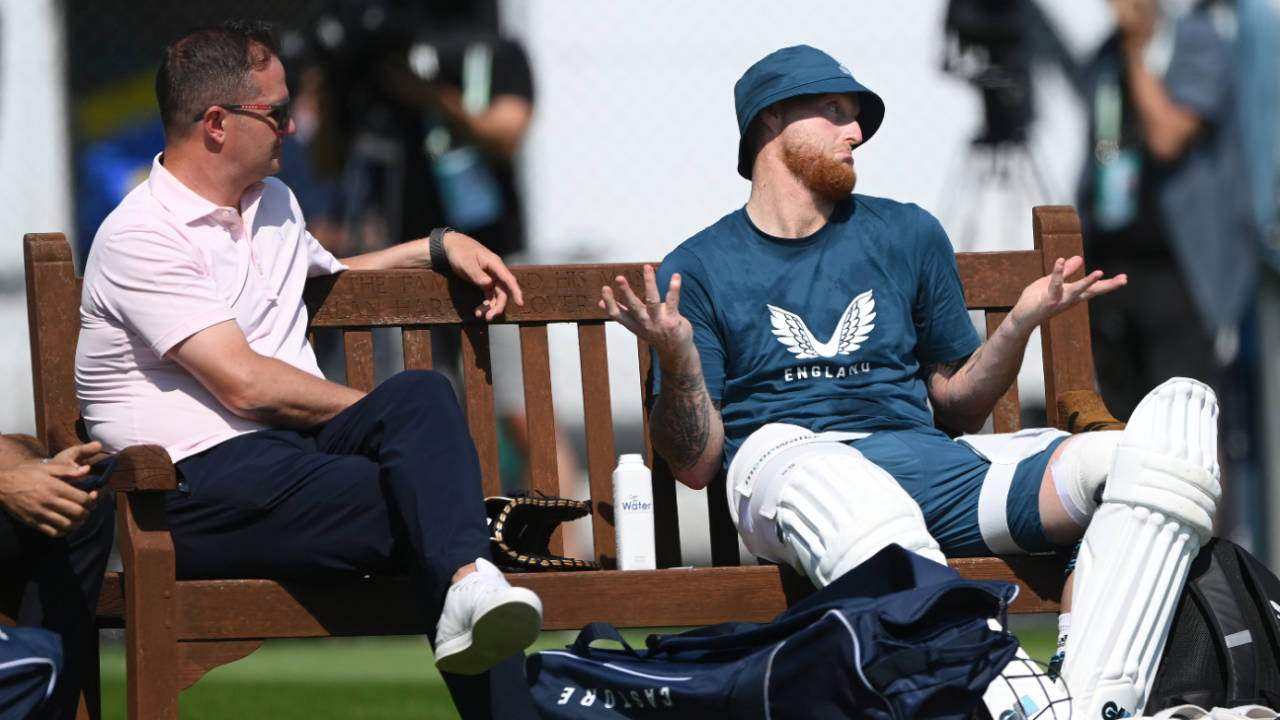
The Fallout from a Night in Chelsea
Two chaotic weeks in English cricket reached a resolution of sorts on Sunday evening when Ben Stokes and Gus Atkinson were cleared of serious wrongdoing and named in England’s squad for the third Test against New Zealand at Trent Bridge. However, the path to this decision was fraught with speculation, administrative panic, and questions regarding the very fabric of the team’s internal governance.
The Night at Rex Rooms
The controversy stems from June 7, following England’s victory in the first Test at Lord’s. While the team celebrated, the evening took a turn when several players moved to west London. Stokes and Atkinson ventured to the Rex Rooms nightclub in Chelsea, remaining there well past the team’s mandated midnight curfew. They were joined by James Shaw, a member of the ECB‘s security detail.
The night was marred by two distinct incidents: one inside the venue and one outside. Notably, Atkinson found himself involved in an altercation with Totoa Auvaa, a Saracens academy rugby player. The situation escalated, resulting in Shaw suffering injuries that required stitches, forcing him to be sidelined for the subsequent Test at The Oval.
Management’s Reaction: Disbelief and Anger
The response from the England hierarchy was swift and visceral. Rob Key, the managing director, openly admitted to a ‘sinking feeling’ and genuine shock that Stokes—a key figure in rebuilding the team’s culture—was involved. Brendon McCullum, the head coach, echoed these sentiments, expressing bewilderment and deep disappointment. Both men pointedly refrained from guaranteeing Stokes’ position as captain during the investigation, opting instead to install Joe Root as an interim leader for the second Test.
The Dual Investigations
Two independent processes were launched to untangle the events: an internal ECB disciplinary hearing and a probe by the newly formed Cricket Regulator. The Regulator, established in 2023 to monitor compliance, scrutinized whether the players’ actions constituted a breach of conduct or involved provocation. Ultimately, the Regulator found no case to answer, confirming that neither Stokes nor Atkinson had engaged in the altercation or provoked the violence.
Defining the Curfew: Fact or Fiction?
A significant portion of the controversy centers on the enforcement of the midnight curfew. While management insisted the rule was common knowledge, players expressed confusion regarding its scope and duration. Key noted that Atkinson claimed ignorance, though he noted that such an excuse would hold little weight for Stokes, who was instrumental in implementing these standards. McCullum, while previously adamant about the clarity of the rules, conceded that the communication was informal and vowed to document future protocols with greater precision to avoid further ambiguity.
The Path Forward at Trent Bridge
With the disciplinary process concluded and both players issued written warnings and backdated suspensions, the focus now shifts to the third Test. Stokes and Atkinson return to the squad alongside Jamie Smith and Ollie Robinson, strengthening the side for a decisive encounter. A series victory would provide a much-needed morale boost, yet the episode has undoubtedly strained the relationship between leadership and the squad.
For Stokes, the coming days will require a demonstration of humility. Having championed a new culture of discipline, his own failure to adhere to these rules puts him in a precarious position. The upcoming Test at Trent Bridge is not just a game; it is a test of character. If England succeeds, it may mark the end of a difficult chapter. However, a defeat would likely trigger a much wider inquest into the stability of the entire operation, potentially calling into question the tenure of the current leadership team. The eyes of the cricketing world remain fixed on Nottingham, waiting to see if England can restore its reputation on the field.