Ravi Shastri Raises Concerns Over Bumrah and Arshdeep’s IPL 2026 Form
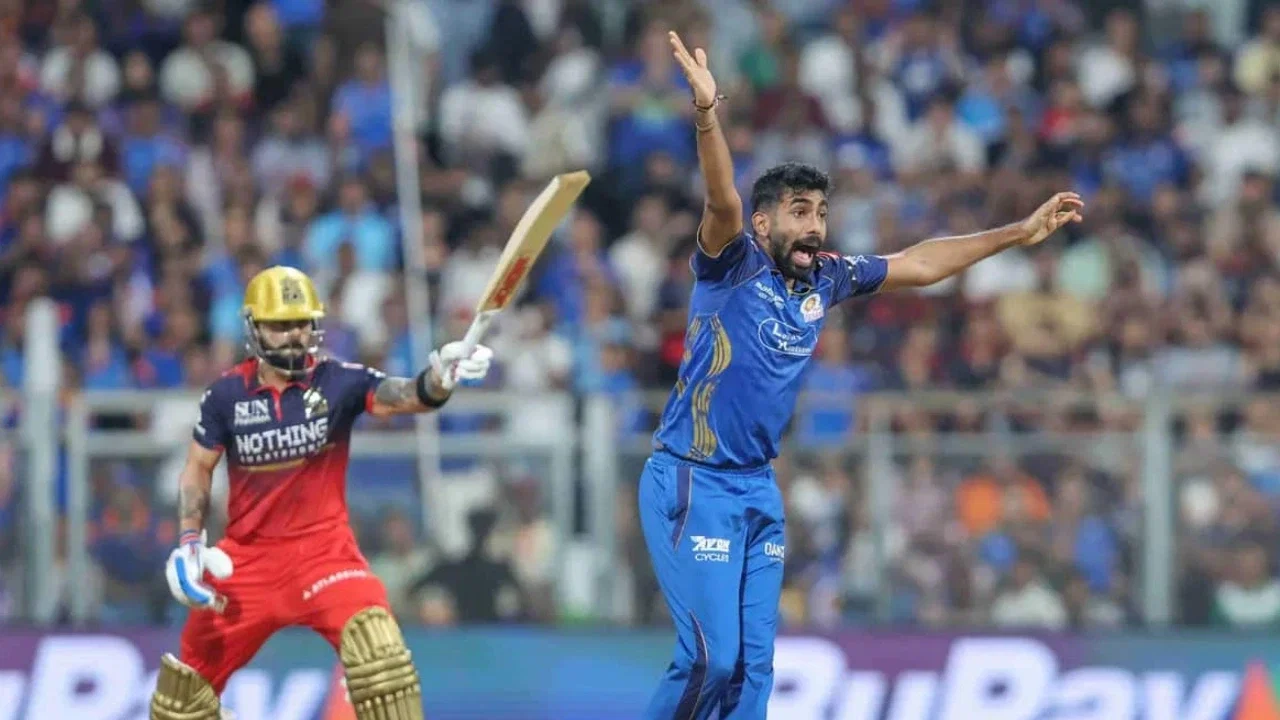
The Human Cost of Elite Cricket
Former Team India head coach and celebrated commentator Ravi Shastri has sparked a significant conversation regarding the physical and mental well-being of India’s premier fast bowlers. During his commentary stint at the Sunrisers Hyderabad versus Punjab Kings encounter on May 6, Shastri pointed to the visible dip in form of stars like Jasprit Bumrah and Arshdeep Singh, attributing their uncharacteristic struggles to the grueling nature of the modern cricket calendar.
A Concerning Trend in IPL 2026
The 2026 Indian Premier League (IPL) season has been far from smooth for some of India’s most reliable pacers. Both Jasprit Bumrah and Arshdeep Singh, typically renowned for their precision and wicket-taking ability, have appeared rusty and out of rhythm. Their performances have left fans and pundits questioning what has gone wrong for these world-class athletes.
Shastri believes the answer lies in the cumulative effect of a packed schedule. With the T20 World Cup concluding shortly before the commencement of the IPL, the lack of a substantial break has taken a toll on the players. “Just seeing the way the season has panned out, and seeing some of the established bowlers who’ve played a lot of cricket through the season, played for India, played World Cups, all this stuff… showing signs of mental fatigue,” Shastri observed.
Bumrah and Arshdeep: Signs of Exhaustion
The evidence of this fatigue is not just anecdotal; it has manifested in their on-field output. In a particularly jarring performance during the Mumbai Indians’ clash against the Lucknow Super Giants, Jasprit Bumrah bowled an uncharacteristic eight no-balls. Such errors are entirely foreign to a bowler of his pedigree, serving as a glaring indicator that his concentration and physical rhythm are being tested by exhaustion. Similarly, Arshdeep Singh has struggled to maintain his usual standard, often failing to break partnerships or control the run flow as effectively as he has in previous seasons.
Are Players Being Treated Like Machines?
Ravi Shastri’s critique of the current situation is rooted in the philosophy that athletes are not machines. He emphasized that the constant expectation to perform at the highest level without adequate recovery time is unsustainable.
“Now, you must remember these guys are human. And it does take its toll. It’s not that they can, on a day off, go to a petrol station, fill some gas, and get into the groove again the next day. It doesn’t happen that way,” Shastri remarked. His comments highlight the stark contrast between the commercial demands of professional cricket and the biological reality of human recovery.
The Role of the BCCI and Workload Management
While the Board of Control for Cricket in India (BCCI) has implemented various workload management protocols to safeguard the nation’s top talent, Shastri’s comments suggest that there may still be loopholes. Despite the board’s best intentions, the sheer volume of international series combined with high-stakes domestic tournaments like the IPL creates a relentless “hard grind” that leaves little room for mental rejuvenation.
- The Constant Grind: Players transition from international series directly into high-intensity league cricket.
- The Mental Toll: Constant pressure to perform in marquee events leads to burnout.
- Recovery Deficit: Short gaps between tournaments prevent players from fully resetting.
Looking Ahead
As the cricketing world continues to evolve, the challenge for boards and franchise owners will be finding a balance between maximizing the participation of star players and ensuring their long-term health. Shastri’s blunt assessment serves as a timely reminder that even the best bowlers in the world have breaking points. For Bumrah and Arshdeep, the remainder of the season will be as much about rediscovering their mental freshness as it is about adjusting their bowling mechanics.
The debate over player welfare is far from over. As professional sport continues to push the boundaries of what is possible, the voices of experts like Shastri—who have seen the game from both the coaching box and the commentary box—are essential in advocating for a more sustainable future for cricket’s biggest stars.