“Release” – Aaron Finch gives blunt verdict on Ruturaj Gaikwad and Cameron Green: An IPL 2026 Retention Analysis
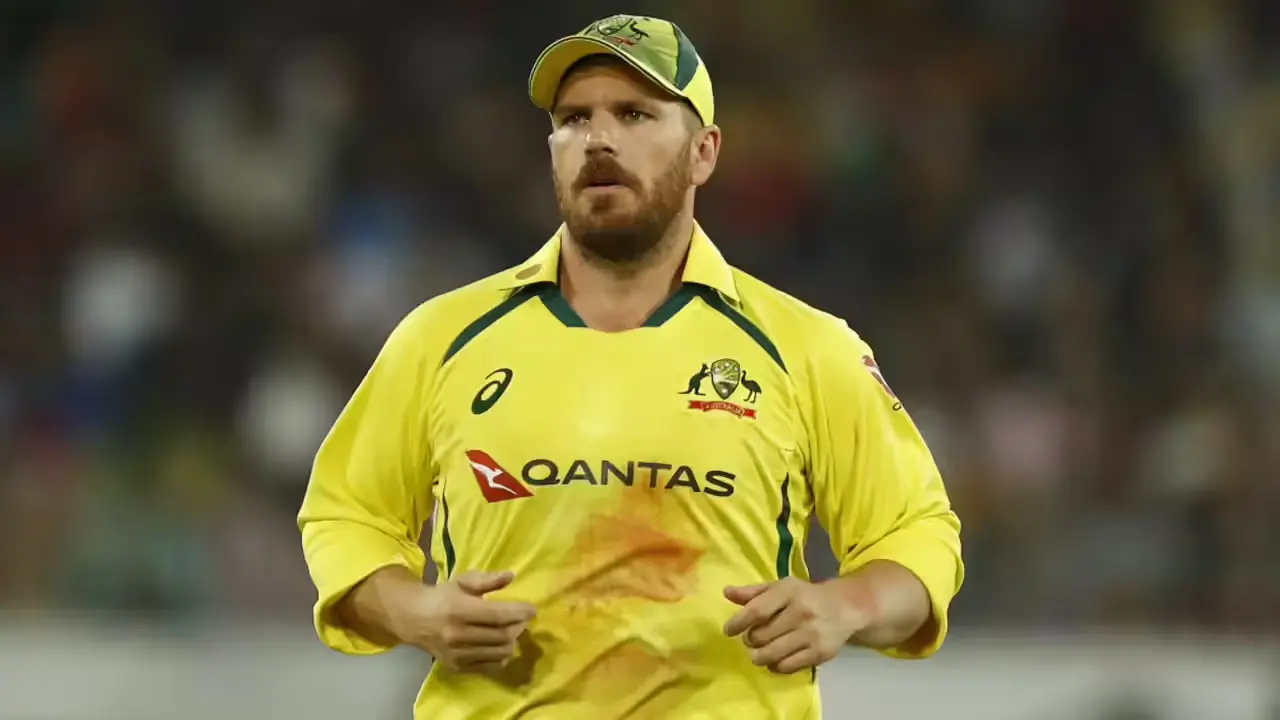
Aaron Finch’s Candid IPL 2026 Retention Strategy: A Deep Dive
The intense two-month spectacle of IPL 2026 is steadily approaching its conclusion, leaving franchises to ponder their strategies for the upcoming season. With significant investments made in players during previous auctions, teams are now faced with the critical task of reviewing overseas combinations, assessing salary budgets, and making tough retention and release decisions before the next mini-auction. In this high-stakes environment, the insights of seasoned cricket minds become invaluable.
Former Australian captain and respected commentator Aaron Finch has weighed in on this crucial debate, sharing his professional and authoritative views on which players franchises should retain or release. Finch’s analysis focuses on whether player performances genuinely justified the substantial auction investments made by their respective teams.
The Ruturaj Gaikwad Conundrum: Release to Repurchase?
One of the most notable names Aaron Finch discussed was Ruturaj Gaikwad, who played this season for Chennai Super Kings with a hefty 18 crore salary tag. Despite his undeniable talent, Gaikwad struggled to consistently convert his promising starts into match-winning scores. He accumulated 337 runs in 14 matches, maintaining an average of 28.08 and a strike rate of 123.44.
Finch suggested a bold strategy for CSK, stating, “I think release ’cause you’d be able to buy him back cheaper than that.” This perspective highlights the strategic financial play that franchises might employ. By releasing a player with a high current salary, even a proven talent, a team could potentially reacquire them at a reduced price in the auction, thereby freeing up crucial funds for other squad adjustments. This approach underscores the commercial realities intertwined with cricketing decisions in the IPL.
Cameron Green’s Dual Challenge: Price and Workload
Another player under Finch’s microscope was Cameron Green, who commanded an even more significant investment of Rs 25.2 crore from Kolkata Knight Riders this season. Green contributed with both bat and ball, scoring 310 runs at a strike rate above 150 and picking up five wickets. However, Finch’s primary concern for the Australian all-rounder revolved around his physical condition and the demanding international schedule.
Finch articulated his apprehension: “That’s a lot of money for a player that you don’t know what their body’s going to be like, especially with Australia with so much Test cricket coming up. I’ll say release to buy him back pending how his body is shaping up after a huge workload.” This statement underscores the delicate balance between a player’s talent, their price tag, and the potential risks associated with their fitness, particularly when national team commitments are intense. Franchises must carefully assess if such a substantial investment is viable given the uncertainties of international workload management.
Yuzvendra Chahal: Past His Prime or Misused?
Veteran leg-spinner Yuzvendra Chahal, who represented Punjab Kings on an 18 crore contract, also featured in Finch’s evaluation. Chahal managed to take 12 wickets in 12 matches this season, with an economy rate of 9.39, including notable figures of 2/25 against Lucknow Super Giants. However, consistency proved to be a challenge throughout the campaign.
Finch observed a subtle but significant shift in how teams utilized Chahal, particularly against left-handed batters during the middle overs. “Tossing up whether Yuzi is past his best. His best is still fantastic. So many left-handers and throughout the season we saw a reluctance to bowl him in some crucial stages which we haven’t seen before in the past. So I’m going to say release.” This sentiment suggests that while Chahal’s peak form was exceptional, the evolving strategies of T20 cricket, combined with a perceived reluctance from captains to back him in specific scenarios, might indicate a decline in his overall impact at such a high price point.
The Promise of Prashant Veer: A Future Investment
Amidst the discussions of potential releases, Finch also highlighted a player with significant future potential: young uncapped batter Prashant Veer. Despite the high price tag attached to him, Finch expressed confidence in Veer’s talent and recommended retention.
“Did we see enough of him? There’s enough there to build for the future. Yes, it’s a big price, but retain,” Finch stated. This shows a different facet of retention strategy – investing in raw talent with a long-term vision, even if the immediate returns haven’t fully justified the cost. It’s about building a core for future seasons.
Ajinkya Rahane: Quality vs. Modern T20 Demands
Veteran batter Ajinkya Rahane also came under Finch’s scrutiny. Finch praised Rahane’s undeniable quality and experience but raised questions about his batting approach in the context of modern, aggressive T20 powerplay cricket.
“His best is still good enough but is the game going in a different direction especially inside the power play? 1.5, retain,” Finch pondered. This suggests that while Rahane possesses the skill, the rapid evolution of T20 batting, particularly the need for explosive starts in the powerplay, might challenge his conventional approach. Despite this, Finch leaned towards retention, perhaps acknowledging his experience and ability to adapt.
Broader Retention Advice: High-Value Targets
Beyond these specific analyses, Finch also offered broader advice on other high-profile players. He suggested that franchises might consider releasing expensive players like Rishabh Pant, especially after Lucknow Super Giants finished tenth in the standings. Conversely, he strongly advocated for the retention of established stars such as Suryakumar Yadav and Hardik Pandya, emphasizing their consistent match-winning capabilities and intrinsic value to their respective teams. Finch’s insights consistently underscore the need for franchises to adopt a smarter, more strategic approach to player valuation and retention, balancing current performance with future potential and financial prudence.