IPL 2026 Final Venue Controversy: BCCI Snubs Chinnaswamy for Ahmedabad
The IPL 2026 Playoff Schedule Unveiled
As the intense group stage of the TATA IPL 2026 approaches its conclusion, the Board of Control for Cricket in India (BCCI) has officially released the roadmap for the playoffs. The cricket world is abuzz with the schedule, which begins on May 26 and culminates in the grand finale on May 31. This season, the playoffs will be hosted across three premier venues: the HPCA Stadium in Dharamshala, the New International Cricket Stadium in New Chandigarh, and the iconic Narendra Modi Stadium in Ahmedabad.
The Road to the Finale
Following the final group match between Kolkata Knight Riders and Delhi Capitals on May 24, the tournament enters its high-stakes phase. The schedule is as follows:
- Qualifier 1: May 26 at HPCA Stadium, Dharamshala.
- Eliminator: May 27 at New International Cricket Stadium, New Chandigarh.
- Qualifier 2: May 29 at New International Cricket Stadium, New Chandigarh.
- The Final: May 31 at Narendra Modi Stadium, Ahmedabad.
The Bengaluru Snub: Why Chinnaswamy Was Rejected
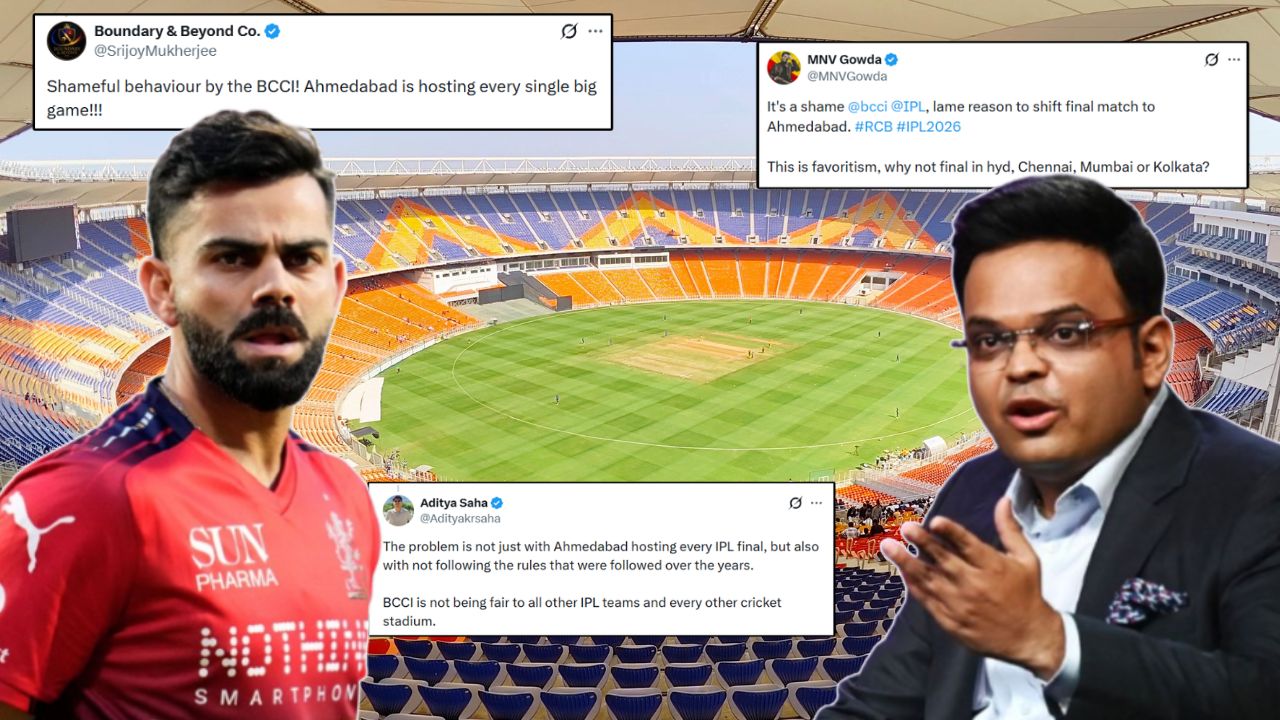
Traditionally, the IPL playoffs follow a long-standing convention where the defending champions and the runner-up from the previous season are granted the rights to host playoff matches. With Royal Challengers Bengaluru (RCB) securing the title in 2025, fans expected the M Chinnaswamy Stadium to be the stage for the 2026 final. However, the BCCI has opted to move the event to Ahmedabad, a decision that has left the passionate Bengaluru crowd feeling betrayed.
The shift is not merely logistical; it is deeply rooted in a series of administrative and political hurdles. Reports suggest that a significant factor was the demand for complimentary tickets by Karnataka MLAs, which spiraled into a public controversy involving the state government and the Karnataka State Cricket Association (KSCA).
The MLA Ticket Controversy Explained
The situation escalated when Karnataka Congress MLA Vijayanand Kashappanavar publicly demanded a quota of VIP tickets for legislators, arguing that they should not be subjected to the standard ticketing process. While Deputy Chief Minister DK Shivakumar attempted to broker a compromise offering three tickets per representative, the situation remained fraught with tension. Home Minister G. Parameshwara’s subsequent insistence on strict, non-transferable rules further complicated the matter, creating an environment that the BCCI likely deemed too volatile for such a high-profile event.
In an official statement reported by Cricbuzz, the BCCI remarked: “Bengaluru was originally designated to host the Final. However, owing to certain requirements from the local association and authorities that were beyond the scope of BCCI’s established guidelines and protocols, the venue has been shifted and reassigned.”
Strategic Considerations or Pure Bias?
Beyond the political friction, several operational factors likely influenced the BCCI’s decision. The Narendra Modi Stadium boasts a massive capacity of 132,000 spectators, vastly overshadowing the 40,000-seat capacity of the M Chinnaswamy Stadium. From a commercial standpoint, the potential for higher gate receipts and improved crowd control—especially after safety concerns following the 2025 celebrations in Bengaluru—makes Ahmedabad a more pragmatic choice for the league.
However, for the fans, this move represents a growing pattern where Ahmedabad is increasingly favored as the default home for major tournament finals. While the BCCI emphasizes logistical requirements, the perception of bias remains a stinging reality for supporters who feel that the spirit of the “home ground advantage” is being eroded by the board’s centralization of power.
Final Thoughts
The 2026 season of the IPL continues to provide as much drama off the field as it does on the pitch. Whether one views the shift as a necessary administrative measure or a disregard for tradition, the selection of the Narendra Modi Stadium ensures that the season will end under the lights of one of the world’s most massive and modern cricketing arenas. As we look ahead to May 31, the question remains: will the performance on the field be enough to silence the noise surrounding the venue, or will this controversy linger as a defining memory of the IPL 2026 season?