Delhi Capitals Ownership Shake-up: GMR Proposes Shift After IPL 2026 Struggles
A Season of Discontent for Delhi Capitals
The Delhi Capitals are currently navigating a turbulent period in the 2026 Indian Premier League. Once considered a promising contender, the franchise has plummeted into a deep slump, losing three of their last four matches. Most alarmingly, the team has struggled to protect its home turf at the Arun Jaitley Stadium, suffering consecutive defeats that have left fans and stakeholders searching for answers.
The Chennai Super Kings Clash: A Tactical Collapse
The recent encounter against the Chennai Super Kings on May 5 perfectly encapsulated the Capitals’ current woes. After captain Axar Patel won the toss and elected to bat, the top order disintegrated under pressure. The quick dismissals of Pathum Nissanka, KL Rahul, Nitish Rana, Karun Nair, and Axar Patel left the score at a dismal 69/5. While late-order contributions from Tristan Stubbs (38 off 31) and Sameer Rizvi (40* off 24) pushed the total to 155/7, it proved insufficient.
CSK’s chase was clinical, headlined by a match-winning 87* from Sanju Samson, who steered the visitors to an 8-wicket victory. The defeat has not only dented the team’s morale but has also sparked serious conversations regarding the franchise’s long-term management strategy.
Proposed Ownership Shifts: Seeking Stability
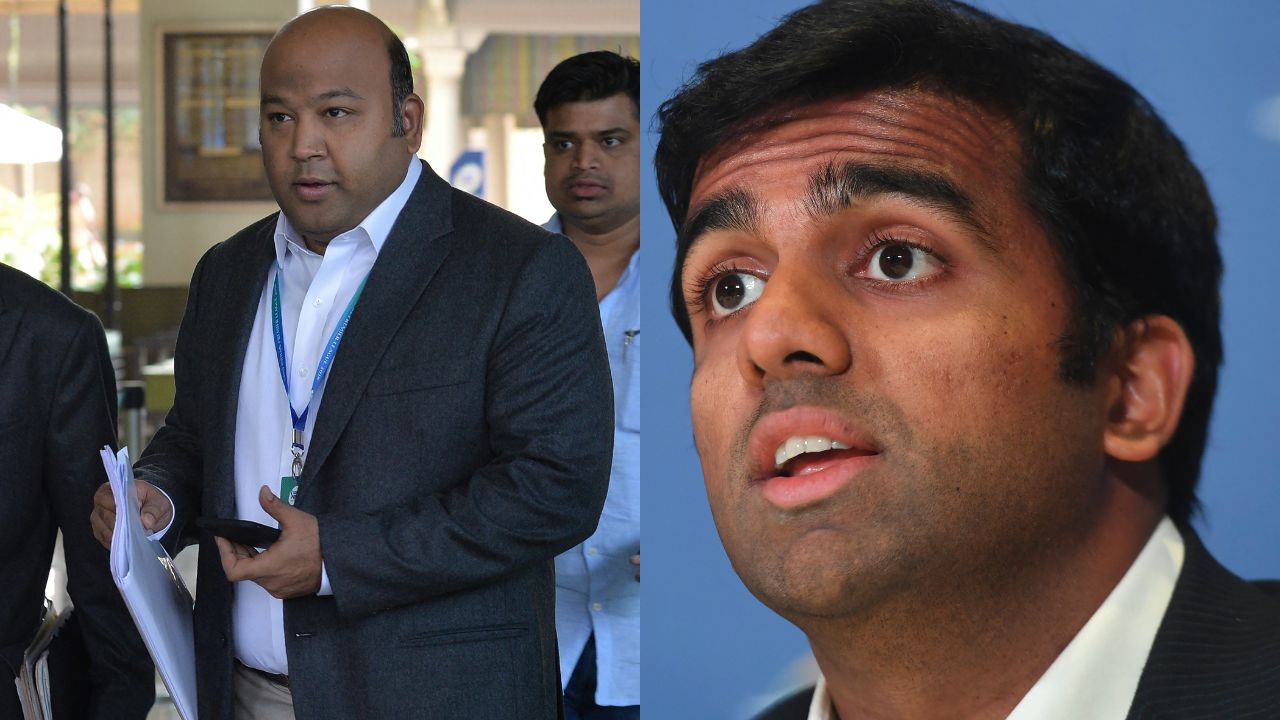
Delhi Capitals has long operated under a unique dual-ownership structure involving the GMR Group and Parth Jindal’s JSW Group. Currently, the operational control switches between the two entities every two years. However, reports now indicate that the GMR Group has proposed extending this tenure to a three-year cycle.
This shift is designed to align with the IPL’s own three-year cycle between mega auctions. Proponents of the change argue that a three-year term would allow owners to implement a more cohesive long-term vision, build teams with greater continuity, and provide stability to the coaching and support staff. The JSW Group is reportedly considering this proposal, with a final decision expected once the 2026 season concludes.
The Performance Pattern
The debate over ownership cycles is fueled by an intriguing historical trend. Observers have noted that the team’s performance often fluctuates depending on which group holds operational control. While it may be coincidental, the team has historically found more success in reaching knockout stages under the JSW Group’s tenure compared to periods managed by the GMR Group. This pattern has made the decision to extend the cycle all the more sensitive and strategically significant.
Playoff Aspirations Hanging by a Thread
With 10 games played and only 4 wins to their name, the Capitals find themselves in a precarious position with just 8 points. Their Net Run Rate (NRR) is among the poorest in the league, effectively turning every remaining game into a must-win scenario. As the playoffs loom, the mathematical possibilities for qualification are rapidly shrinking.
For a franchise that remains one of the original eight teams yet to secure an IPL trophy, the stakes have never been higher. Whether the proposed three-year management cycle can provide the stability needed to transform the Delhi Capitals into consistent winners remains to be seen. For now, the focus must shift to the remaining fixtures, where the team hopes to salvage some pride from a season that has gone off the rails.
Looking Ahead
The management at Delhi Capitals understands that structural changes alone cannot guarantee success; player recruitment, tactical execution, and consistent team selection are equally vital. As the 2026 season nears its conclusion, the internal deliberations between GMR and JSW will be just as closely watched as the action on the pitch. The goal is clear: bring an end to the cycle of inconsistency that has plagued the franchise for years and finally build a team worthy of an IPL title.