IPL 2026: Arun Dhumal Addresses Social Media Restrictions and Player Conduct
The Changing Landscape of IPL Professionalism
The Indian Premier League (IPL) has long been a spectacle of cricketing excellence, but the 2026 edition has brought with it an unprecedented wave of scrutiny regarding player behavior and digital presence. As controversies mounted throughout the tournament—ranging from dressing room incidents to viral social media disputes—the Board of Control for Cricket in India (BCCI) found it necessary to intervene. IPL Chairman Arun Dhumal recently addressed these concerns, providing much-needed clarity on the board’s evolving stance regarding social media and team discipline.
The BCCI Advisory: A Necessary Reminder
During the mid-season of the 2026 IPL, the BCCI issued a comprehensive seven-page advisory to all franchises. This document served as a stern reminder of the standards expected from professional athletes in one of the world’s most high-profile sports leagues. The advisory covered various operational protocols, including travel restrictions for players’ partners, potential security risks such as honey-trapping, and the limitation of ‘reel culture’ and vlogging during team hours.
The move followed a series of high-profile lapses in judgment. From Rajasthan Royals’ team management using phones in the dugout to Riyan Parag being spotted with an e-cigarette in the dressing room, the incidents highlighted a growing laxity in professional discipline. Furthermore, teams like the Punjab Kings faced internal turmoil, with players like Arshdeep Singh coming under fire for social media activity, including controversial remarks that drew public backlash.
Arun Dhumal on Integrity and Digital Presence
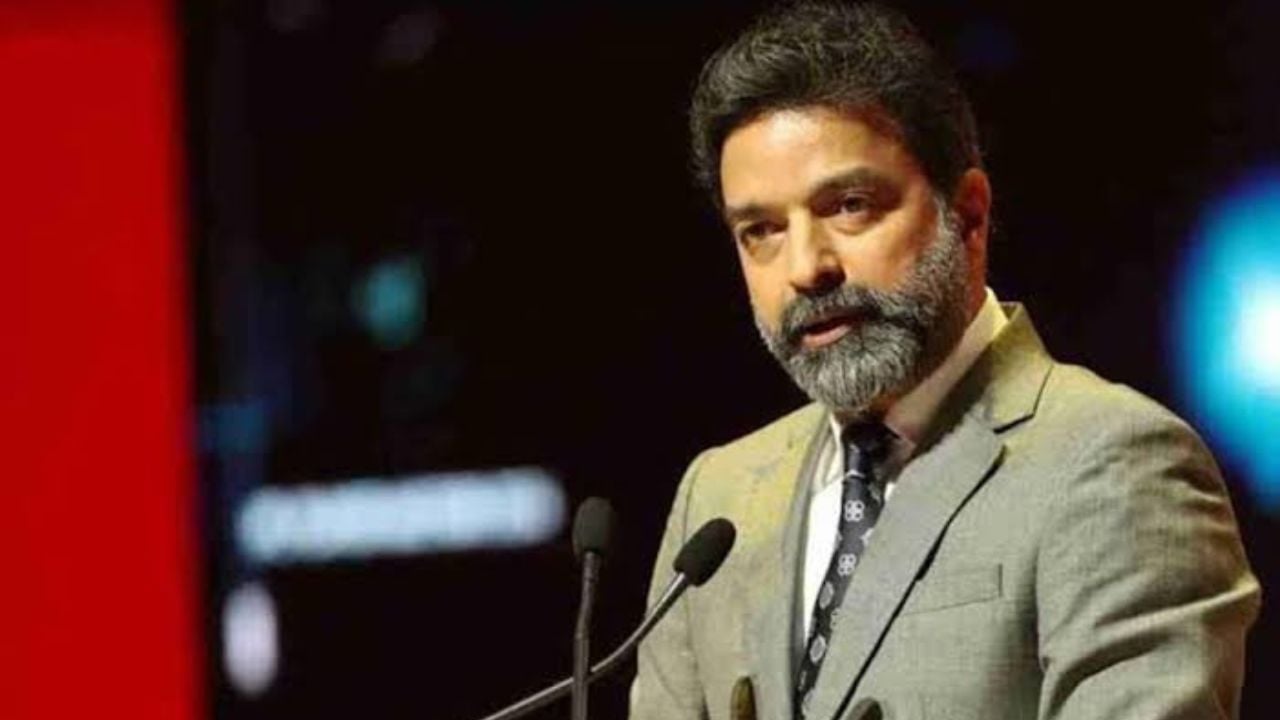
Speaking to the media at the HPCA Stadium in Dharamsala, Arun Dhumal emphasized that the primary goal of the BCCI’s directive is not to police the personal lives of players, but to safeguard the game’s integrity. Dhumal noted that the advisory was essentially a reinforcement of existing standards rather than an overhaul of established policy.
“Whatever we need to do in terms of keeping the integrity of the game intact, we do our level best,” Dhumal remarked. He acknowledged that the media often amplifies these incidents beyond their actual significance, urging observers to take social media narratives with a “pinch of salt.” According to the IPL Chairman, the franchises are fully aware of their responsibilities, and maintaining the quality and reputation of the tournament is a collective effort between the board and the team owners.
Is a Social Media Ban Imminent?
One of the most pressing questions for fans and critics alike has been whether the BCCI plans to implement a total ban on social media usage for players during the tournament. Dhumal’s perspective on the digital realm is notably critical. He famously described social media as “the most anti-social thing,” suggesting that the modern obsession with digital validation often comes at the expense of genuine human connection and professional focus.
However, when asked if a hard policy banning social media usage would be enacted, Dhumal expressed a more philosophical outlook. He believes that the novelty of these platforms will eventually subside as players and the public alike recognize the value of traditional human interaction. “People will eventually understand,” he said. “It is the real human values and human relationships that matter. In an era of intense technological intervention, core human values remain the most premium asset.”
Moving Forward: Balancing Freedom and Responsibility
The message from the IPL leadership is clear: while the board respects the autonomy of its athletes, the “reel culture” and unregulated online activity that characterized earlier parts of the 2026 season will not be tolerated if they jeopardize the game’s reputation. The BCCI intends to maintain a delicate balance—allowing players their personal space while ensuring that the professionalism required of an IPL representative is never compromised.
As the tournament progresses, the focus is expected to shift back to the field. With franchises now under closer watch and the standards of conduct clearly reiterated, the goal remains to ensure that the IPL continues to be defined by its sporting achievements rather than its digital drama. For the players, the challenge lies in navigating their public personas while adhering to the core values that make the IPL the premier cricketing league in the world.