IPL 2026 Suspension? PM Modi Government Receives Crisis Demand
Contents
Political Tensions Rise Over IPL 2026 Schedule
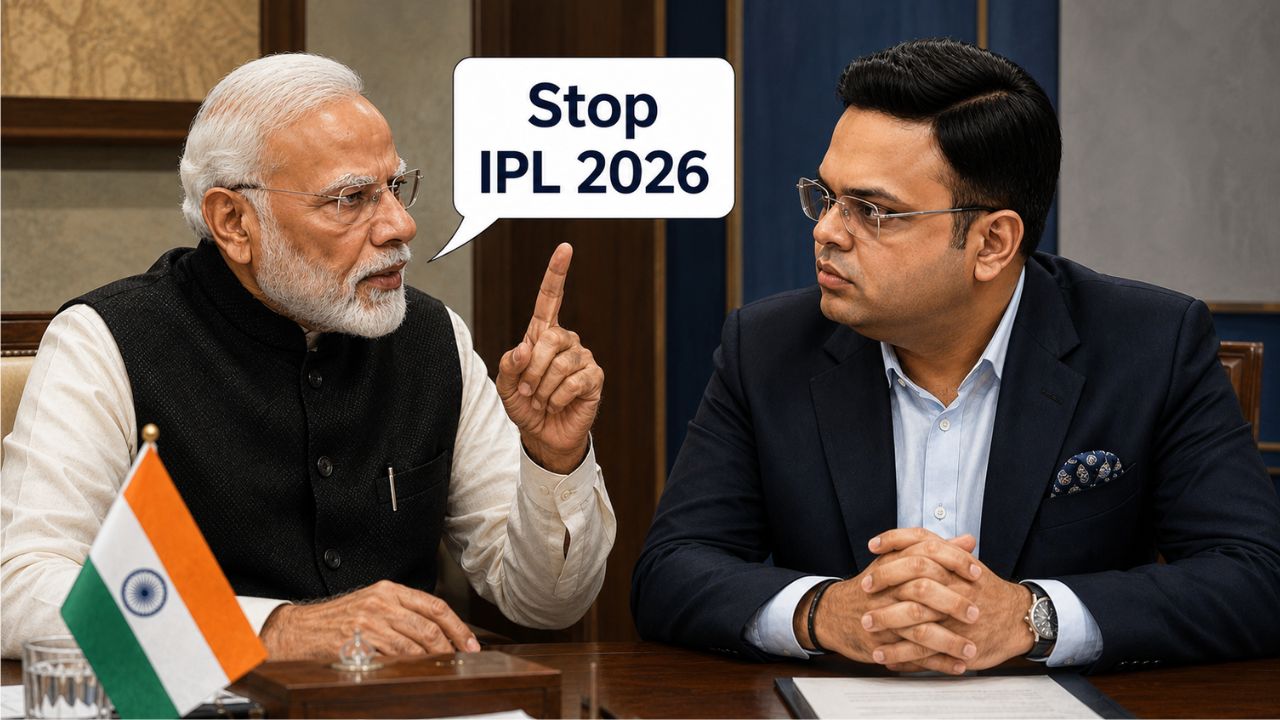
The Indian Premier League (IPL) 2026 season, which has been captivating fans since its commencement on March 28, is now facing an unexpected challenge. As the tournament enters its critical business end, the Indian government has received a formal demand to suspend the remainder of the season. This call for suspension is not rooted in the sport itself but in the escalating geopolitical conflict in West Asia and its subsequent impact on India’s economic stability.
For the first two months of the competition, the IPL 2026 season proceeded without major incident. However, the backdrop of the tournament has been shadowed by the intensifying armed conflict between Iran and the United States. While the BCCI and franchise owners have focused on the action on the field, the external reality of global instability has finally reached the doors of the Prime Minister’s Office.
The Call for Immediate Suspension
Former Chhattisgarh Chief Minister and senior Congress leader Bhupesh Baghel has emerged as a primary voice in this movement, urging Prime Minister Narendra Modi to intervene. Baghel’s argument centers on the necessity of national conservation during a period of potential global crisis. He has specifically cited the ongoing tensions between the US and Iran as a catalyst for a possible fuel shortage that could affect the entire nation.
Baghel’s proposal is multifaceted. He argues that stopping the IPL would result in a significant reduction in large-scale travel across the country. With ten teams moving between various cities and thousands of fans traveling to stadiums, the logistics of the IPL involve a massive consumption of fuel. Furthermore, Baghel suggested that a suspension would limit foreign currency outflows—specifically the high-value payments made to overseas cricketers—and curb the pervasive betting activity that surrounds the tournament.
“Prime Minister, please stop the IPL immediately. Betting will also stop,” Baghel stated, highlighting the social and economic dimensions of his demand. While the statement has strong political undertones, it reflects a growing concern regarding the prioritization of entertainment over resource management during a period of international volatility.
Context of the Fuel Crisis
The timing of this demand is particularly sensitive as PM Narendra Modi has recently advised Indian citizens to adopt more sustainable lifestyles and use fuel judiciously. The Prime Minister has led by example, reportedly shortening his own official convoys to demonstrate the need for fuel conservation as tensions in the Middle East show no signs of easing. This move coincided with a nationwide increase in fuel prices, which recently rose by 3 rupees per liter.
The logistics of IPL 2026 are indeed immense. Managing ten franchises across multiple venues requires a constant stream of domestic flights, team buses, and infrastructure support, all of which contribute to peak fuel consumption. From this perspective, the concerns raised by political leaders regarding the tournament’s carbon and resource footprint carry significant weight. However, with only two weeks remaining in the schedule, the financial implications of a sudden halt would be catastrophic for the BCCI, the broadcasters, and the various stakeholders involved.
Final Venue Controversy: From Bengaluru to Ahmedabad
While the debate over suspension continues, the BCCI has been busy finalizing the logistics for the knockout stages. In a major development, the IPL 2026 final has been officially moved to the Narendra Modi Stadium in Ahmedabad, scheduled for May 31. This decision has not been without its own share of controversy.
Originally, the M. Chinnaswamy Stadium in Bengaluru was expected to host the grand finale, as the Royal Challengers Bengaluru (RCB) entered the season as the defending champions. However, the hosting rights were revoked following a scandal involving the Karnataka State Cricket Association (KSCA). Investigations revealed that the association had allegedly arranged a large block of free tickets specifically for Karnataka MLAs, a move that was seen as a direct violation of BCCI and IPL policies. To protect the integrity of the tournament and ensure fair access for common fans, the board relocated the final to Ahmedabad.
The Road to the Final
Despite the calls for suspension, the knockout schedule remains in place. Cricket fans can look forward to a series of high-stakes matches across various iconic venues:
- Qualifier 1: Scheduled for May 26 at the scenic stadium in Dharamsala.
- Eliminator: Set to take place in Mullanpur, Chandigarh, on May 27.
- Qualifier 2: Also hosted in Mullanpur on May 29.
- Grand Final: The culmination of the season on May 31 at the Narendra Modi Stadium, Ahmedabad.
As of now, there has been no official indication from the Indian government, the BCCI, or IPL authorities that the tournament will be paused. The ruling BJP has also refrained from making an official response to Bhupesh Baghel’s demands. For now, the focus remains on the pitch, even as the shadow of global conflict and economic necessity looms over the stadium lights.