IPL Final Venues History: Every Stadium to Host the Trophy Clash (2008-2026)
The Road to the IPL 2026 Final
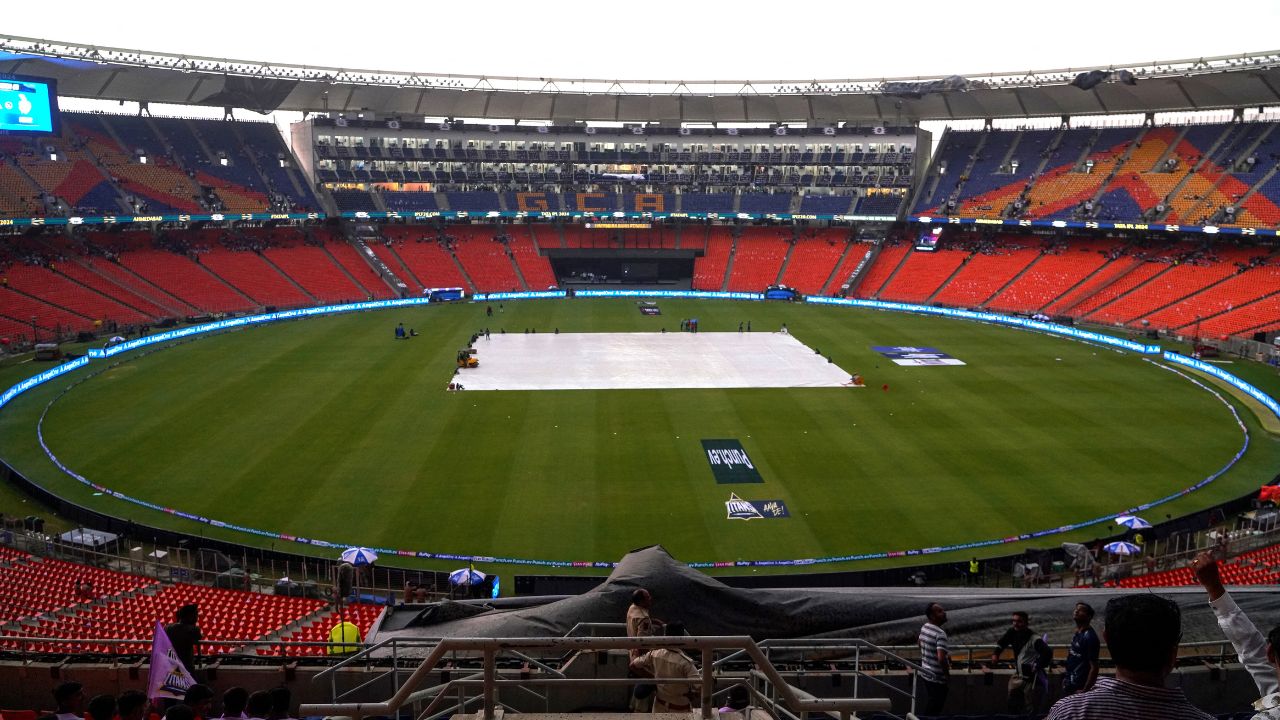
The Indian Premier League (IPL) 2026 is hurtling toward its dramatic conclusion. With all 10 franchises pushing for a coveted spot in the playoffs, the excitement is palpable. In a landmark announcement on May 6, 2026, the Board of Control for Cricket in India (BCCI) confirmed that the Narendra Modi Stadium in Ahmedabad will serve as the battleground for the championship trophy. This decision underscores a departure from the traditional practice where the defending champions would host the final, cementing Ahmedabad’s status as the primary hub for marquee cricket events.
Narendra Modi Stadium: A New Fortress for the Final
With a staggering seating capacity of 132,000, the Narendra Modi Stadium has quickly become the crown jewel of world cricket. Since its unveiling in 2020, the venue has hosted three IPL finals, and with the 2026 edition, it will reach an unprecedented tally of four. The BCCI’s preference for this location is clear: it maximizes revenue, guarantees massive crowd attendance, and creates an unparalleled, electric atmosphere that is fitting for the culmination of the world’s premier T20 tournament.
A Walk Down Memory Lane: The First-Ever Final
The journey began in 2008, a year that changed the landscape of global cricket forever. The inaugural IPL final was held at the DY Patil Stadium in Navi Mumbai, Maharashtra. While many expected the iconic Wankhede Stadium to host the event, former BCCI president Sharad Pawar noted that the match was shifted to DY Patil specifically due to its superior seating capacity. That historic clash saw Shane Warne’s Rajasthan Royals edge out MS Dhoni’s Chennai Super Kings in a thrilling encounter, setting the tone for nearly two decades of high-octane cricket.
Which Stadiums Have Hosted the Most Finals?
Over the years, several iconic venues have had the privilege of hosting the IPL final. While stadiums like the M.A. Chidambaram Stadium (Chepauk) hold a special place in the hearts of fans—partly due to Chennai Super Kings’ memorable 2011 title win on home soil—and the Eden Gardens in Kolkata has hosted two finals (2013 and 2015), no venue has matched the consistency of Ahmedabad.
The shift toward larger, more modern arenas reflects the growth of the IPL brand. Historically, the league has rotated between the traditional homes of Indian cricket, such as Wankhede and Eden Gardens, and occasionally adapted to the challenges of the COVID-19 pandemic, which saw the tournament move to neutral or makeshift hubs. However, the data confirms that Ahmedabad is now firmly established as the most frequent host of the IPL final.
The Evolution of the IPL Venue Selection
The selection process for an IPL final venue has become increasingly strategic. The criteria involve more than just the quality of the pitch; it now encompasses logistical capability, global broadcasting requirements, and the ability to accommodate hundreds of thousands of fans over the course of a tournament week. As we look ahead to the May 31, 2026, final, the focus remains on whether a new champion will be crowned or if a dynasty will continue its dominance.
- 2008 Final: DY Patil Stadium, Navi Mumbai
- Subsequent Years: Various iconic venues across India
- 2026 Final: Narendra Modi Stadium, Ahmedabad
As the countdown to the 19th IPL title intensifies, all eyes are locked on Gujarat. The Narendra Modi Stadium is ready to once again transform into the center of the cricketing universe, hosting the final clash that will determine who writes their name into the history books for 2026.