Litton Das Opens Up on ODI Struggles and Mirpur Pitch Challenges
Contents
The Enigma of Litton Das: Talent vs. Statistics
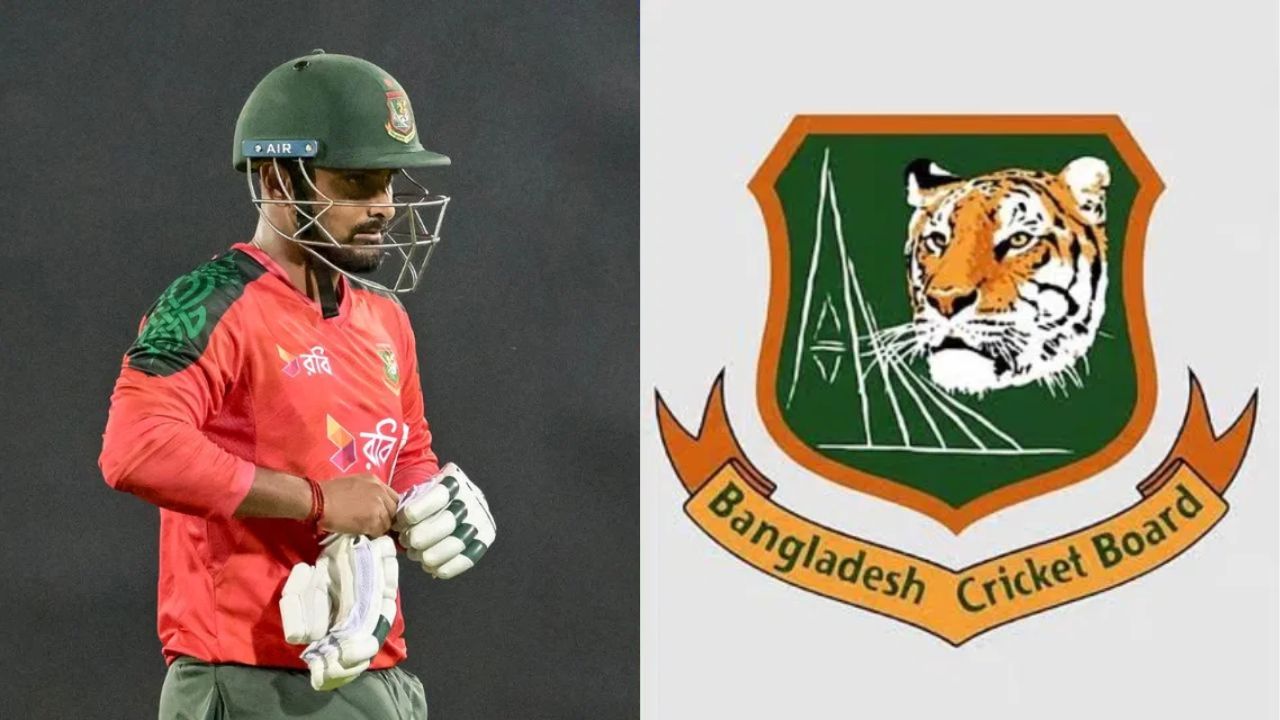
Litton Das has long been recognized as one of the most naturally gifted batters in Bangladesh’s cricketing history. With silken timing and an effortless flair for stroke-making, he possesses the rare ability to make elite international bowlers look pedestrian on his best days. However, for many observers, a persistent gap remains between his undeniable aesthetic talent and his actual ODI statistics. With an average currently hovering just above 30, the numbers do not always reflect the quality of the player.
In a recent, brutally honest assessment, the Bangladesh T20I captain addressed this discrepancy directly. He acknowledged that his career record has been heavily influenced by the conditions he has frequented throughout his development as an international cricketer.
The Mirpur Factor: A Batter’s Nightmare
At the heart of Litton’s critique is the Sher-e-Bangla National Cricket Stadium in Mirpur. For years, the venue has gained a reputation for being a graveyard for batters, featuring surfaces that prioritized spin and low bounce over free-flowing stroke play. Litton believes these conditions were fundamentally detrimental to his growth as an ODI batter.
“If I hadn’t played so many matches at Sher-e-Bangla, my average and strike rate wouldn’t be this low,” Litton admitted. He emphasized that the difficulty of the venue was not a personal struggle but a collective one, noting that “many world-class batters came here and struggled.” In an era where 250 was often a winning total in ODIs at the venue, the margin for error for a top-order batter was razor-thin, leaving little room for the fluidity that defines Litton’s game.
Defining a Standard of Excellence
Litton Das is not one to hide behind excuses, but he is also clear about where he believes his standards should lie. When asked about his current average, he offered a candid perspective on the expectations placed upon international cricketers.
“There’s nothing to be proud of with a 30 average in ODIs,” he stated. He further conceded that while these numbers might be accepted within the domestic landscape, they would be viewed as insufficient for a player representing a major cricketing nation. This admission highlights a mature understanding of his own potential and the benchmarks he aspires to reach.
A Brighter Future on Better Wickets
The narrative surrounding Bangladesh’s home conditions is finally beginning to shift. Litton expressed optimism regarding the recent changes to the pitch preparation at home venues. He believes that by moving away from excessively spin-friendly, low-scoring tracks, the board is providing a platform for the next generation of Bangladeshi talent to flourish.
“The wickets have become much better lately. If conditions stay like this for another five or six years, it will help a lot,” Litton said. The shift toward more balanced, batting-friendly surfaces is expected to significantly boost the performance metrics of the entire batting lineup, allowing for higher strike rates and more consistent averages.
Looking Ahead: The Path to 45
Despite the challenges of his early career, Litton has set clear, ambitious goals for himself. He remains committed to elevating his career trajectory, aiming to finish his ODI tenure with an average between 40 and 45. He recognizes that while the team often secured victories on difficult pitches, that success arguably masked the long-term impact those conditions had on the individual records of the batters involved.
Litton, who identifies first and foremost as a batter despite his duties behind the stumps, is eager for his statistics in both Test and ODI formats to finally mirror his ability. As Bangladesh continues to experiment with improved pitches, the stage is set for Litton to prove that his true ceiling is much higher than his current numbers suggest. For a player of his caliber, the coming years represent a vital opportunity to align his career record with his immense natural talent.