Mushfiqur Rahim Faces ICC Probe After Outburst in Bangladesh vs Pakistan Test
A Moment of Frustration for a Bangladesh Stalwart
In the high-stakes environment of international Test cricket, emotions often run high. During the second Test match between Bangladesh and Pakistan, veteran wicket-keeper batsman Mushfiqur Rahim found himself at the center of controversy after a significant lapse in judgment. Despite playing a masterful innings, the experienced campaigner faced backlash for his post-dismissal reaction.
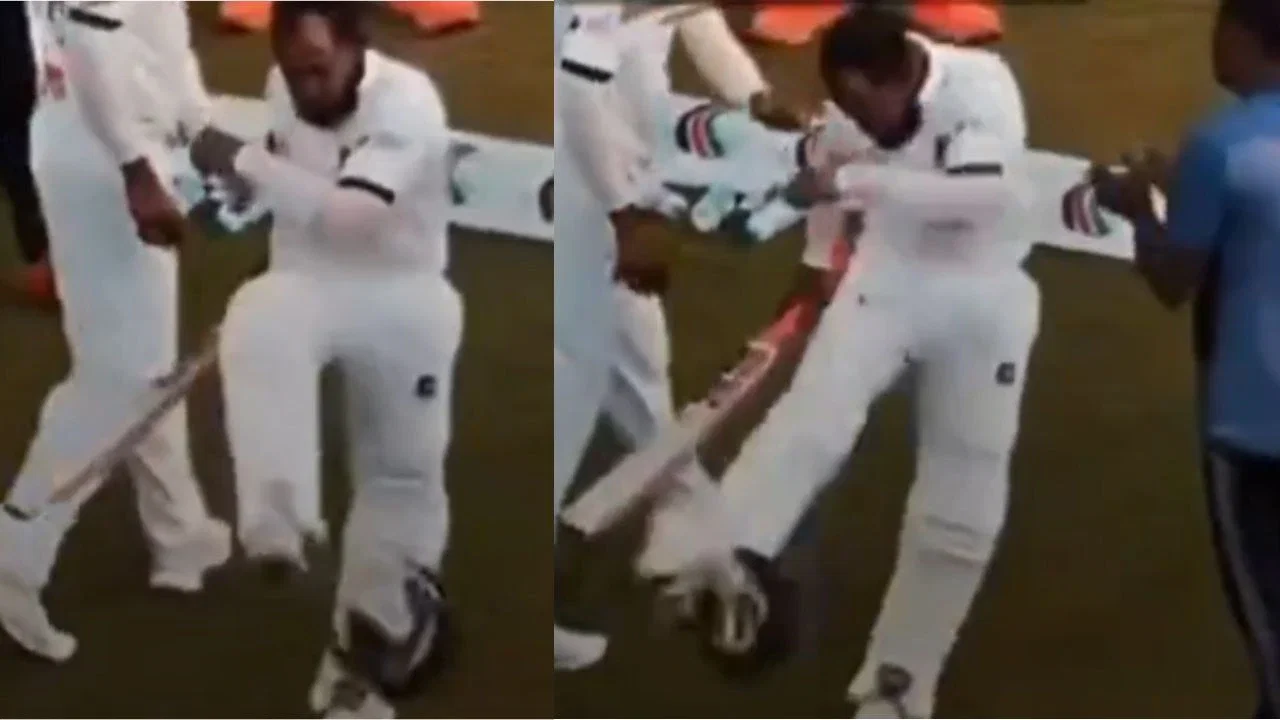
Rahim, who has been a pillar of the Bangladesh lineup for over a decade, delivered a commendable performance with the bat. However, upon returning to the dugout after being dismissed by Pakistan spinner Sajid Khan, his frustration boiled over. Failing to reach a well-deserved 150-run milestone, Rahim was seen kicking his helmet, an act that notably ignored the applause and support from his teammates and coaching staff. This public display of anger has now placed him under the microscope of the International Cricket Council (ICC).
The ICC Code of Conduct Breach
The incident has brought focus to Article 2.2 of the ICC Code of Conduct for Players and Player Support Personnel. This specific regulation pertains to the ‘abuse of cricket equipment or clothing, ground equipment, or fixtures and fittings during an International Match.’ The rule is designed to maintain the decorum and professional standards of the sport.
The regulation strictly prohibits actions such as kicking wickets, throwing bats, or damaging equipment. As this is widely categorized as a Level 1 offense, Rahim faces potential disciplinary action. Consequences typically involve an official reprimand, a fine of up to 50% of his match fee, and the addition of one or two demerit points to his disciplinary record. Such penalties serve as a reminder that even the most seasoned veterans are expected to uphold the spirit of the game regardless of their personal frustrations.
Context of the Second Test
The incident occurred during a pivotal moment in the match. Following a historic victory in the first Test, which saw Bangladesh climb significantly in the World Test Championship (WTC) points table, the team entered the second Test with high momentum. Their bowling attack, spearheaded by the impressive Nahid Rana, continued to pressure the Pakistani batting lineup throughout the fixture.
Bangladesh managed to set an imposing 437-run target for Pakistan. The foundation for this lead was built on solid contributions from the top and middle order. Litton Das provided a rescue act in the first innings with a spectacular century, while Mushfiqur Rahim’s own 137-run contribution in the second innings was instrumental in putting Bangladesh in a commanding position. His skill remains vital to the team’s ongoing success in the red-ball format, making his recent conduct particularly disappointing for fans and officials alike.
Pakistan’s Struggles and Match Dynamics
On the other side of the pitch, the Pakistani batting unit has faced a stern test against the disciplined Bangladeshi bowling attack. While skipper Shan Masood showed brief flashes of form and Babar Azam looked composed during his 47-run knock, the team has struggled to build substantial partnerships. Nahid Rana’s breakthrough spells have consistently dismantled the Pakistani top order, leaving the team struggling to reach half the target with the majority of their lineup back in the dressing room.
As the match progressed, the focus shifted from the tactical battle to the aftermath of Rahim’s emotional outburst. While the team remains in a strong position, the disciplinary cloud hanging over their veteran batsman serves as a somber note in an otherwise impressive performance for Bangladesh. The cricketing world now awaits the official ruling from the match officials regarding the extent of the sanctions to be imposed on the Bangladesh veteran.
For a player of Rahim’s stature, whose contributions to Bangladesh cricket have been immense and long-lasting, this incident is undoubtedly a blemish on his record. Whether this leads to a formal suspension or a lighter reprimand remains to be seen, but it serves as a stark reminder of the intense pressure faced by athletes at the pinnacle of the sport.