“Selection should never be about what’s best for Virat, Rohit or Bumrah” – Sanjay Manjrekar Sends Strong Message
The Ongoing Debate Over Indian Cricket Squad Selection
The announcement of the Indian squad for the upcoming ODI series against England has once again ignited a fierce debate regarding team selection policies. At the heart of the controversy is a recurring question that has plagued Indian cricket for years: should reputation and past achievements take precedence over current form and future planning? While seasoned stars like Rohit Sharma remain central to the setup, the decision to leave out in-form youngsters has drawn sharp criticism from experts and fans alike.
The Yashasvi Jaiswal Conundrum
Among those questioning the current selection process is former Indian batter Sanjay Manjrekar. He specifically highlighted the situation of Yashasvi Jaiswal, a young left-handed opener who has demonstrated exceptional promise in the 50-over format. Despite scoring two centuries in his last three ODI innings, Jaiswal finds himself constantly on the periphery, struggling to cement a regular spot in the playing eleven. Manjrekar labeled this treatment as “unfortunate and a bit harsh,” noting that the youngster has maximized every opportunity granted to him by the selectors.
For many observers, Jaiswal represents the future of Indian batting, yet his intermittent presence in the squad suggests a lack of long-term vision. As Manjrekar pointed out, any opening batter in such a high-caliber side is bound to get chances, and Jaiswal has proven his worth repeatedly with the bat.
Prioritizing the Team Over Big Names
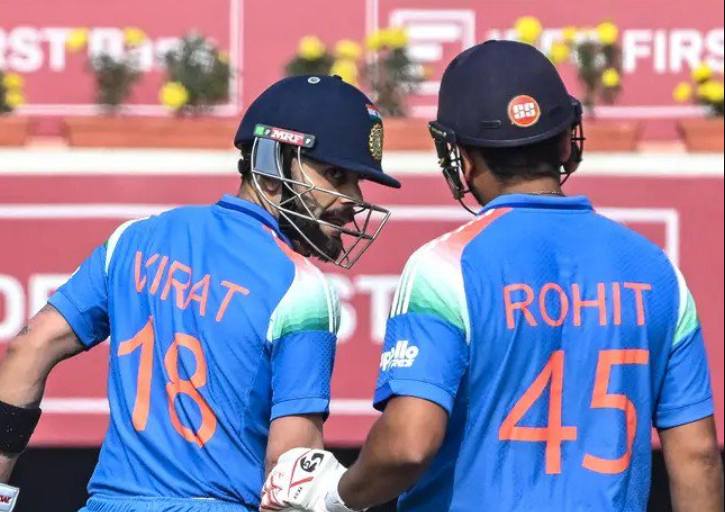
The core of Manjrekar’s critique lies in the philosophy governing the BCCI selection committee. He emphasized that the culture surrounding superstar players often clouds objective decision-making. According to him, “Selection should never be about what’s best for Virat, Rohit or Bumrah.” Instead, the focus must remain squarely on the long-term health and success of the national team.
Manjrekar clarified that he does not inherently oppose the inclusion of veterans like Rohit Sharma, provided there is a clear roadmap. He argued that if the selectors are backing senior players, it must be because they have a genuine, articulated plan for the 2027 ODI World Cup. If, however, these selections are merely a result of hesitation to move past established names, it signals a systemic issue that has hampered Indian cricket for years.
Building for the Future
The challenge of balancing the experience of stalwarts like Virat Kohli, Rohit Sharma, and Jasprit Bumrah with the hunger of emerging talent is one that every major cricketing nation faces. However, in the context of Indian cricket, the pressure to maintain current success often clashes with the necessity of transition. Manjrekar’s comments serve as a reminder that merit must be the ultimate currency. Without a shift toward performance-based selection, the team risks stagnation.
Nurturing Young Talent: The Case of Vaibhav Suryavanshi
Beyond the senior squad, Manjrekar also weighed in on the development of younger players within the system. He discussed 15-year-old talent Vaibhav Suryavanshi, who is slated to tour Ireland and England. Addressing a recent on-field altercation involving the youngster during an India A tour, Manjrekar offered a pragmatic view. He suggested that such experiences, while controversial, are part of a cricketer’s growth curve. He described Suryavanshi as an aware and mature individual who will learn to navigate professional pressures more effectively as he gains exposure at the international level.
Final Thoughts
The debate sparked by Sanjay Manjrekar is unlikely to die down quickly. As the team moves forward, the pressure on the BCCI to clarify its vision for the 2027 World Cup will only increase. Whether the selectors choose to prioritize the legendary status of current stars or pave the way for the next generation remains to be seen. One thing is certain: for Indian cricket to thrive, the selection criteria must favor the collective good over the individual reputation of any single player, regardless of how iconic they may be.