Sri Lanka Cricket Appoints Transformation Committee: Sangakkara & Mahanama Join
A New Dawn for Sri Lanka Cricket: The Transformation Committee Takes Charge
Sri Lanka Cricket (SLC) is entering a period of drastic transition following the government’s decision to oust previous office bearers on Wednesday. In their place, a nine-member Transformation Committee has been appointed to steer the organization away from a legacy of mismanagement and toward a future of professional excellence. This move comes amid mounting public frustration and a desperate need for structural reform within the governing body.
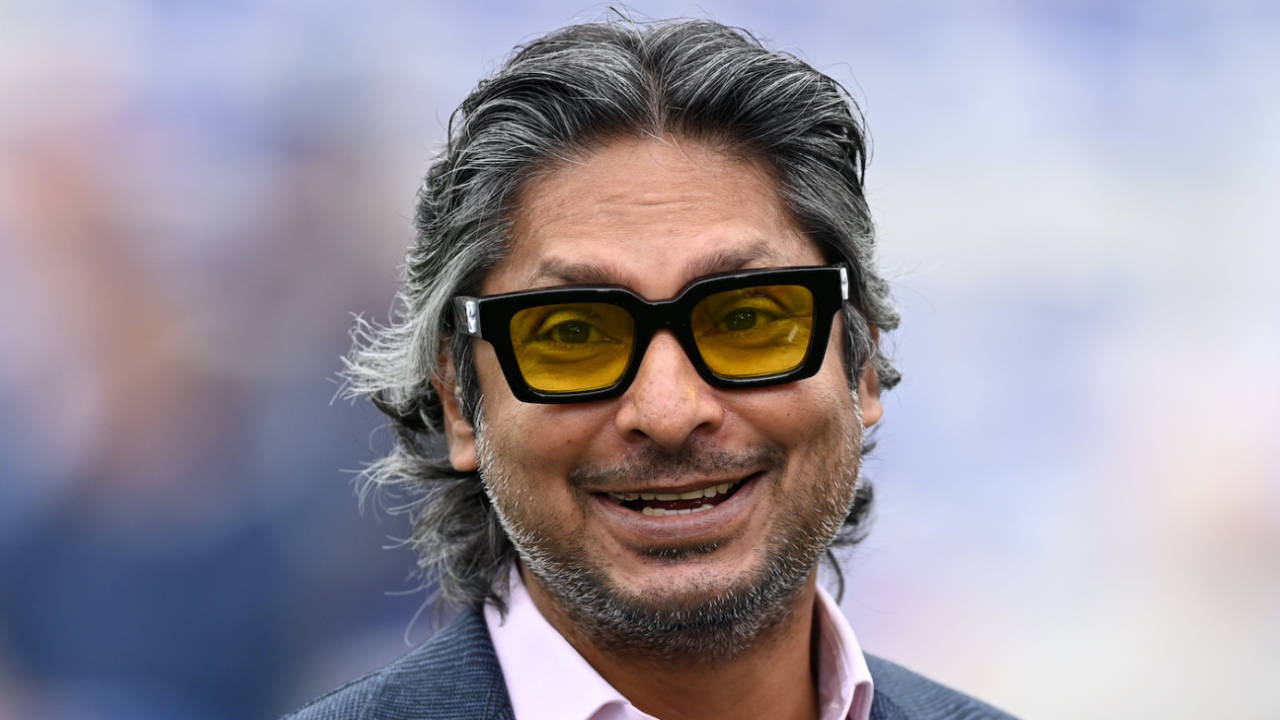
The committee is a strategic blend of sporting royalty and corporate expertise. Most notably, Kumar Sangakkara, one of the most respected figures in world cricket, has been appointed as a member. He is joined by fellow cricketing icons Roshan Mahanama and Sidath Wettimuny, ensuring that the technical and sporting needs of the game are represented at the highest level of administration.
Leadership and Composition
Leading this ambitious endeavor is Eran Wickramaratne, a corporate figure and former Member of Parliament. In a significant move to ensure the committee’s independence and neutrality, Wickramaratne—who hails from the main opposition party, Samagi Jana Balawegaya—has reportedly stepped down from his political positions within his party to assume this role. He is not a current member of parliament, which may serve as a critical buffer against accusations of direct political interference.
“I am privileged to lead a nine-member committee of individuals with impeccable integrity and expertise,” Wickramaratne stated, signaling a commitment to transparency and professional rigor.
Two Pillars of Reform: Governance and Performance
The Transformation Committee has outlined a clear, two-pronged strategy to revitalize Sri Lankan cricket. The first and most immediate priority is a total overhaul of the governance framework at SLC. For years, the existing SLC constitution has been widely criticized as archaic and counter-productive. Critics argue that the old framework granted excessive power to non-performing or non-existent cricketing bodies, creating a breeding ground for corruption, inefficiency, and mismanagement.
To address this, the committee intends to implement a new, robust, and modern constitution. The inclusion of legal experts Dinal Phillips and Upul Kumarapperuma suggests that the drafting of this new legal foundation will be a primary focus, aiming to eliminate the loopholes that allowed previous administrations to operate without accountability.
The second pillar of the strategy is ensuring “excellence on the field.” Wickramaratne emphasized that the committee will focus on establishing world-class facilities, modern incentive models, and the necessary support structures to empower national teams. The ultimate goal is to elevate Sri Lanka back to the top tier of international rankings, ending a period of stagnation that has plagued both the men’s and women’s senior teams.
Addressing Systemic Dysfunction
The urgency for this change became undeniable following Sri Lanka’s poor showing at the T20 Men’s World Cup, which the country co-hosted in February and March. Public pressure reached a breaking point regarding the tenure of the ousted president, Shammi Silva. The fact that Silva had won the presidency uncontested on three successive occasions—despite the senior teams failing to reach the knockout stages of major ICC tournaments since 2014—was viewed by many as the ultimate symptom of SLC’s systemic dysfunction.
The ICC Tightrope: Navigating Political Interference
While the domestic changes are welcomed, the Transformation Committee must navigate a treacherous relationship with the International Cricket Council (ICC). The ICC has historically taken a very harsh view of government interference in cricket governance. In 2023, the ICC suspended Sri Lanka Cricket due to alleged political interference, and in 2015, a similar government-led replacement of the board resulted in SLC being reduced to observer status and its funds being held in escrow.
The appointment of an opposition politician like Wickramaratne, rather than a government insider, is a calculated move to signal independence. Wickramaratne has explicitly stated that the committee is “committed to absolute compliance with International Cricket Council regulations,” while simultaneously embedding professionalism and anti-corruption measures into the organization’s DNA.
The Full Committee Roster
The Transformation Committee brings together a diverse array of backgrounds to ensure a holistic approach to the sport’s recovery:
- Eran Wickramaratne (Chair – Politics/Corporate)
- Roshan Mahanama (Cricket/Corporate)
- Kumar Sangakkara (Cricket/Business)
- Sidath Wettimuny (Cricket/Corporate)
- Prakash Schaffter (Corporate/Cricket)
- Avanthi Colombage (Corporate – the sole female representative)
- Thushira Radella (Corporate)
- Upul Kumarapperuma (Law/Politics)
- Dinal Phillips (Law)
With a combination of legal brilliance, corporate strategy, and legendary cricketing experience, the Transformation Committee faces the monumental task of rebuilding Sri Lanka Cricket from the ground up.